

Introduction:
Meningitis is a serious medical condition characterized by the inflammation of the protective membranes covering the brain and spinal cord. This inflammation can be caused by various pathogens, including bacteria, viruses, and fungi. One of the most critical aspects of diagnosing meningitis is recognizing its symptoms early, particularly the rash that can accompany certain types of bacterial meningitis. Understanding what a meningitis rash looks like can be vital in ensuring timely medical intervention, which can significantly affect outcomes.
Understanding Meningitis: An Overview of Symptoms and Signs
Meningitis presents with a range of symptoms that can develop rapidly. Common initial signs include fever, headache, and a stiff neck. These symptoms may be accompanied by nausea, vomiting, sensitivity to light, and altered mental status. In children, symptoms may manifest differently, often including irritability, poor feeding, and a bulging fontanelle in infants. The rapid progression of these symptoms necessitates immediate medical evaluation.
In addition to the classic triad of fever, headache, and neck stiffness, other systemic symptoms may arise. Patients may experience chills, seizures, or a rash. The presence of a rash can be particularly concerning, especially in cases of bacterial meningitis caused by Neisseria meningitidis. This organism is notorious for causing meningococcal disease, which can lead to severe complications and death if not treated promptly.
The clinical presentation of meningitis can vary based on the causative agent. Viral meningitis tends to be less severe and often resolves without specific treatment, while bacterial meningitis is considered a medical emergency. Understanding the differences in symptoms is crucial for healthcare providers and caregivers alike, as it can guide appropriate actions and interventions.
Awareness of the potential for a meningitis rash is essential, as it can serve as a visual cue for the severity of the illness. Recognizing this rash early can lead to quicker diagnosis and treatment, which is vital in reducing the risk of serious complications such as septic shock or long-term neurological damage.
The Importance of Recognizing a Meningitis Rash Early
Timely recognition of a meningitis rash is paramount in the management of the disease. The rash associated with meningococcal meningitis is often petechial or purpuric, indicating bleeding under the skin. These small, red or purple spots may not blanch when pressed, which is a key characteristic that differentiates them from other rashes. This non-blanching feature is a critical sign that warrants immediate medical attention.
Early identification of the rash can prompt healthcare providers to initiate appropriate diagnostic tests, such as a lumbar puncture, to confirm the diagnosis of meningitis. Additionally, recognizing the rash can lead to the timely administration of antibiotics, which are crucial in treating bacterial meningitis effectively. The sooner treatment is initiated, the better the chances of a favorable outcome.
In some cases, the rash may evolve, becoming larger and more widespread, indicating a worsening of the patient’s condition. This progression can serve as a warning sign for caregivers and healthcare professionals to escalate care. Understanding the importance of recognizing the rash can empower individuals to seek help sooner, potentially saving lives.
Moreover, education about the signs and symptoms of meningitis, including the rash, can enhance community awareness and preparedness. Schools, colleges, and public health organizations play a vital role in disseminating this information, ensuring that individuals know when to seek medical attention for themselves or others.
Characteristics of Meningitis Rash: Key Visual Features
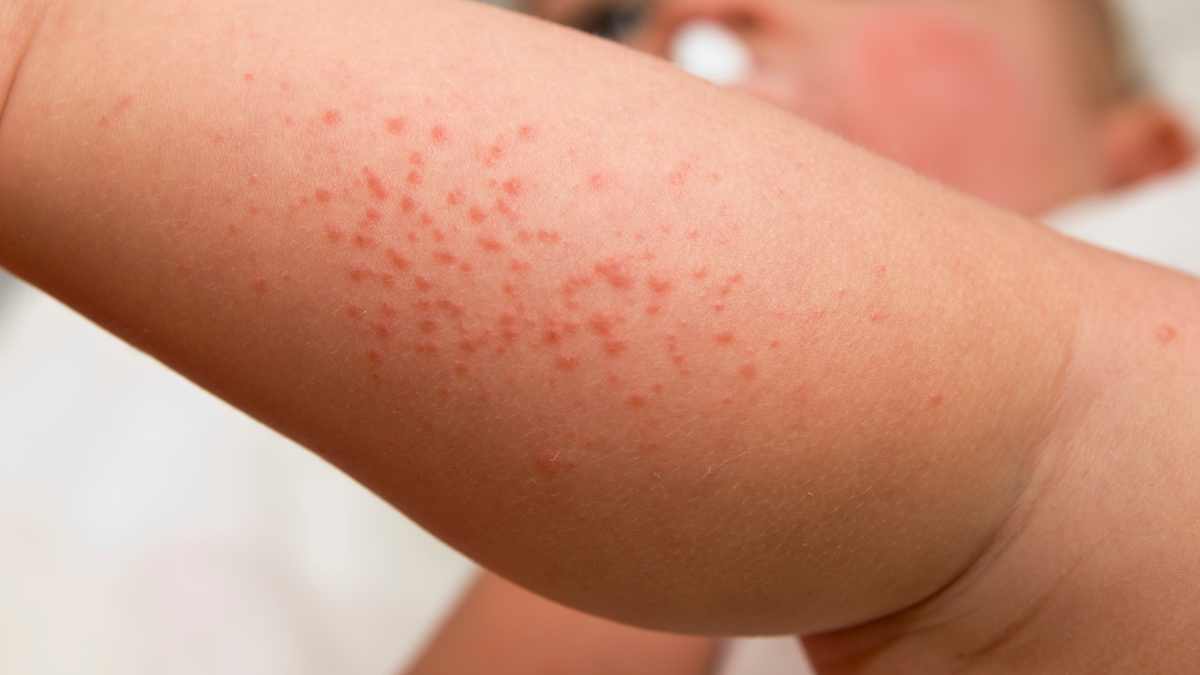
The rash associated with meningitis can vary in appearance but commonly presents as small, pinpoint-sized red or purple spots known as petechiae. In more severe cases, these spots can coalesce into larger areas of bruising, known as purpura. The key visual feature of a meningitis rash is its non-blanching nature; when pressure is applied, the spots do not fade, which is a critical indicator of potential underlying pathology.
In addition to the petechial rash, some patients may develop larger areas of discoloration that resemble bruises. This can occur due to the body’s inability to clot properly in response to the infection. The rash may appear on any part of the body but is often most prominent on the trunk, legs, and mucous membranes.
It is also important to note that not all cases of meningitis present with a rash. The absence of a rash does not rule out meningitis, particularly in viral cases. However, the presence of a rash in a patient with other meningitis symptoms should raise immediate concern and prompt further evaluation.
Photographs and illustrations can be helpful in educating the public and healthcare providers about the appearance of a meningitis rash. Visual aids can assist in training programs aimed at improving the recognition of this critical symptom, ultimately leading to better patient outcomes.
Distinguishing Meningitis Rash from Other Skin Conditions
Differentiating a meningitis rash from other skin conditions is essential for accurate diagnosis and treatment. Conditions such as viral exanthems, allergic reactions, and other infectious rashes may present with similar features, making clinical judgment vital. For instance, viral rashes often blanch when pressure is applied, which is a distinguishing factor from the non-blanching rash seen in meningitis.
Other skin conditions, such as petechial rashes associated with thrombocytopenia or vasculitis, may also mimic the appearance of a meningitis rash. Therefore, a thorough clinical assessment, including a detailed history and physical examination, is necessary to determine the underlying cause of the rash.
In some cases, laboratory tests may be required to confirm the diagnosis. Blood tests can help identify the presence of infection, while a lumbar puncture can provide definitive evidence of meningitis. Understanding the clinical context and associated symptoms is crucial in making an accurate diagnosis.
Education and training for healthcare providers on the nuances of differentiating between various rashes can improve diagnostic accuracy. This knowledge is particularly important in emergency settings where rapid decision-making is essential for patient care.
When to Seek Medical Attention for Meningitis Symptoms
Recognizing the signs and symptoms of meningitis is crucial for timely intervention. If an individual presents with a combination of fever, headache, and neck stiffness, especially if accompanied by a rash, it is imperative to seek medical attention immediately. These symptoms can indicate a life-threatening condition that requires urgent evaluation and treatment.
In children, caregivers should be particularly vigilant for signs of meningitis. Symptoms such as irritability, high-pitched crying, and lethargy, combined with fever, should prompt immediate medical consultation. Additionally, the presence of a rash, especially if it is petechial or purpuric, should not be ignored and warrants prompt evaluation.
It is also important to consider the context of exposure. Individuals who have been in close contact with someone diagnosed with bacterial meningitis should seek medical advice, even if they do not exhibit symptoms. Prophylactic treatment may be necessary to prevent the spread of the disease.
Emergency departments are equipped to handle suspected cases of meningitis, and individuals should not hesitate to seek help. Early diagnosis and treatment can significantly reduce the risk of severe complications, including neurological damage or death.
Conclusion: The Role of Timely Diagnosis in Meningitis Care
Timely diagnosis and intervention are critical in the management of meningitis. The presence of a rash, particularly a petechial or purpuric rash, can serve as a vital indicator of the severity of the illness. Recognizing this rash early can lead to prompt medical evaluation and treatment, which are essential in improving outcomes.
Healthcare providers play a crucial role in educating patients and the community about the signs and symptoms of meningitis, including the importance of recognizing a rash. Public awareness campaigns can help empower individuals to seek help promptly, potentially saving lives.
In conclusion, the ability to identify a meningitis rash and understand its implications is a key component of effective meningitis care. By fostering awareness and encouraging timely medical attention, we can improve the prognosis for individuals affected by this serious condition.
Read more:
- Centers for Disease Control and Prevention (CDC) – Meningitis – A comprehensive resource on meningitis, its symptoms, and prevention strategies.
- World Health Organization (WHO) – Meningitis – Provides global insights on meningitis, including epidemiology and vaccination efforts.
- Mayo Clinic – Meningitis – Detailed information on symptoms, causes, and treatment options for meningitis.
- National Health Service (NHS) – Meningitis – Offers a patient-friendly overview of meningitis, including signs to watch for and when to seek help.
- Merck Manual – Meningitis – A professional medical resource detailing the clinical aspects of meningitis, including diagnosis and management.