

Introduction:
Poison rashes, often characterized by their itchy and inflamed appearance, can be a distressing experience for those affected. Understanding the symptoms, causes, and visual characteristics of these rashes is crucial for effective management and treatment. This article delves into the various aspects of poison rashes, including their identification, differentiation from other skin conditions, diagnostic approaches, and treatment options.
Understanding Poison Rashes: An Overview of Symptoms
Poison rashes typically manifest as red, itchy patches on the skin, often accompanied by swelling and discomfort. These symptoms can vary in severity, depending on the individual’s sensitivity and the extent of exposure to the irritant. In many cases, the rash may develop within hours of contact with the offending substance, leading to an acute inflammatory response.
In addition to redness and itching, a poison rash may present with blisters or weeping sores. These lesions can ooze clear fluid, which may crust over as the rash progresses. It is important to note that the rash may not only be localized to the area of contact but can also spread to surrounding skin, exacerbating the discomfort.
Some individuals may experience systemic symptoms alongside the rash, such as fever, chills, or malaise. These symptoms can indicate a more severe reaction, particularly if the rash is due to a more potent allergen or irritant. Recognizing these accompanying symptoms is essential for determining the appropriate course of action.
Finally, the duration of a poison rash can vary. While some rashes may resolve within a few days, others can persist for weeks or even months if not properly treated. Understanding the timeline of symptoms is vital for effective management and monitoring of the condition.
Common Causes of Poison Rashes: Identifying Triggers
Poison rashes can be triggered by a variety of substances, with poison ivy, poison oak, and poison sumac being the most well-known culprits. These plants contain an oil called urushiol, which can cause an allergic reaction upon contact with the skin. Individuals who are sensitive to urushiol may develop a rash even after minimal exposure.
Other common triggers include certain chemicals found in household products, such as detergents, solvents, and pesticides. These substances can irritate the skin and lead to a rash, particularly in individuals with sensitive skin or those who have pre-existing skin conditions. Identifying these triggers is crucial for preventing future occurrences.
In addition to plants and chemicals, some individuals may experience rashes due to insect bites or stings. Reactions to these bites can vary widely, with some individuals developing localized swelling and redness, while others may experience more severe systemic reactions. Understanding the source of the rash is essential for effective treatment and prevention.
Lastly, certain medications can also lead to poison rashes as a side effect. Allergic reactions to medications can manifest as skin rashes, which may mimic the appearance of poison rashes. It is important for individuals to be aware of their medication history and any potential allergies when evaluating the cause of a rash.
Visual Characteristics: What a Poison Rash Looks Like
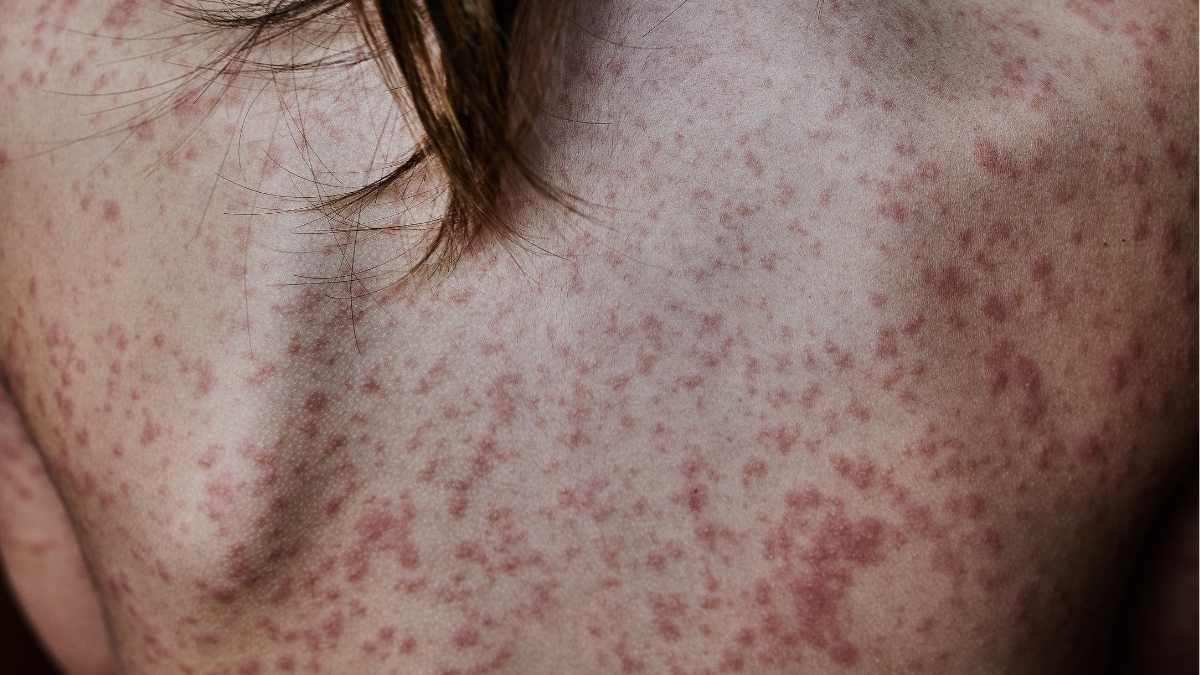
The visual appearance of a poison rash can provide valuable information for diagnosis. Typically, a poison rash begins as red, raised bumps that can quickly develop into larger patches. These areas may become inflamed and tender to the touch, indicating an ongoing inflammatory response.
As the rash progresses, it may develop blisters that can burst and ooze clear or yellowish fluid. This oozing can lead to crusting over the affected areas, creating a scab-like appearance. The presence of blisters is a key characteristic that helps differentiate poison rashes from other skin conditions.
In terms of distribution, poison rashes often appear in linear or streak-like patterns, especially when caused by contact with plants like poison ivy. This pattern can help individuals identify the source of the rash and understand its progression. The rash may also spread to other areas of the body, particularly if the urushiol or irritant is transferred from one part of the skin to another.
Finally, the color of the rash can change over time, transitioning from bright red to a darker hue as it heals. The presence of scaling or peeling skin may also occur as the rash resolves, indicating the body’s natural healing process. Understanding these visual characteristics is essential for proper identification and management of poison rashes.
Differentiating Poison Rashes from Other Skin Conditions
Differentiating poison rashes from other skin conditions can be challenging, as many dermatological issues present with similar symptoms. One key factor to consider is the history of exposure. If the rash developed after contact with a known irritant or allergen, it is more likely to be a poison rash.
Another important consideration is the pattern and distribution of the rash. Poison rashes often appear in linear or streak-like formations, particularly when caused by plants. In contrast, conditions like eczema or psoriasis may present with more diffuse, scaly patches that are not limited to specific contact areas.
Additionally, the presence of blisters is a distinguishing feature of poison rashes. While other skin conditions may also cause blistering, the fluid-filled lesions associated with poison rashes are often more pronounced and can lead to oozing. Observing these characteristics can aid in accurate diagnosis.
Finally, systemic symptoms such as fever or malaise can help differentiate poison rashes from other skin conditions. If these symptoms accompany the rash, it may indicate a more severe allergic reaction or infection, warranting further evaluation by a healthcare professional.
Diagnostic Approaches for Poison Rash Evaluation
When evaluating a suspected poison rash, healthcare providers typically begin with a thorough medical history and physical examination. This initial assessment helps identify potential triggers and the timeline of symptom onset. Patients should be encouraged to provide detailed information about their recent activities, including exposure to plants, chemicals, or medications.
In some cases, patch testing may be utilized to identify specific allergens. This diagnostic tool involves applying small amounts of potential allergens to the skin and observing for reactions over a set period. While this method is more commonly used for chronic allergic contact dermatitis, it can provide valuable insights for individuals with recurrent poison rashes.
If the rash is particularly severe or unresponsive to standard treatments, a biopsy may be performed. This procedure involves taking a small sample of the affected skin for laboratory analysis, helping to rule out other skin conditions and confirm the diagnosis of a poison rash.
Finally, healthcare providers may also consider blood tests to evaluate for systemic allergic reactions or infections. These tests can provide additional information about the patient’s overall health and help guide treatment decisions.
Treatment Options: Managing Symptoms of Poison Rashes
Managing the symptoms of poison rashes primarily involves symptomatic relief. Over-the-counter antihistamines can help alleviate itching and discomfort, while topical corticosteroids may be prescribed to reduce inflammation and swelling. These treatments are often effective in managing mild to moderate rashes.
For more severe cases, healthcare providers may recommend oral corticosteroids to control inflammation and prevent the rash from spreading. This approach is typically reserved for extensive rashes or those accompanied by systemic symptoms. It is important for patients to follow their provider’s instructions regarding dosage and duration of treatment.
In addition to pharmacological interventions, cool compresses can provide immediate relief for itching and inflammation. Patients are encouraged to apply these compresses to the affected areas for short periods throughout the day. This simple measure can significantly improve comfort levels during the healing process.
Finally, preventing secondary infections is crucial for managing poison rashes. Patients should be advised to keep the affected areas clean and dry, avoiding scratching to reduce the risk of introducing bacteria. In cases where the rash becomes infected, additional treatment with antibiotics may be necessary.
Conclusions:
Understanding poison rashes is essential for effective management and treatment. By recognizing the symptoms, identifying triggers, and differentiating these rashes from other skin conditions, individuals can take proactive steps to address their skin health. With appropriate diagnostic approaches and treatment options, most poison rashes can be successfully managed, allowing individuals to return to their normal activities with minimal disruption.
Read more
- American Academy of Dermatology – Poison Ivy, Oak, and Sumac – Comprehensive information on poison ivy, oak, and sumac, including prevention and treatment strategies.
- Mayo Clinic – Poison Ivy Rash – Detailed overview of symptoms, causes, and treatment options for poison ivy rash.
- Cleveland Clinic – Allergic Contact Dermatitis – Insights into allergic contact dermatitis, including diagnosis and management.
- WebMD – Poison Ivy, Oak, and Sumac – A resource for understanding the effects of poison ivy, oak, and sumac on the skin.
- National Institutes of Health – Skin Rashes – A detailed guide on various skin rashes, their causes, and treatment options.