

Se hai un abbonamento attivo ACCEDI QUI
Introduction:
Pollen rash, often associated with seasonal allergies, can cause significant discomfort and distress for those affected. This condition arises when the immune system reacts to pollen, leading to skin irritations. Understanding what a pollen rash looks like is crucial for timely diagnosis and treatment. This article explores the symptoms, visual characteristics, common locations on the body, differentiation from other skin conditions, diagnostic approaches, and management strategies for pollen rash.
Understanding Pollen Rash: An Overview of Symptoms
Pollen rash, also known as allergic contact dermatitis, typically manifests as an itchy, red rash that can appear shortly after exposure to pollen. Symptoms may vary in severity, ranging from mild irritation to more pronounced reactions. Common symptoms include redness, swelling, and the presence of small bumps or blisters. In some cases, the rash may also be accompanied by other allergic symptoms such as sneezing, runny nose, or watery eyes, indicating a broader allergic response.
The itchiness associated with pollen rash can be particularly bothersome, leading individuals to scratch the affected areas, which may exacerbate the irritation. In more severe cases, the rash can become crusty or develop into weeping lesions, indicating a secondary infection. It is essential to recognize these symptoms early to prevent further complications and to seek appropriate treatment.
The onset of symptoms typically correlates with the pollen season, which varies depending on geographical location and the types of plants in the area. Individuals with a history of allergies are more susceptible to developing a pollen rash, and understanding one’s triggers can help in managing the condition effectively.
In summary, the symptoms of pollen rash are characterized by itchiness, redness, and swelling, which can significantly impact the quality of life for those affected. Early recognition and understanding of these symptoms are vital for effective management.
Identifying the Visual Characteristics of Pollen Rash
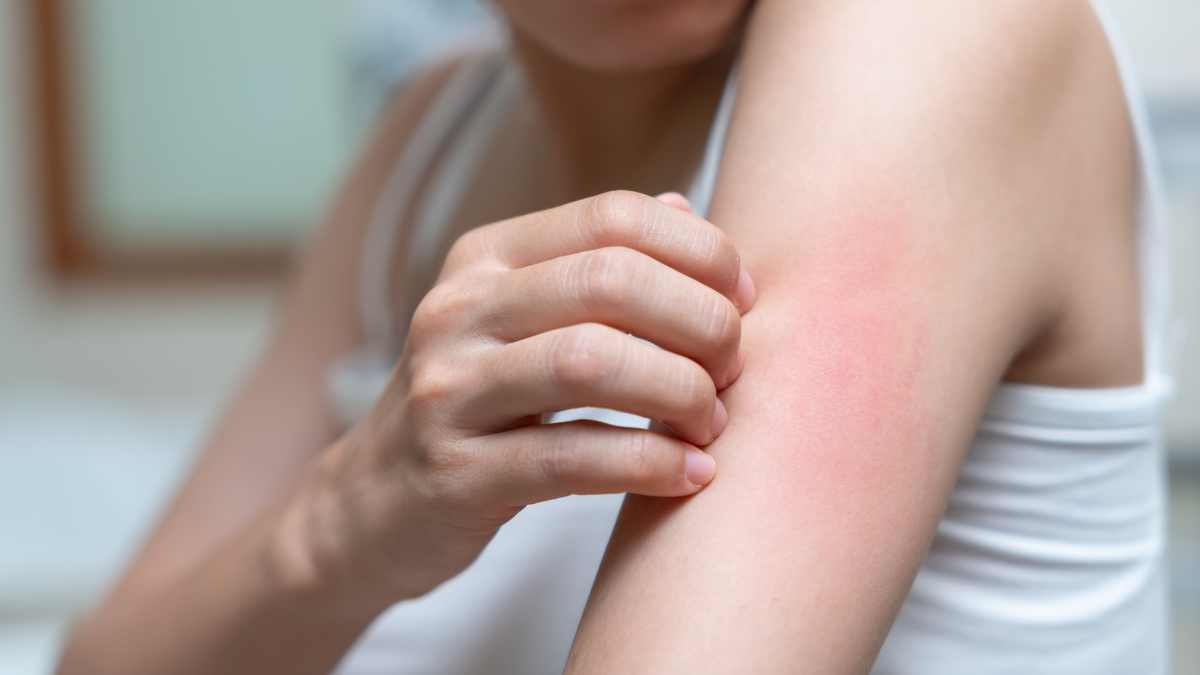
The visual characteristics of a pollen rash can be quite distinctive. Typically, the rash appears as red, raised patches on the skin, often accompanied by small, fluid-filled blisters. These blisters may burst and ooze, leading to crusty patches that can be mistaken for other skin conditions. The rash may also exhibit a bumpy texture, resembling hives or urticaria.
In terms of coloration, the rash is usually bright red or pink, contrasting sharply with the surrounding skin. The edges of the rash may be well-defined, making it easier to identify. In some cases, the rash may spread to larger areas of the body if the individual continues to be exposed to pollen or allergens.
Another notable characteristic is the symmetrical appearance of the rash, often affecting both sides of the body equally. This symmetry can help differentiate it from other skin conditions that may present asymmetrically. Additionally, the rash may be more pronounced in areas where the skin is thinner or more sensitive, such as the face, neck, and inner arms.
Overall, the visual characteristics of a pollen rash are marked by redness, raised patches, and potential blistering, making it essential for individuals to be aware of these signs for accurate identification.
Common Locations on the Body for Pollen Rash Appearance
Pollen rash can appear in various locations on the body, but certain areas are more commonly affected. The face and neck are frequent sites for the rash due to their exposure to airborne pollen. Individuals who spend time outdoors during peak pollen seasons may notice irritation in these areas, especially if they have been sweating or in contact with pollen-laden plants.
Another common location for pollen rash is the arms and hands. These areas are often exposed to pollen when individuals engage in outdoor activities such as gardening, hiking, or sports. The rash may develop on the forearms, wrists, and backs of the hands, where direct contact with pollen is likely to occur.
The trunk and legs can also be affected, particularly if the individual has been in close contact with grass or other plants that release pollen. In some cases, the rash may spread to larger areas of the body, especially if the person scratches the affected areas, leading to further irritation and inflammation.
In summary, while pollen rash can appear anywhere on the body, the most common locations include the face, neck, arms, and legs. Being aware of these areas can help individuals monitor for symptoms, particularly during high pollen seasons.
Distinguishing Pollen Rash from Other Skin Conditions
Distinguishing pollen rash from other skin conditions is crucial for effective treatment. One of the primary conditions that can be confused with pollen rash is eczema, which also presents with red, itchy patches. However, eczema is typically chronic and may not correlate with seasonal changes, whereas pollen rash is often acute and linked to specific allergen exposure.
Another condition that may resemble pollen rash is urticaria, or hives. While both conditions can present with raised, itchy welts, hives are usually more transient and can appear and disappear rapidly. In contrast, pollen rash tends to last longer and may develop blisters or crusts, particularly if scratched.
Contact dermatitis is another skin condition that can mimic pollen rash. This occurs when the skin comes into direct contact with an irritant or allergen. However, contact dermatitis usually appears only in areas that have been in contact with the allergen, while pollen rash can affect areas that have not been directly exposed.
To accurately distinguish pollen rash from other skin conditions, it is essential to consider the timing and triggers associated with the rash. If the rash coincides with high pollen counts and other allergic symptoms, it is more likely to be a pollen rash. Consulting a healthcare professional can provide clarity and ensure appropriate treatment.
Diagnostic Approaches for Confirming Pollen Rash
Diagnosing pollen rash typically involves a thorough medical history and physical examination. A healthcare provider will ask about the timing of symptoms, potential triggers, and any previous allergic reactions. This information is vital for establishing a connection between the rash and pollen exposure.
In some cases, allergy testing may be recommended to confirm the diagnosis. Skin prick tests or blood tests can help identify specific allergens, including various types of pollen. These tests can provide valuable information about an individual’s sensitivities and guide future management strategies.
A patch test may also be conducted to rule out other forms of contact dermatitis. This involves applying small amounts of potential allergens to the skin and monitoring for reactions over several days. If a reaction occurs, it can help pinpoint the cause of the rash.
Ultimately, a comprehensive approach that includes patient history, physical examination, and appropriate testing is essential for accurately diagnosing pollen rash and differentiating it from other skin conditions.
Treatment Options and Management Strategies for Pollen Rash
Treatment for pollen rash primarily focuses on alleviating symptoms and preventing future outbreaks. Topical corticosteroids are often prescribed to reduce inflammation and itching. These creams or ointments can be applied directly to the affected areas, providing relief and promoting healing.
In addition to topical treatments, oral antihistamines may be recommended to help control itching and other allergic symptoms. These medications can provide systemic relief and are particularly useful for individuals experiencing multiple allergy symptoms, such as sneezing and runny nose.
Avoiding exposure to pollen is a crucial management strategy. Individuals should monitor pollen forecasts and limit outdoor activities during peak pollen times. Wearing protective clothing, such as long sleeves and hats, can also help minimize skin exposure. Regularly showering and changing clothes after spending time outdoors can further reduce the risk of developing a rash.
For those with severe reactions, immunotherapy may be considered. This treatment involves gradually desensitizing the immune system to specific allergens, potentially reducing the severity of allergic reactions over time. Consulting with an allergist can help determine if this approach is appropriate.
Conclusions:
Pollen rash can be a distressing condition for those with pollen allergies, but understanding its symptoms, visual characteristics, and management strategies can significantly improve quality of life. Early recognition and appropriate treatment are essential for alleviating discomfort and preventing complications. Individuals should remain vigilant during pollen seasons and consult healthcare professionals for personalized management plans.
Read more
- American Academy of Allergy, Asthma & Immunology – A comprehensive resource for allergy-related information, including pollen allergies and skin reactions.
- Mayo Clinic – Allergic Skin Reactions – Detailed information on allergic skin reactions, including symptoms and treatment options.
- WebMD – Allergic Skin Reactions – A resource that outlines various allergic skin conditions and their management.
- National Institute of Allergy and Infectious Diseases – Offers insights into allergies, including research and treatment developments.
- Cleveland Clinic – Skin Rashes – Information on different types of skin rashes, including allergic reactions and their treatments.