
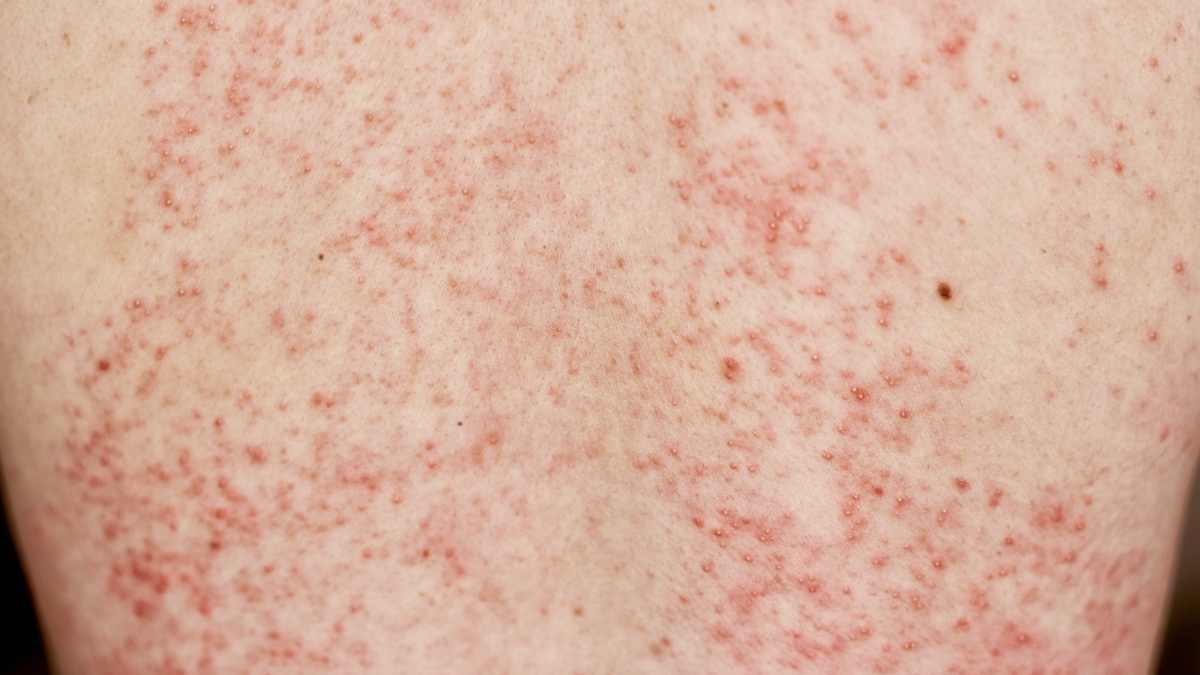

Introduction:
Purpura is a term that refers to a range of skin conditions characterized by purple or red spots on the skin due to bleeding underneath the skin. These spots can vary in size and can appear anywhere on the body. Understanding the appearance and implications of a purpura rash is crucial for both patients and healthcare providers. This article will explore the definition and classification of purpura, the clinical presentation of the rash, its distinguishing features, common causes, diagnostic evaluation methods, and treatment approaches.
Understanding Purpura: Definition and Classification
Purpura is defined as a condition where small blood vessels leak blood into the skin, mucous membranes, or organs, resulting in purple or red discolorations. The size of these spots can range from pinpoint-sized petechiae to larger ecchymoses. Purpura can be classified into two main categories: primary purpura, which occurs without an underlying disease, and secondary purpura, which is associated with various medical conditions.
Primary purpura includes conditions such as idiopathic thrombocytopenic purpura (ITP), where the immune system mistakenly attacks platelets. Secondary purpura can arise from a variety of conditions, including infections, vascular disorders, and systemic diseases. Understanding these classifications is vital for determining the underlying cause and appropriate treatment.
In clinical practice, purpura is often further categorized based on the size and distribution of the lesions. This classification aids healthcare professionals in diagnosing the underlying causes and assessing the severity of the condition. The differentiation between petechiae, purpura, and ecchymosis is essential, as each may indicate different underlying health issues.
Overall, the classification of purpura provides a framework for understanding its various manifestations and guides clinicians in their diagnostic and therapeutic approaches.
Clinical Presentation: Characteristics of Purpura Rash
The purpura rash typically presents as flat or raised spots that can vary in color from red to deep purple. These spots do not blanch when pressure is applied, a key characteristic that distinguishes them from other skin lesions. The size of the spots can range from a few millimeters to several centimeters, depending on the severity of the bleeding.
In addition to the skin manifestations, purpura may be accompanied by other symptoms, such as bruising, bleeding gums, or nosebleeds, particularly in cases where the underlying cause is related to platelet dysfunction or coagulopathy. Patients may also experience systemic symptoms like fever, fatigue, or joint pain, depending on the etiology of the purpura.
The distribution of the rash can also provide clues to its cause. For instance, purpura associated with meningococcemia often appears on the trunk and extremities, while Henoch-Schönlein purpura typically presents with a rash on the buttocks and legs. Recognizing these patterns is crucial for accurate diagnosis.
Furthermore, the duration of the rash can vary. Some cases of purpura may resolve quickly, while others can persist for weeks or even months, depending on the underlying condition. Understanding the clinical presentation of purpura is essential for timely intervention and management.
Distinguishing Features: Types of Purpura Rash
The two primary types of purpura are non-thrombocytopenic and thrombocytopenic purpura. Non-thrombocytopenic purpura occurs in the presence of normal platelet counts and is often due to vascular abnormalities or systemic diseases. Conditions such as vasculitis or scurvy can lead to this type of purpura.
Thrombocytopenic purpura, on the other hand, is characterized by a low platelet count and can be caused by conditions such as ITP, thrombotic thrombocytopenic purpura (TTP), or hemolytic uremic syndrome (HUS). In these cases, the purpura is often accompanied by significant bleeding tendencies and requires urgent medical evaluation.
Another important distinction is between acute and chronic purpura. Acute purpura typically arises suddenly and may resolve on its own or with treatment, while chronic purpura persists over time and often indicates an underlying chronic condition. This differentiation is crucial for determining the appropriate management strategy.
Finally, the morphology of the rash can also provide diagnostic clues. For example, palpable purpura suggests inflammation of the blood vessels, often seen in vasculitis, while non-palpable purpura may indicate a more systemic issue. Understanding these distinguishing features is essential for accurate diagnosis and treatment planning.
Common Causes: Conditions Associated with Purpura
Purpura can arise from a multitude of conditions, making it essential for healthcare providers to consider various etiologies. One common cause is thrombocytopenia, which can result from conditions such as bone marrow disorders, autoimmune diseases, or certain medications. In these cases, the low platelet count leads to an increased risk of bleeding and the formation of purpura.
Infections can also lead to purpura, particularly those caused by bacteria such as Neisseria meningitidis, which can cause meningococcemia. This severe infection can lead to widespread purpura and requires immediate medical attention. Viral infections, such as infectious mononucleosis, can also result in purpura due to associated thrombocytopenia.
Vascular disorders, such as vasculitis, can cause purpura through inflammation of the blood vessels. Conditions like Henoch-Schönlein purpura, which is a small-vessel vasculitis, often present with purpura, especially in children. Additionally, systemic diseases such as lupus or rheumatoid arthritis can also manifest with purpura due to their effects on blood vessel integrity.
Lastly, nutritional deficiencies, particularly of vitamin C (scurvy) and vitamin K, can lead to purpura. Vitamin C is essential for collagen synthesis, and its deficiency can weaken blood vessel walls, leading to purpura. Understanding the common causes of purpura is vital for appropriate diagnosis and management.
Diagnostic Evaluation: Assessing Purpura Rash
The evaluation of purpura begins with a comprehensive medical history and physical examination. Clinicians will inquire about the onset, duration, and associated symptoms of the rash, as well as any recent infections, medications, or underlying health conditions. A thorough physical examination will help assess the extent and distribution of the purpura.
Laboratory tests play a crucial role in diagnosing the underlying cause of purpura. A complete blood count (CBC) is often performed to evaluate platelet levels and assess for thrombocytopenia. Additional tests, such as a peripheral blood smear, can help identify any abnormalities in blood cell morphology.
Coagulation studies, including prothrombin time (PT) and activated partial thromboplastin time (aPTT), are essential for assessing the coagulation cascade and identifying any bleeding disorders. In cases where vasculitis is suspected, specific autoantibody tests may be conducted to evaluate for conditions such as antineutrophil cytoplasmic antibody (ANCA)-associated vasculitis.
In some cases, a skin biopsy may be necessary to assess the histological characteristics of the lesions. This can help differentiate between various types of purpura and guide further management. Overall, a comprehensive diagnostic evaluation is essential for determining the cause of purpura and formulating an appropriate treatment plan.
Treatment Approaches: Managing Purpura and Its Causes
The management of purpura primarily focuses on treating the underlying cause rather than the rash itself. In cases of thrombocytopenic purpura, treatment may involve corticosteroids to suppress the immune response or other medications to increase platelet production. In severe cases, platelet transfusions may be necessary.
For purpura associated with infections, prompt antibiotic therapy is crucial. In cases of meningococcemia, for example, immediate treatment can prevent serious complications. Supportive care, including hydration and pain management, is also essential in the treatment of purpura.
In instances of vasculitis-related purpura, immunosuppressive therapies may be required to reduce inflammation and prevent further damage to blood vessels. This can include medications such as corticosteroids, cyclophosphamide, or biologic agents, depending on the severity and type of vasculitis.
Nutritional deficiencies leading to purpura can be addressed through dietary modifications and supplementation. For example, vitamin C deficiency can be treated with dietary changes and vitamin supplementation. Overall, a multidisciplinary approach may be necessary to effectively manage purpura and its underlying causes.
Conclusions:
Purpura is a complex condition that can arise from various underlying causes, presenting as distinctive purple or red spots on the skin. Understanding its definition, clinical presentation, distinguishing features, common causes, diagnostic evaluation, and treatment approaches is crucial for effective management. Timely diagnosis and intervention can significantly impact patient outcomes, making awareness of purpura essential for both healthcare providers and patients.
Read more
- Mayo Clinic – Purpura – A comprehensive overview of purpura, including symptoms, causes, and treatment options.
- National Institutes of Health – Idiopathic Thrombocytopenic Purpura – Detailed information on ITP, its causes, symptoms, and management.
- American Academy of Dermatology – Purpura – An informative resource on the dermatological aspects of purpura.
- Cleveland Clinic – Vasculitis – An overview of vasculitis, including its relation to purpura and treatment strategies.
- WebMD – Understanding Purpura – A patient-friendly resource explaining purpura, its causes, and when to seek medical attention.