
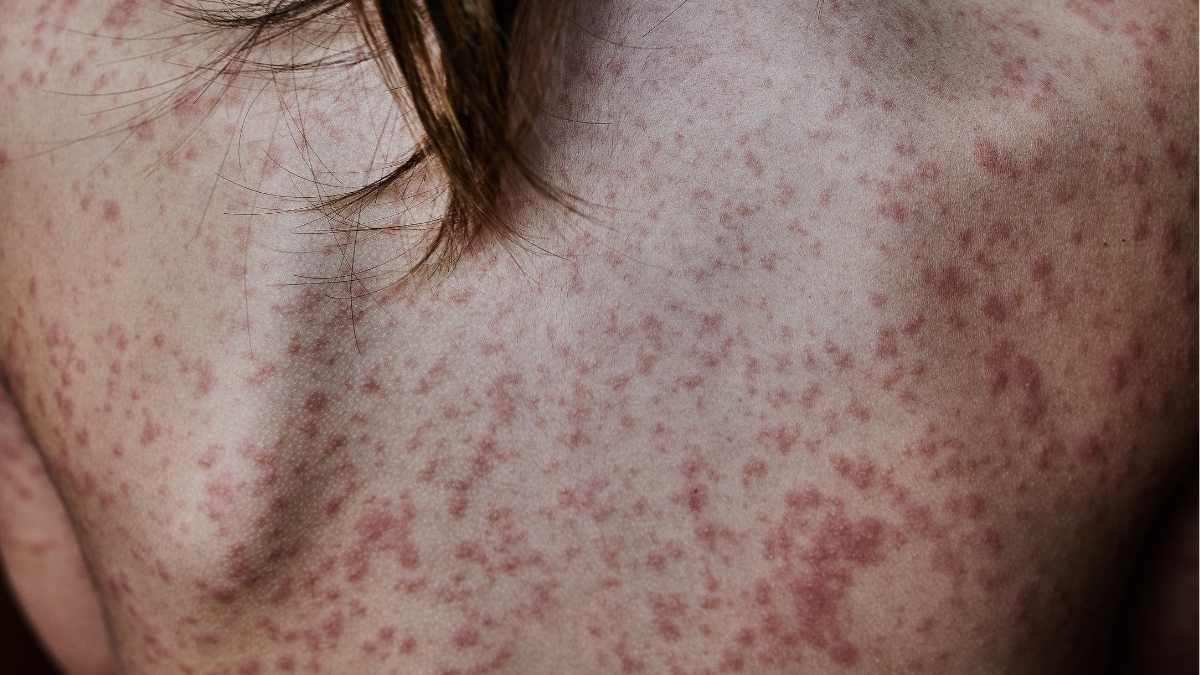

Introduction:
Respiratory Syncytial Virus (RSV) is a common viral infection that primarily affects the respiratory system, particularly in infants and young children. While the primary symptoms of RSV are respiratory in nature, such as coughing, wheezing, and difficulty breathing, some patients may also develop a rash. Understanding the characteristics of an RSV rash can be crucial for parents and caregivers to differentiate it from other skin conditions. This article will delve into the nature of RSV, the specific features of its associated rash, and how it can be managed effectively.
Understanding Respiratory Syncytial Virus and Its Symptoms
RSV is a highly contagious virus that spreads through respiratory droplets when an infected person coughs or sneezes. It is the leading cause of bronchiolitis and pneumonia in children under the age of one. Symptoms typically appear within four to six days after exposure and can range from mild cold-like signs to severe respiratory distress. Common symptoms include a runny nose, sore throat, cough, and fever.
In addition to these respiratory symptoms, some children may develop gastrointestinal symptoms such as vomiting and diarrhea. The severity of RSV can vary significantly among individuals, with some experiencing only mild cold-like symptoms while others may require hospitalization due to severe respiratory complications. Recognizing the full spectrum of symptoms is essential for timely intervention and management.
The immune response to RSV can also lead to inflammation, which may manifest as skin rashes in some patients. These rashes are not as commonly discussed as the respiratory symptoms but can be an important indicator of the body’s reaction to the virus. Understanding these rashes can help caregivers monitor their child’s condition more effectively.
In summary, RSV is a significant viral infection with a range of symptoms, predominantly affecting the respiratory system. However, awareness of the potential for skin rashes can aid in the overall assessment of the illness and guide appropriate care.
Identifying the Characteristics of an RSV Rash
The rash associated with RSV is often described as a maculopapular rash, which consists of both flat and raised lesions. These lesions can vary in color from red to pink and may appear in clusters. The texture of the rash can range from smooth to slightly raised, and it may feel warm to the touch.
Typically, the rash is not itchy, which can help distinguish it from other types of rashes, such as those caused by allergic reactions. The appearance of the rash can change over time, with some lesions fading while new ones may appear. This dynamic nature of the rash can be concerning for parents, but it is often a part of the body’s immune response to the viral infection.
In some cases, the rash may also be accompanied by other systemic symptoms, such as fever or malaise, further indicating that it is related to an underlying viral infection rather than a standalone dermatological issue. It is essential for caregivers to monitor the rash closely, noting any changes in appearance or associated symptoms.
Overall, the characteristics of an RSV rash are distinct and can serve as a helpful diagnostic clue when evaluating a child suspected of having RSV. Recognizing these features can assist in differentiating RSV-related rashes from other common skin conditions.
Common Locations for RSV Rash on the Body
The RSV rash can appear in various locations on the body, but it is most commonly found on the trunk, arms, and legs. The rash may also extend to the face, particularly around the cheeks and forehead. This distribution pattern is important for caregivers to note, as it can help in identifying the rash as potentially related to RSV rather than other causes.
In some cases, the rash may also be more pronounced in areas where clothing rubs against the skin, such as the armpits or the groin. This friction can exacerbate the appearance of the rash, making it more noticeable. Caregivers should be vigilant in observing these areas, especially if the child exhibits other symptoms of RSV.
The timing of the rash’s appearance can also vary. In many instances, the rash may develop concurrently with respiratory symptoms, but it can also appear after the initial onset of respiratory distress. This variability can make it challenging to pinpoint the exact cause of the rash, underscoring the importance of a comprehensive evaluation.
In conclusion, the common locations for an RSV rash include the trunk, arms, legs, and face. Awareness of these areas can aid in early recognition and appropriate management of the rash.
Distinguishing RSV Rash from Other Skin Conditions
Differentiating an RSV rash from other skin conditions is crucial for effective management. Common skin conditions that may mimic an RSV rash include eczema, allergic reactions, and other viral exanthems. Eczema is characterized by dry, itchy patches and may not present with the same maculopapular appearance seen in RSV.
Allergic reactions can also cause rashes that are red and raised, but these are typically itchy and may be accompanied by other symptoms such as swelling or hives. Understanding these distinctions can help caregivers identify the nature of the rash more accurately.
Other viral infections, such as measles or chickenpox, can produce rashes that are more widespread and may be accompanied by distinct systemic symptoms. For example, measles rashes often start on the face and spread downward, while chickenpox rashes are characterized by vesicular lesions that crust over.
In summary, distinguishing an RSV rash from other skin conditions involves careful observation of the rash’s characteristics, associated symptoms, and distribution. This differentiation is essential for guiding appropriate treatment and management strategies.
Diagnostic Approaches for RSV Rash Identification
When a rash appears in a child suspected of having RSV, healthcare providers typically conduct a thorough clinical evaluation. This evaluation includes a detailed medical history and physical examination to assess the rash’s characteristics and distribution.
Diagnostic tests for RSV primarily focus on respiratory symptoms, such as nasal swabs or aspirates to detect the presence of the virus. However, the presence of a rash may prompt additional considerations. In some cases, healthcare providers may recommend blood tests to rule out other viral infections or allergic reactions that could be causing the rash.
It is also essential for healthcare providers to consider the timing of the rash in relation to other symptoms. If the rash appears concurrently with respiratory distress, it is more likely to be associated with RSV. In contrast, if the rash develops independently or after the resolution of respiratory symptoms, it may indicate a different underlying issue.
In conclusion, the diagnostic approaches for identifying an RSV rash involve a combination of clinical evaluation, diagnostic testing, and careful consideration of symptom timing. This comprehensive approach helps ensure accurate diagnosis and appropriate management.
Treatment Options and Management of RSV Rash Symptoms
Management of an RSV rash primarily focuses on alleviating symptoms and supporting the child’s overall health. Since the rash is often a manifestation of the body’s immune response to the virus, treatment is generally supportive rather than curative.
For mild cases, keeping the skin moisturized can help soothe any irritation. Over-the-counter antihistamines may be recommended if the rash is itchy, although this is less common with RSV rashes. It is essential to consult a healthcare provider before administering any medications to ensure they are appropriate for the child’s age and condition.
In more severe cases, particularly when the rash is associated with significant discomfort or other systemic symptoms, healthcare providers may consider corticosteroids to reduce inflammation. However, this approach is typically reserved for more severe cases and should be guided by a healthcare professional.
Overall, the treatment options for managing RSV rash symptoms focus on symptom relief and supportive care. Monitoring the child’s condition closely and maintaining communication with healthcare providers is essential for ensuring the best possible outcomes.
Conclusions:
RSV is a significant viral infection that can lead to respiratory distress and, in some cases, the development of a rash. Understanding the characteristics of an RSV rash, its common locations, and how to distinguish it from other skin conditions is crucial for effective management. Caregivers should be vigilant in monitoring their child’s symptoms and seeking medical advice when necessary.
Read more:
- Centers for Disease Control and Prevention (CDC) – RSV Overview: A comprehensive overview of RSV, its symptoms, and prevention strategies.
- Mayo Clinic – RSV in Children: Detailed information on RSV, including symptoms and treatment options.
- American Academy of Pediatrics – Respiratory Syncytial Virus: A professional resource discussing RSV and its impact on pediatric health.
- Cleveland Clinic – RSV Symptoms and Treatment: Insights into the symptoms, diagnosis, and treatment of RSV.
- National Institutes of Health – RSV Research: Research findings on the immune response to RSV and its implications for treatment.