

Se hai un abbonamento attivo ACCEDI QUI
Introduction:
Sepsis is a life-threatening response to infection that can lead to tissue damage, organ failure, and death. It occurs when the body’s immune system goes into overdrive in response to an infection, releasing a cascade of chemicals that can result in widespread inflammation. One of the manifestations of sepsis can be a distinctive rash, which can serve as an important indicator of the condition’s severity. Understanding the characteristics of a sepsis rash is crucial for timely diagnosis and treatment, as it can significantly affect patient outcomes.
Understanding Sepsis: An Overview of the Condition
Sepsis is often triggered by infections in the lungs, urinary tract, abdomen, or bloodstream. The condition can develop rapidly, and its symptoms can escalate quickly, making early recognition vital. The initial signs of sepsis may include fever, chills, rapid heart rate, and confusion. As the condition progresses, it can lead to septic shock, where blood pressure drops dangerously low, and multiple organs begin to fail. The World Health Organization has emphasized the importance of recognizing sepsis as a medical emergency that requires immediate intervention.
The pathophysiology of sepsis involves a complex interplay between the immune system and the invading pathogens. In a healthy response, the immune system fights off infections and promotes healing. However, in sepsis, this response becomes dysregulated, leading to systemic inflammation and coagulation abnormalities. This can result in the formation of microclots, decreased blood flow to organs, and ultimately, organ dysfunction. Understanding these mechanisms is essential for healthcare providers to manage sepsis effectively.
Sepsis can affect individuals of all ages, but certain populations are at higher risk, including the elderly, infants, and those with chronic health conditions. The incidence of sepsis has been rising globally, underscoring the need for increased awareness and education about its signs and symptoms. Public health campaigns have aimed to improve recognition of sepsis in both healthcare settings and the general public, emphasizing the importance of seeking medical attention for potential infections.
In summary, sepsis is a critical condition that arises from an infection and can lead to severe complications if not treated promptly. Recognizing its symptoms, including the potential for a rash, is vital for ensuring timely medical intervention and improving patient outcomes.
Identifying the Symptoms of Sepsis Rash
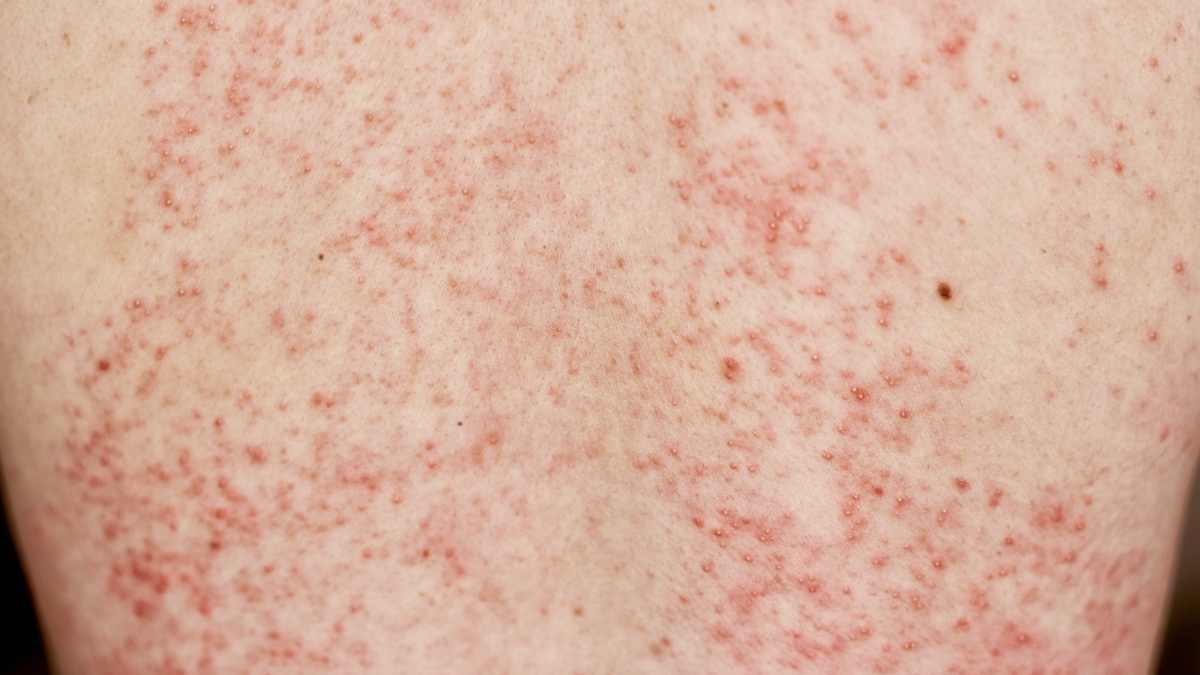
A sepsis rash can present in various forms, often appearing as small red or purple spots on the skin, known as petechiae. These spots are caused by bleeding under the skin and can indicate a serious deterioration in a patient’s condition. In some cases, the rash may progress to larger areas of discoloration, resembling bruises or purpura. This change in skin appearance is often accompanied by other symptoms of sepsis, such as fever, chills, and confusion.
Patients may also experience a generalized feeling of malaise, fatigue, and weakness. The rash itself can be a critical sign of the severity of the underlying infection, as it often indicates that the body is struggling to maintain blood flow and oxygenation to tissues. The presence of a rash in conjunction with other sepsis symptoms should prompt immediate medical evaluation, as it can be an indicator of septic shock.
In addition to the rash, other systemic symptoms may include rapid breathing, elevated heart rate, and low blood pressure. Sepsis can also lead to altered mental status, which may manifest as confusion, disorientation, or lethargy. Recognizing these symptoms early can be lifesaving, as prompt treatment is essential for improving outcomes in sepsis patients.
Overall, the identification of a rash in the context of other sepsis symptoms is crucial for healthcare providers and caregivers. The presence of a sepsis rash can signify a worsening condition and necessitate immediate medical intervention to prevent further complications.
Characteristics of Sepsis Rash: Color and Texture
The color of a sepsis rash can vary significantly, typically ranging from red to purple. The initial appearance may be bright red, resembling a sunburn or allergic reaction. As the condition progresses, the rash may darken to a deep purple or even black, indicating more severe underlying issues such as necrosis or tissue death. This change in color is a critical indicator of the severity of the sepsis and should not be overlooked.
In terms of texture, a sepsis rash can present as flat or slightly raised spots on the skin. Petechiae are usually flat and do not blanch (turn white) when pressed, which is a key distinguishing feature. In contrast, other types of rashes, such as those associated with allergic reactions or infections like chickenpox, may be raised and may blanch under pressure. The texture and appearance of the rash can provide important clues to healthcare providers regarding the underlying cause and severity of the patient’s condition.
Another important characteristic of a sepsis rash is its rapid progression. Unlike other skin conditions that may develop slowly, a rash associated with sepsis can appear suddenly and spread quickly. This rapid change can be alarming and is often accompanied by other systemic symptoms, reinforcing the need for immediate medical evaluation. The speed at which the rash develops can be a critical factor in assessing the urgency of treatment.
In summary, the color and texture of a sepsis rash are distinctive and can provide valuable information for diagnosis. Recognizing these characteristics can help healthcare providers differentiate sepsis from other conditions and initiate appropriate treatment promptly.
Common Locations for Sepsis Rash on the Body
A sepsis rash can occur anywhere on the body, but there are common areas where it is frequently observed. The extremities, including the arms and legs, are often the first sites to show signs of a rash. This can be attributed to the fact that blood flow to these areas may be compromised as the body responds to sepsis. As a result, patients may notice discoloration or spots on their hands, feet, and lower legs.
Another common location for a sepsis rash is the torso, particularly around the abdomen and back. This area can exhibit petechiae or purpura as the condition progresses. The rash may also spread to the chest and neck, indicating a systemic response to the infection. The presence of a rash in these areas can be particularly concerning and may suggest a more severe case of sepsis.
Facial involvement can also occur, although it is less common. When a sepsis rash appears on the face, it may be indicative of a more advanced stage of the condition. Facial rashes can be particularly alarming for patients and caregivers, underscoring the need for immediate medical attention. The appearance of a rash on the face, in conjunction with other symptoms, can be a critical warning sign.
In conclusion, while a sepsis rash can appear anywhere on the body, it is most commonly observed on the extremities and torso. Recognizing the typical locations of a sepsis rash can aid in early identification and prompt medical intervention.
Differentiating Sepsis Rash from Other Skin Conditions
Differentiating a sepsis rash from other skin conditions is essential for accurate diagnosis and treatment. One of the primary distinguishing features is the nature of the rash itself. As previously mentioned, a sepsis rash often presents as petechiae or purpura, which are small red or purple spots that do not blanch when pressed. In contrast, rashes associated with allergies or viral infections may be raised and can change color when pressure is applied.
Another key factor in differentiation is the accompanying symptoms. A sepsis rash is typically associated with systemic symptoms such as fever, chills, rapid heart rate, and altered mental status. In contrast, rashes caused by conditions like eczema or psoriasis may not present with systemic symptoms and are usually localized to specific areas of the body. The presence of systemic signs alongside the rash is a critical indicator of sepsis.
Timing and progression also play a significant role in distinguishing a sepsis rash. A rash associated with sepsis can develop rapidly, often within hours, while other skin conditions may take days or weeks to evolve. Additionally, the rapid spread of the rash can indicate a worsening condition, prompting immediate medical evaluation. Awareness of these temporal factors can help healthcare providers make informed decisions regarding patient care.
In summary, differentiating a sepsis rash from other skin conditions requires careful consideration of the rash’s characteristics, accompanying symptoms, and the timing of its onset. This understanding is crucial for ensuring timely and appropriate treatment for patients with sepsis.
When to Seek Medical Attention for Sepsis Rash
Recognizing when to seek medical attention for a sepsis rash is critical for improving outcomes. If an individual develops a rash accompanied by other symptoms of sepsis, such as fever, chills, rapid heart rate, or confusion, it is imperative to seek immediate medical care. The combination of these symptoms can indicate a serious medical emergency that requires prompt intervention.
In particular, if the rash appears suddenly and spreads rapidly, this should serve as a warning sign. The presence of petechiae or purpura, especially if they are accompanied by signs of systemic illness, necessitates urgent evaluation. Healthcare providers can perform the necessary assessments and diagnostic tests to determine the underlying cause and initiate appropriate treatment.
Additionally, individuals with pre-existing health conditions, such as diabetes or compromised immune systems, should be particularly vigilant. These populations are at higher risk for developing sepsis, and any signs of infection or rash should prompt immediate medical consultation. Early recognition and treatment can significantly improve the prognosis for these individuals.
In conclusion, seeking medical attention for a sepsis rash should not be delayed. Recognizing the signs and symptoms of sepsis and understanding the urgency of the situation can be lifesaving. Prompt medical intervention is essential for managing sepsis effectively and reducing the risk of severe complications.
Conclusions:
Sepsis is a critical condition that can lead to severe complications if not recognized and treated promptly. The presence of a rash, particularly one characterized by petechiae or purpura, can be a key indicator of the severity of the condition. Understanding the characteristics, common locations, and differentiation from other skin conditions is essential for timely diagnosis and intervention. Individuals experiencing a rash alongside other symptoms of sepsis should seek immediate medical attention to improve their chances of recovery.
Read more:
- Sepsis Alliance – A comprehensive resource for understanding sepsis, its symptoms, and treatment options.
- Centers for Disease Control and Prevention (CDC) – Sepsis – Provides information on the prevention, recognition, and management of sepsis.
- World Health Organization (WHO) – Sepsis – Offers global perspectives on sepsis, including statistics and health recommendations.
- Mayo Clinic – Sepsis – A trusted source for detailed information on sepsis symptoms, causes, and treatment options.
- National Institute of General Medical Sciences – Sepsis – Provides educational resources about sepsis and its impact on health.