

Se hai un abbonamento attivo ACCEDI QUI
Introduction:
Stress is a common experience in modern life, and its effects can manifest in various physical symptoms, including skin reactions. One such reaction is a stress rash, which can be both uncomfortable and alarming. Understanding what a stress rash looks like, its causes, and how to manage it is essential for those who experience this condition. This article will delve into the definition and causes of stress rashes, their clinical presentation, visual characteristics, differential diagnosis, treatment options, and prevention strategies.
Understanding Stress Rashes: Definition and Causes
A stress rash, also known as stress-induced urticaria or hives, is a skin condition that arises as a direct response to emotional or physical stress. Stress triggers a release of histamines and other chemicals in the body, leading to inflammation and irritation of the skin. This condition can occur in individuals of all ages and backgrounds, often surfacing during periods of heightened anxiety, significant life changes, or overwhelming situations.
The underlying mechanisms of stress rashes involve the body’s fight-or-flight response. When faced with stress, the body releases cortisol and adrenaline, which can affect various systems, including the skin. These hormonal changes can lead to increased blood flow and skin sensitivity, resulting in rashes. Additionally, stress can exacerbate pre-existing skin conditions, such as eczema or psoriasis, making it crucial to address both the emotional and physical aspects of skin health.
Common triggers for stress rashes include work-related pressures, personal life challenges, and even environmental factors. Understanding these triggers is vital for effective management. Individuals who are prone to anxiety or have a history of skin issues may be more susceptible to developing stress rashes, highlighting the importance of recognizing personal stressors.
In summary, stress rashes are a complex interplay of psychological and physiological factors. Recognizing the causes is the first step toward effective management and treatment. By understanding how stress affects the skin, individuals can take proactive measures to mitigate their symptoms.
Clinical Presentation: Identifying Stress Rash Symptoms
The clinical presentation of a stress rash can vary widely among individuals, but certain symptoms are commonly observed. Typically, stress rashes manifest as raised, red welts or hives on the skin. These welts can appear suddenly and may vary in size, often resembling insect bites or allergic reactions.
In addition to the visible welts, individuals may experience itching, burning, or stinging sensations in the affected areas. This discomfort can lead to further stress, creating a vicious cycle. The intensity of symptoms can fluctuate, with some individuals experiencing persistent rashes while others may have intermittent flare-ups.
Stress rashes can occur anywhere on the body, although they are most commonly found on the arms, legs, torso, and face. In some cases, the rash may spread rapidly, covering larger areas of skin. Accompanying symptoms, such as swelling or redness, can also be present, indicating a more severe reaction.
It is essential to differentiate stress rashes from other dermatological conditions. Consulting a healthcare professional for an accurate diagnosis is crucial, especially if symptoms persist or worsen. Understanding the clinical presentation can help individuals recognize when they are experiencing a stress rash and seek appropriate care.
Visual Characteristics: What a Stress Rash Looks Like
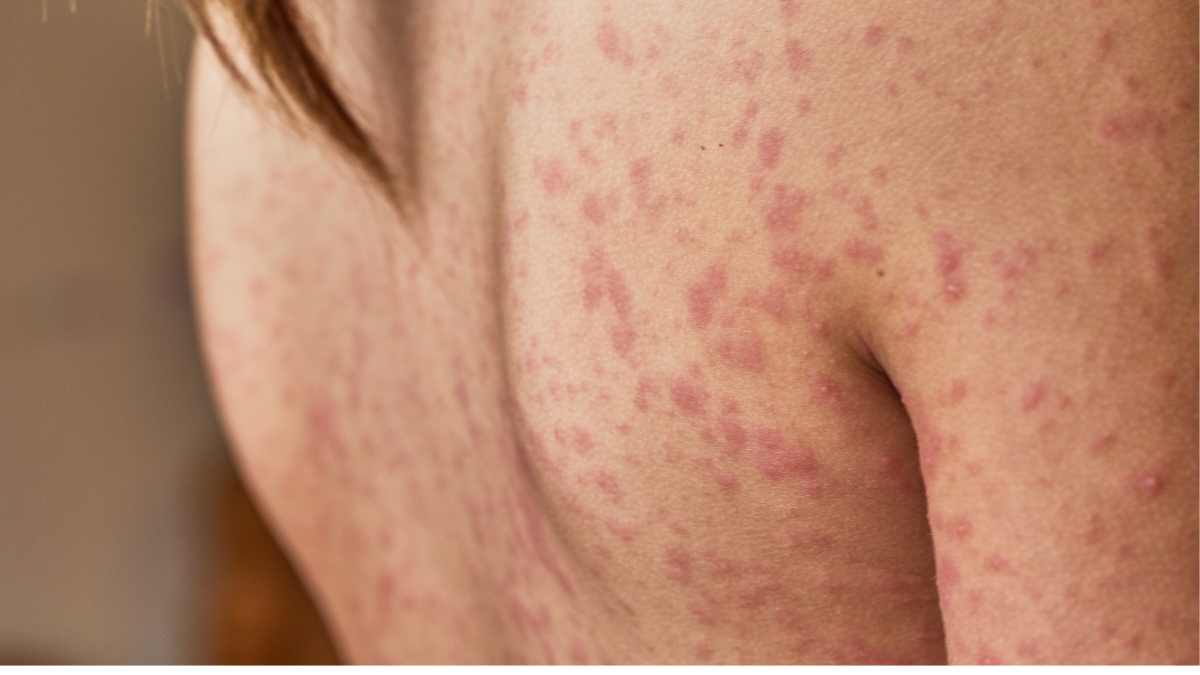
Visually, a stress rash is characterized by distinct features that set it apart from other skin conditions. The rash typically presents as raised, red welts that may vary in size and shape. These welts can appear in clusters or as isolated bumps and often have well-defined borders.
The color of the rash can range from pink to deep red, depending on the severity of the reaction. In some cases, the skin surrounding the welts may appear normal, while in others, there may be additional redness or inflammation. The texture of the skin can also change, with affected areas feeling warm to the touch due to increased blood flow.
One of the hallmark characteristics of a stress rash is its transient nature. The welts can appear and disappear within hours, making them unpredictable. This rapid change can be distressing for individuals, as they may not understand the underlying cause of their symptoms.
In summary, the visual characteristics of a stress rash are marked by raised, red welts that can vary in size and shape. Recognizing these features can help individuals identify stress rashes and differentiate them from other skin conditions. Understanding what a stress rash looks like is essential for timely intervention and management.
Differential Diagnosis: Distinguishing Stress Rashes
Differential diagnosis is crucial when identifying a stress rash, as several skin conditions can present similarly. Conditions such as allergic reactions, eczema, and psoriasis may exhibit overlapping symptoms, making accurate diagnosis essential. A thorough medical history and physical examination are vital in distinguishing stress rashes from these other conditions.
Allergic reactions often involve the presence of blisters or swelling, while eczema is characterized by dry, flaky patches of skin. In contrast, stress rashes typically present as raised welts that may change rapidly. Understanding these differences can aid healthcare professionals in making an accurate diagnosis.
Another condition to consider is contact dermatitis, which occurs due to direct contact with an irritant or allergen. Unlike stress rashes, contact dermatitis typically has a clear cause and may present with blistering or peeling skin. Identifying the source of irritation is key in these cases.
In some instances, underlying medical conditions, such as autoimmune disorders, can mimic the symptoms of a stress rash. Consulting a healthcare professional for comprehensive evaluation and testing is essential for individuals experiencing persistent or severe symptoms. Proper diagnosis is the cornerstone of effective treatment and management.
Treatment Options: Managing Stress-Induced Skin Reactions
Managing a stress rash involves a multi-faceted approach that addresses both the skin symptoms and the underlying stressors. Topical treatments, such as corticosteroid creams or antihistamines, can help alleviate itching and inflammation. These medications work by reducing the immune response in the skin, providing relief from discomfort.
In cases where stress is a significant factor, stress management techniques can play a crucial role in treatment. Cognitive-behavioral therapy (CBT), mindfulness practices, and relaxation techniques can help individuals cope with stress more effectively. By addressing the root cause of the rash, individuals may experience fewer flare-ups and improved overall skin health.
In some situations, healthcare professionals may recommend oral medications, such as antihistamines or corticosteroids, to manage more severe reactions. These medications can provide rapid relief from symptoms and help prevent future outbreaks. However, it is essential to use these medications under the guidance of a healthcare provider to avoid potential side effects.
In summary, effective management of stress rashes involves a combination of topical treatments, stress management techniques, and, when necessary, oral medications. A holistic approach that addresses both skin health and emotional well-being is key to reducing the impact of stress rashes. Consulting a healthcare professional for personalized treatment options is highly recommended.
Prevention Strategies: Reducing Stress and Skin Issues
Preventing stress rashes involves a proactive approach to managing stress and maintaining skin health. Identifying personal stressors and developing coping strategies can significantly reduce the likelihood of experiencing a stress rash. Techniques such as time management, setting realistic goals, and prioritizing self-care can help individuals navigate stressful situations more effectively.
Incorporating relaxation practices into daily routines can also be beneficial. Activities such as yoga, meditation, and deep-breathing exercises can help lower stress levels and promote overall well-being. Regular physical activity is another effective way to manage stress, as it releases endorphins that can improve mood and reduce anxiety.
Maintaining a healthy skincare routine is essential for preventing skin issues. Using gentle, hypoallergenic products and avoiding known irritants can help keep the skin barrier intact. Staying hydrated and following a balanced diet rich in vitamins and antioxidants can also support skin health and resilience.
In conclusion, prevention strategies for stress rashes involve a combination of stress management techniques and proper skincare. By taking proactive steps to reduce stress and maintain skin health, individuals can minimize the occurrence of stress rashes. A comprehensive approach can lead to improved quality of life and overall well-being.
Conclusions:
Stress rashes are a common yet often misunderstood skin condition that can significantly impact an individual’s quality of life. By understanding the causes, symptoms, and visual characteristics of stress rashes, individuals can better identify and manage this condition. Furthermore, recognizing the importance of differential diagnosis, treatment options, and prevention strategies can empower individuals to take control of their skin health and emotional well-being.
Read more:
- American Academy of Dermatology – Hives (Urticaria) – A comprehensive resource on hives, including causes, symptoms, and treatment options.
- Mayo Clinic – Stress Rash: Symptoms and Causes – Detailed information on stress rashes, including symptoms and management strategies.
- Cleveland Clinic – Skin Rashes: Overview – An overview of various skin rashes, including stress-induced reactions, with visual aids.
- National Institute of Mental Health – Coping with Stress – A guide on effective stress management techniques and their benefits.
- WebMD – Stress and Skin – An informative slideshow discussing the relationship between stress and skin conditions, including practical tips for management.