

Introduction:
Viral rashes are a common manifestation of various viral infections, presenting a unique challenge for healthcare professionals and patients alike. These rashes can vary significantly in appearance, duration, and associated symptoms, making accurate identification crucial for effective management. Understanding the characteristics, distinguishing features, and appropriate treatment options for viral rashes can aid in prompt diagnosis and care. This article delves into the intricacies of viral rashes, offering insights into their presentation and management.
Understanding Viral Rashes: An Overview of Presentation
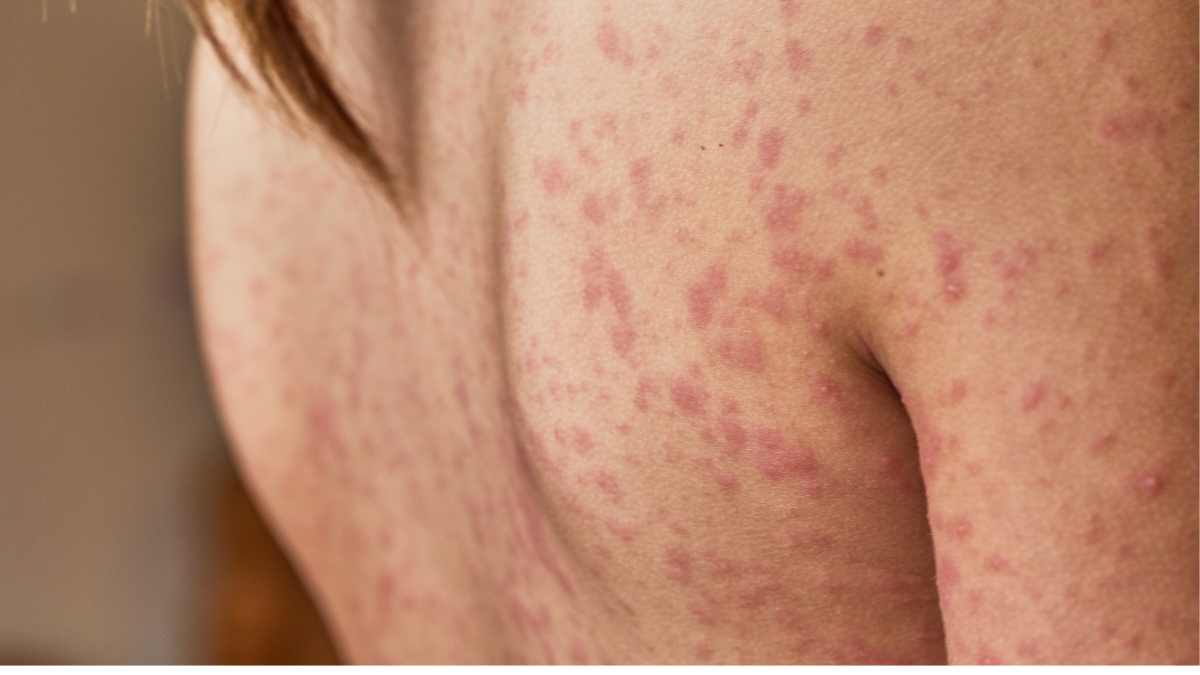
Viral rashes often arise as the body’s immune response to viral infections. They can appear at any stage of the illness, sometimes preceding other symptoms, such as fever or malaise. The rash may manifest in various forms, including macules, papules, vesicles, or urticaria, depending on the specific virus involved. Typically, these rashes are widespread and can cover large areas of the body. The distribution and morphology of the rash can provide essential clues to the underlying viral cause.
In many cases, viral rashes are self-limiting, meaning they resolve without specific treatment as the body fights off the infection. However, the duration and severity of the rash can vary widely. Some rashes may last only a few days, while others can persist for weeks. Accompanying symptoms, such as fever, fatigue, or respiratory symptoms, can also influence the overall clinical picture and help narrow down the potential viral etiology.
The age of the patient can also play a significant role in the presentation of viral rashes. Children are particularly susceptible to viral infections that cause rashes, such as measles, rubella, and roseola. In contrast, adults may experience different viral infections that present with rashes, such as shingles or infections caused by the herpes virus. Understanding these demographic factors is crucial for healthcare providers when assessing a patient with a suspected viral rash.
In summary, viral rashes are diverse in their presentation, influenced by factors such as the type of virus, patient age, and overall health. Recognizing the general characteristics of these rashes is the first step in effective diagnosis and management.
Common Characteristics of Viral Rashes in Patients
Viral rashes often share certain common characteristics that can aid in their identification. Typically, they are erythematous, meaning they appear red and inflamed. This redness is often accompanied by other features such as scaling, vesicles, or pustules, depending on the specific viral agent involved. The texture of the rash can vary, with some appearing smooth while others may be raised or bumpy.
Another hallmark of viral rashes is their tendency to be pruritic, or itchy. Patients may report varying degrees of itchiness, which can significantly impact their comfort and quality of life. This itching is often exacerbated by heat or sweating, leading to further irritation of the rash. In some cases, the rash may also be painful, particularly if it involves vesicular lesions that can rupture and crust over.
The distribution of viral rashes is also noteworthy. They often begin on the face or trunk before spreading to the extremities. This centripetal spread is characteristic of several viral infections, including chickenpox and measles. However, some viral rashes may have a more diffuse distribution, affecting the entire body or localized areas.
Finally, the evolution of the rash is an important characteristic to observe. Viral rashes often change in appearance over time, progressing through various stages such as macules to papules and then to vesicles or crusts. This evolution can provide critical insights into the timing and stage of the underlying viral infection.
Distinguishing Features of Specific Viral Rash Types
Different viral infections can produce distinct rash patterns that help in diagnosis. For instance, measles typically presents with a koplik spot phase, characterized by small white lesions inside the mouth, followed by a confluent rash that starts on the face and spreads downward. The rash is usually dark red and may last for several days, accompanied by high fever and respiratory symptoms.
In contrast, rubella, or German measles, presents with a pink, non-confluent rash that often starts on the face and spreads quickly to the trunk and extremities. This rash is generally less intense than that of measles and is often accompanied by mild fever and lymphadenopathy. Rubella is particularly concerning in pregnant women due to its teratogenic effects.
Another common viral rash is associated with varicella-zoster virus, which causes chickenpox. The rash typically begins as small red spots that develop into vesicles filled with fluid. These vesicles eventually crust over, and the rash can appear in successive crops, leading to lesions at different stages of development. This characteristic progression helps differentiate chickenpox from other viral rashes.
Lastly, herpes simplex virus can cause localized vesicular rashes, often around the mouth (cold sores) or genital area. These lesions are painful and may be preceded by tingling or burning sensations. The presence of grouped vesicles on an erythematous base is a key distinguishing feature of herpes simplex infections.
Diagnostic Approaches for Identifying Viral Rashes
Diagnosing viral rashes involves a comprehensive approach that includes clinical evaluation, patient history, and, in some cases, laboratory testing. A thorough history is crucial, as it can provide insights into potential exposures to infectious agents. Questions about recent illnesses, vaccinations, and travel history can help narrow down the possibilities.
Physical examination plays a pivotal role in diagnosis. Healthcare providers assess the rash’s characteristics, including its distribution, morphology, and associated symptoms. This examination can often lead to a preliminary diagnosis based on clinical findings alone. For instance, the presence of vesicular lesions may suggest a herpes or varicella infection, while a diffuse maculopapular rash may indicate measles or rubella.
In cases where the diagnosis remains uncertain, laboratory tests may be warranted. Polymerase chain reaction (PCR) testing, serology, and viral cultures can help confirm the presence of specific viral pathogens. These tests are particularly useful in atypical presentations or when distinguishing between similar viral infections.
Finally, it is essential to consider differential diagnoses, as many conditions can mimic viral rashes. Conditions such as bacterial infections, allergic reactions, and autoimmune disorders may present with similar skin findings. A careful and systematic approach to diagnosis is vital for ensuring appropriate management and treatment.
Treatment Options and Management for Viral Rashes
Most viral rashes are self-limiting and resolve without specific treatment. Supportive care is often the mainstay of management, focusing on alleviating symptoms. This may include the use of antihistamines to relieve itching, topical corticosteroids to reduce inflammation, and adequate hydration to support the body’s recovery.
In some cases, antiviral medications may be indicated, particularly for infections caused by herpes simplex virus or varicella-zoster virus. Early initiation of antiviral therapy can reduce the severity and duration of symptoms. For example, acyclovir is commonly used for herpes infections, while valacyclovir is effective for treating shingles.
Preventive measures are also crucial in managing viral rashes. Vaccination plays a significant role in preventing many viral infections that cause rashes. Vaccines for measles, rubella, and varicella have significantly reduced the incidence of these diseases and their associated complications.
In addition to medical management, patient education is essential. Patients should be informed about the nature of their viral rash, expected duration, and when to seek further medical attention. Understanding the benign nature of most viral rashes can help alleviate anxiety and promote adherence to treatment recommendations.
When to Seek Medical Attention for Viral Rash Symptoms
While many viral rashes are benign and self-limiting, certain circumstances warrant medical evaluation. Patients should seek immediate attention if they experience severe symptoms, such as difficulty breathing, swelling of the face or throat, or signs of anaphylaxis. These symptoms may indicate a more serious allergic reaction or secondary infection.
Additionally, if the rash is accompanied by high fever, severe headache, stiff neck, or altered mental status, it is crucial to seek medical care promptly. These symptoms may suggest a more serious underlying condition, such as meningitis or encephalitis. Early intervention in these cases can be life-saving.
Patients with compromised immune systems, such as those undergoing chemotherapy or with chronic illnesses, should also consult a healthcare provider if they develop a viral rash. These individuals may be at higher risk for complications and require closer monitoring.
Finally, if a rash persists for an extended period or shows signs of secondary infection, such as increased redness, warmth, or pus, medical evaluation is necessary. Prompt assessment can help prevent complications and ensure appropriate treatment.
Conclusions:
Viral rashes represent a complex interplay of immune response and viral infection. Understanding their presentation, characteristics, and management is critical for effective diagnosis and treatment. While most viral rashes are self-limiting, awareness of distinguishing features and when to seek medical attention can significantly impact patient outcomes. By fostering knowledge and vigilance, both healthcare providers and patients can navigate the challenges posed by viral rashes more effectively.
Read more
- Mayo Clinic – Viral Rashes – A comprehensive overview of viral rashes, including symptoms and treatment options.
- CDC – Measles, Mumps, and Rubella (MMR) Vaccination – Information on the importance of vaccination against viral infections that cause rashes.
- American Academy of Dermatology – Viral Skin Infections – An informative resource on various viral skin infections and their management.
- World Health Organization – Rubella – A fact sheet detailing rubella, its symptoms, and prevention strategies.
- Cleveland Clinic – Chickenpox – Detailed information on chickenpox, including symptoms, treatment, and complications.