

Se hai un abbonamento attivo ACCEDI QUI
Introduction:
Skin rashes can manifest in various forms, and while many are benign, some can indicate underlying health issues that require immediate attention. Understanding the characteristics of worrying rashes is crucial for effective diagnosis and treatment. This article delves into the types of rashes that warrant concern, key visual indicators of serious skin conditions, and when to seek professional help. Additionally, it offers preventative measures and management strategies for skin rashes.
Understanding the Characteristics of Worrying Rashes
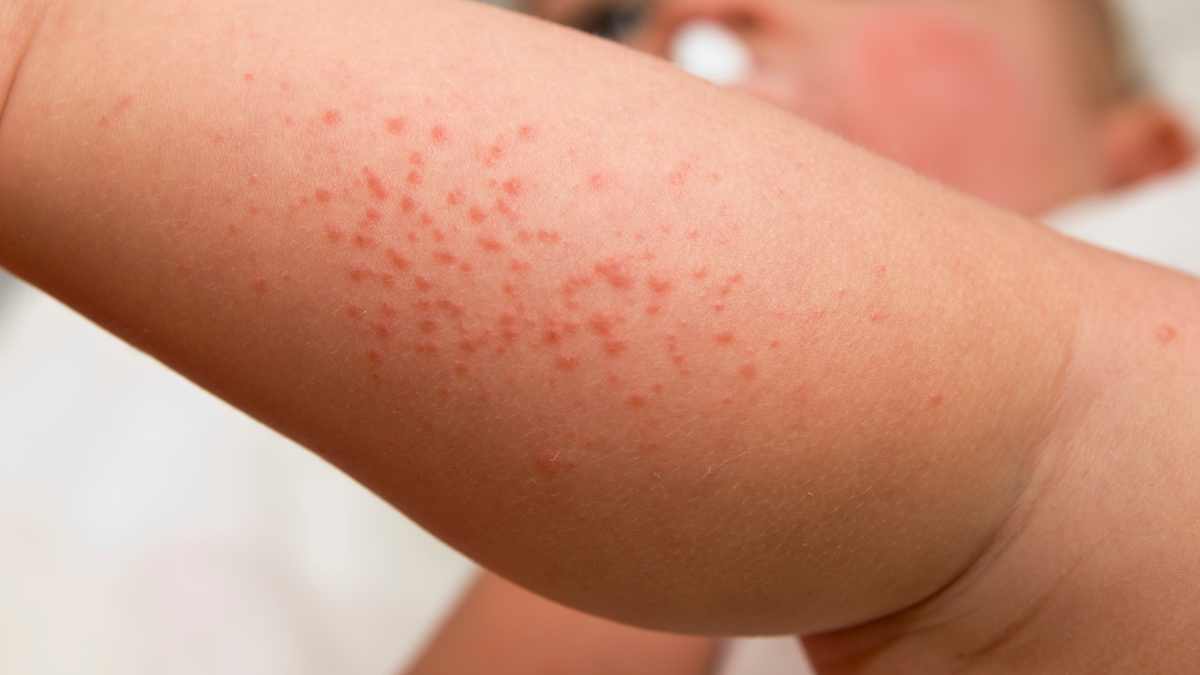
Rashes can vary significantly in appearance, texture, and location on the body. Worrying rashes often exhibit specific characteristics that set them apart from benign skin irritations. For instance, a rash that is persistent, spreading rapidly, or accompanied by other symptoms such as fever or pain should raise red flags. The color of the rash can also be indicative; rashes that are intensely red, purple, or have a dark discoloration may suggest a more serious condition.
Another important characteristic is the texture of the rash. Worrying rashes may be raised, blistered, or weepy, indicating inflammation or infection. These features can help differentiate between a simple allergic reaction and a more complex dermatological issue. Additionally, rashes that are accompanied by systemic symptoms like joint pain, fatigue, or respiratory issues may indicate an autoimmune disorder or systemic infection.
The location of the rash can also provide critical information. Rashes that appear on sensitive areas such as the face, genitals, or mucous membranes are often more concerning than those on less sensitive areas. Furthermore, rashes that develop after exposure to certain allergens, medications, or environmental factors should be carefully monitored, as they may signal a serious allergic reaction or drug eruption.
Lastly, the duration of the rash is a key factor. Rashes that persist beyond a few days, especially those that worsen over time, should be evaluated by a healthcare professional. Understanding these characteristics can empower individuals to make informed decisions about their skin health and seek timely medical intervention when necessary.
Common Types of Rashes That Require Medical Attention
Several types of rashes are commonly recognized as requiring medical attention. Eczema, or atopic dermatitis, can lead to severe itching and discomfort, and may become infected if scratched. While eczema is often manageable with topical treatments, severe cases may necessitate prescription medications or phototherapy. Individuals with a history of eczema should be vigilant, as flare-ups can indicate underlying allergic responses or environmental triggers.
Another concerning rash is psoriasis, which is characterized by thick, red patches covered with silvery scales. This chronic autoimmune condition can lead to significant discomfort and can affect the quality of life. Psoriasis can also have systemic implications, increasing the risk of other health issues, such as cardiovascular disease. Early intervention can help manage symptoms and reduce the risk of complications.
Contact dermatitis is another type of rash that can be alarming. This condition occurs when the skin reacts to an irritant or allergen, leading to red, itchy, and inflamed skin. If the rash does not improve with over-the-counter treatments or if it spreads, medical evaluation is essential to identify the trigger and prevent further exposure.
Lastly, hives or urticaria, which present as raised, itchy welts on the skin, can be a sign of an allergic reaction. If hives are accompanied by difficulty breathing, swelling of the face or throat, or other severe symptoms, immediate medical attention is crucial, as this may indicate anaphylaxis, a life-threatening condition.
Key Visual Indicators of Serious Skin Conditions
When evaluating a rash, certain visual indicators can signal a serious skin condition. For instance, rashes that are accompanied by blisters or pustules may indicate an infection or a severe allergic reaction. Blisters can be painful and may ooze, suggesting that medical intervention is necessary to prevent complications.
Color changes in the skin can also be significant. Rashes that turn dark, especially if they are associated with pain or tenderness, could indicate necrosis or a serious infection. Such changes warrant immediate evaluation, as they may require urgent medical treatment to prevent further tissue damage.
Another key visual indicator is the presence of scaling or crusting. Rashes that develop a crusty appearance may be infected, particularly if they are associated with itching or oozing. Infections like impetigo, which can occur in children, require prompt antibiotic treatment to prevent spreading and complications.
Finally, the distribution of the rash can provide clues to its severity. Rashes that cover large areas of the body or are symmetrical may indicate systemic conditions, such as lupus or drug reactions. Understanding these visual indicators can aid in the early detection of serious skin conditions and facilitate timely medical intervention.
Distinguishing Between Benign and Concerning Rashes
Differentiating between benign and concerning rashes can be challenging, but certain factors can help in making this distinction. Benign rashes often resolve on their own and do not lead to significant discomfort or systemic symptoms. Common examples include mild allergic reactions or irritant contact dermatitis that improve with avoidance of the trigger.
In contrast, concerning rashes are typically associated with additional symptoms. If a rash is accompanied by fever, chills, or malaise, it may indicate an underlying infection or systemic illness. Rashes that cause significant pain or discomfort, or those that disrupt daily activities, should be evaluated by a healthcare professional.
The response to over-the-counter treatments can also be a distinguishing factor. Benign rashes often respond well to topical creams or antihistamines, while concerning rashes may persist or worsen despite treatment. If a rash does not improve within a few days or continues to spread, it is essential to seek medical advice.
Lastly, the patient’s medical history plays a crucial role in distinguishing between rash types. Individuals with a history of autoimmune diseases, allergies, or skin conditions should be particularly cautious, as they may be at higher risk for developing serious rashes. Understanding these distinctions can empower individuals to take appropriate action when faced with a rash.
When to Seek Professional Help for Skin Rashes
Knowing when to seek professional help for a skin rash is crucial for effective management. If a rash is accompanied by systemic symptoms such as fever, fatigue, or joint pain, it is essential to consult a healthcare provider. These symptoms may indicate an underlying condition that requires prompt evaluation and treatment.
Additionally, rashes that do not respond to over-the-counter treatments within a few days should be assessed by a medical professional. Persistent rashes can signal more serious dermatological issues or infections that may require prescription medications or specialized care.
For rashes that appear suddenly and are associated with swelling of the face, difficulty breathing, or widespread hives, immediate medical attention is critical. These symptoms may indicate anaphylaxis, a life-threatening allergic reaction that requires emergency treatment.
Finally, individuals with compromised immune systems or chronic skin conditions should be vigilant about any new or changing rashes. Consulting a healthcare provider in these cases can help prevent complications and ensure appropriate management. Recognizing these situations can lead to timely interventions and better health outcomes.
Preventative Measures and Management of Skin Rashes
Preventing skin rashes involves a combination of good hygiene, awareness of allergens, and proper skin care. Maintaining clean and moisturized skin can help reduce the risk of irritant contact dermatitis and other skin conditions. Regularly applying a suitable moisturizer can create a barrier that protects the skin from environmental factors.
Awareness of potential allergens is also crucial. Identifying and avoiding known triggers, such as certain foods, fragrances, or fabrics, can significantly reduce the likelihood of developing a rash. Keeping a diary of exposures and symptoms can help pinpoint specific allergens and guide future avoidance strategies.
For individuals prone to skin rashes, wearing loose-fitting clothing made from breathable fabrics can minimize irritation. Additionally, using gentle, fragrance-free soaps and detergents can help prevent skin reactions. It is also advisable to avoid hot showers and harsh scrubs, as these can exacerbate sensitive skin.
In cases where rashes do occur, early treatment is essential. Over-the-counter antihistamines and topical corticosteroids can provide relief for mild rashes, while more severe cases may require prescription medications. Consulting with a dermatologist can provide tailored management strategies to prevent future flare-ups and maintain skin health.
Conclusions:
Understanding the characteristics of worrying rashes is essential for identifying when to seek medical attention. By being aware of common types of rashes that require care, key visual indicators of serious conditions, and the importance of timely intervention, individuals can better manage their skin health. Preventative measures, such as maintaining skin hygiene and avoiding known allergens, can also play a significant role in reducing the incidence of rashes.
Read more
- American Academy of Dermatology – Provides comprehensive information on various skin conditions, including rashes and their management.
- Mayo Clinic – Skin Rash – A reliable resource detailing symptoms, causes, and treatment options for skin rashes.
- Cleveland Clinic – Skin Rashes – Offers insights into different types of skin rashes and when to seek medical attention.
- WebMD – Rashes – A user-friendly guide that covers various rashes, their causes, and treatment options.
- National Institutes of Health – Skin Conditions – A government resource providing research-based information on skin health and conditions.