

Introduction:
Heat rash, also known as prickly heat or miliaria, is a common skin condition that occurs when sweat ducts become blocked, leading to discomfort and irritation. This condition is particularly prevalent in hot and humid environments, affecting individuals of all ages. Understanding the visual characteristics and symptoms of heat rash is essential for effective identification and management. This article delves into the definition, symptoms, distinguishing features, contributing factors, diagnostic approaches, and treatment strategies for heat rash.
Understanding Heat Rash: Definition and Overview
Heat rash is a skin condition that arises when sweat cannot escape from the clogged sweat glands, causing inflammation and irritation. This blockage can occur due to excessive sweating, often exacerbated by tight clothing or high humidity. The condition is most commonly observed in infants and young children, but adults can also be affected, particularly during extreme heat or physical exertion.
The rash typically appears in areas where sweat accumulates, such as the neck, back, armpits, and groin. Heat rash can manifest in various forms, ranging from small, red bumps to larger, fluid-filled blisters. While it is generally harmless and resolves on its own, it can cause significant discomfort and itching, prompting individuals to seek relief.
There are several types of heat rash, including miliaria crystallina, miliaria rubra, and miliaria profunda, each with distinct characteristics. Miliaria crystallina is the mildest form, presenting as tiny, clear blisters, while miliaria rubra is more severe, characterized by red, inflamed bumps. Miliaria profunda is the least common and occurs deeper in the skin, leading to larger, flesh-colored bumps.
In summary, heat rash is a common skin condition caused by blocked sweat ducts, resulting in various visual manifestations. Understanding its definition and overview is crucial for recognizing and addressing the symptoms effectively.
Common Symptoms and Visual Characteristics of Heat Rash
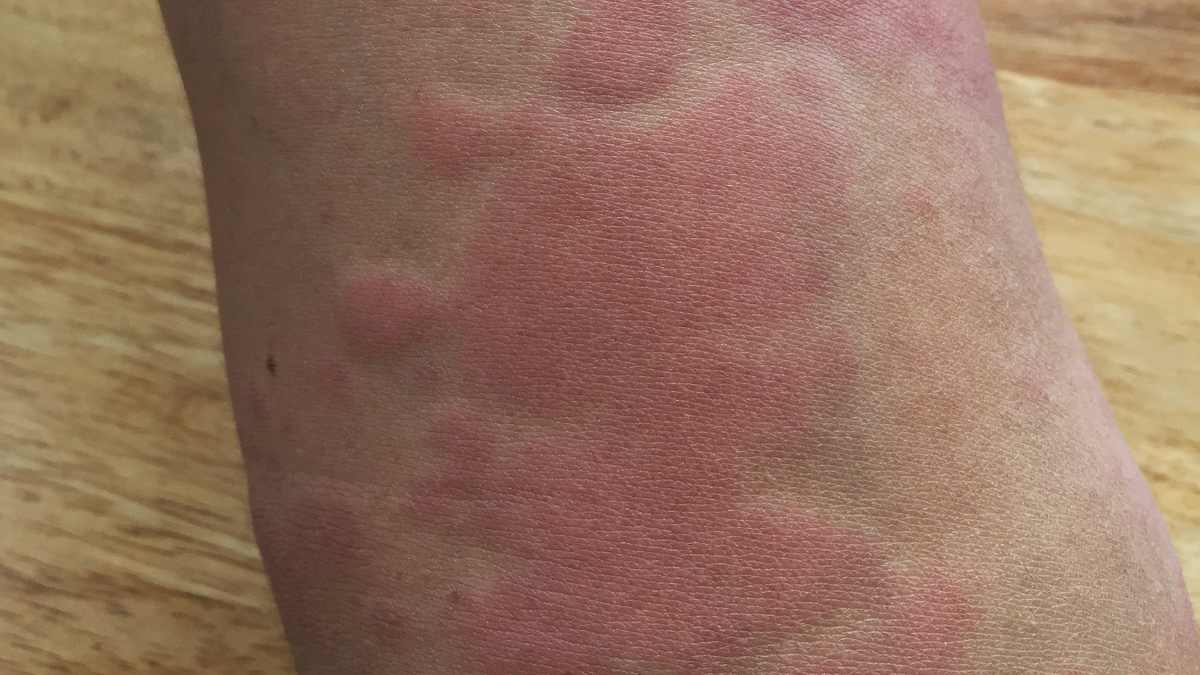
The symptoms of heat rash can vary depending on the type and severity of the condition. The most common visual characteristic is the appearance of small, red bumps or blisters on the skin. These lesions may be surrounded by areas of redness and can cause itching or a prickling sensation, particularly when sweating occurs.
Miliaria crystallina, the mildest form, presents as tiny, clear, fluid-filled vesicles that can easily rupture. These blisters are often mistaken for other skin conditions due to their appearance. In contrast, miliaria rubra features red, raised bumps that can be quite itchy and uncomfortable. This form of heat rash is more likely to occur in adults and can be exacerbated by physical activity or exposure to heat.
In some cases, individuals may experience a burning sensation in addition to itching, particularly in areas where the skin is sensitive or has been exposed to friction. The rash may also become inflamed if scratched, leading to secondary infections. It is essential to monitor the rash for any signs of worsening, such as increased redness, swelling, or pus, which may indicate a bacterial infection.
Overall, recognizing the common symptoms and visual characteristics of heat rash is vital for prompt identification and appropriate management.
Distinguishing Heat Rash from Other Skin Conditions
Differentiating heat rash from other skin conditions is crucial for effective treatment. Conditions such as eczema, contact dermatitis, and folliculitis can present with similar symptoms, making accurate diagnosis challenging. Eczema, for instance, is characterized by dry, itchy patches that may become inflamed and can occur anywhere on the body, while heat rash typically appears in areas prone to sweating.
Contact dermatitis is another condition that can mimic heat rash. It results from an allergic reaction to substances that come into contact with the skin, leading to redness, swelling, and itching. Unlike heat rash, contact dermatitis often has a clear cause, such as exposure to irritants or allergens, and may require different treatment approaches.
Folliculitis, an inflammation of hair follicles, can also resemble heat rash, particularly when small red bumps appear. However, folliculitis is often accompanied by pustules and may be localized to areas with hair growth. Identifying the underlying cause of the rash is essential for determining the appropriate course of action.
In conclusion, distinguishing heat rash from other skin conditions requires careful observation of symptoms and visual characteristics. A thorough understanding of these differences can aid in accurate diagnosis and effective management.
Factors Contributing to the Development of Heat Rash
Several factors can contribute to the development of heat rash, with environmental conditions playing a significant role. High temperatures and humidity levels create an environment conducive to excessive sweating, increasing the likelihood of clogged sweat ducts. This is particularly true in tropical or subtropical climates, where heat rash is more prevalent.
Clothing choices also impact the risk of developing heat rash. Tight-fitting or non-breathable fabrics can trap sweat against the skin, exacerbating the condition. Individuals who engage in physical activities or sports during hot weather are at a higher risk, as increased sweating can overwhelm the body’s ability to regulate temperature.
Certain medical conditions can predispose individuals to heat rash as well. For example, obesity can hinder the body’s ability to cool itself effectively, leading to increased sweating and a higher risk of developing heat rash. Additionally, individuals with certain skin conditions, such as acne or psoriasis, may be more susceptible to heat rash due to compromised skin barriers.
In summary, understanding the various factors contributing to heat rash can help individuals take preventive measures and reduce their risk of developing this uncomfortable condition.
Diagnostic Approaches for Identifying Heat Rash
Diagnosing heat rash typically involves a thorough clinical examination and a review of the patient’s medical history. Healthcare providers will assess the visual characteristics of the rash, including its location, appearance, and associated symptoms. This assessment is crucial for distinguishing heat rash from other skin conditions that may present similarly.
In some cases, a healthcare provider may inquire about recent activities, environmental conditions, and clothing choices to identify potential triggers for the rash. This information can provide valuable insights into the underlying cause of the condition and guide appropriate treatment strategies.
While heat rash is usually diagnosed based on clinical presentation, additional diagnostic tests may be necessary if the rash does not respond to standard treatments or if there are concerns about secondary infections. Skin scrapings or cultures may be performed to rule out bacterial or fungal infections, particularly if the rash exhibits signs of worsening.
Ultimately, a comprehensive diagnostic approach is essential for accurately identifying heat rash and ensuring effective management.
Effective Treatment and Prevention Strategies for Heat Rash
Treatment for heat rash primarily focuses on alleviating symptoms and preventing further irritation. The first step is to cool the affected area by moving to a cooler environment and removing any tight or non-breathable clothing. This can help reduce sweating and minimize discomfort.
Over-the-counter topical treatments, such as hydrocortisone cream or calamine lotion, can provide relief from itching and inflammation. In more severe cases, healthcare providers may prescribe stronger topical corticosteroids to reduce inflammation and promote healing. It is essential to avoid scratching the rash, as this can lead to secondary infections.
Preventive strategies are equally important in managing heat rash. Wearing loose-fitting, breathable clothing made from natural fibers can help facilitate airflow and reduce sweat accumulation. Staying hydrated and avoiding excessive heat exposure, especially during physical activities, can also minimize the risk of developing heat rash.
In summary, effective treatment and prevention strategies for heat rash involve a combination of symptom relief and lifestyle modifications. By understanding these approaches, individuals can better manage their condition and reduce the likelihood of recurrence.
Conclusions:
Heat rash is a common skin condition that can cause discomfort and irritation, particularly in hot and humid environments. Recognizing its symptoms and visual characteristics is essential for effective identification and management. By understanding the factors contributing to heat rash and employing appropriate treatment and prevention strategies, individuals can alleviate symptoms and reduce the risk of recurrence.
Read more
- Mayo Clinic – Heat Rash – Comprehensive overview of heat rash, including symptoms, causes, and treatment options.
- American Academy of Dermatology – Heat Rash – Detailed information on heat rash, its symptoms, and prevention strategies.
- Cleveland Clinic – Heat Rash: Causes, Symptoms, and Treatment – Insights into the causes, symptoms, and effective treatments for heat rash.
- Healthline – Heat Rash: Symptoms, Causes, and Treatment – An informative guide covering the symptoms, causes, and treatment options for heat rash.
- WebMD – Heat Rash: Overview – A resourceful article discussing the symptoms, causes, and remedies for heat rash.