

Introduction:
A rash that does not fade under pressure from a glass slide can be a significant indicator of underlying health issues. This phenomenon, known as the "glass test," helps differentiate between various types of skin lesions. Understanding the characteristics, differential diagnoses, and treatment options for such persistent rashes is crucial for effective management and patient care. This article aims to provide a comprehensive overview of rashes that do not disappear under glass, their implications, and when to seek further medical advice.
Understanding the Characteristics of Persistent Rashes
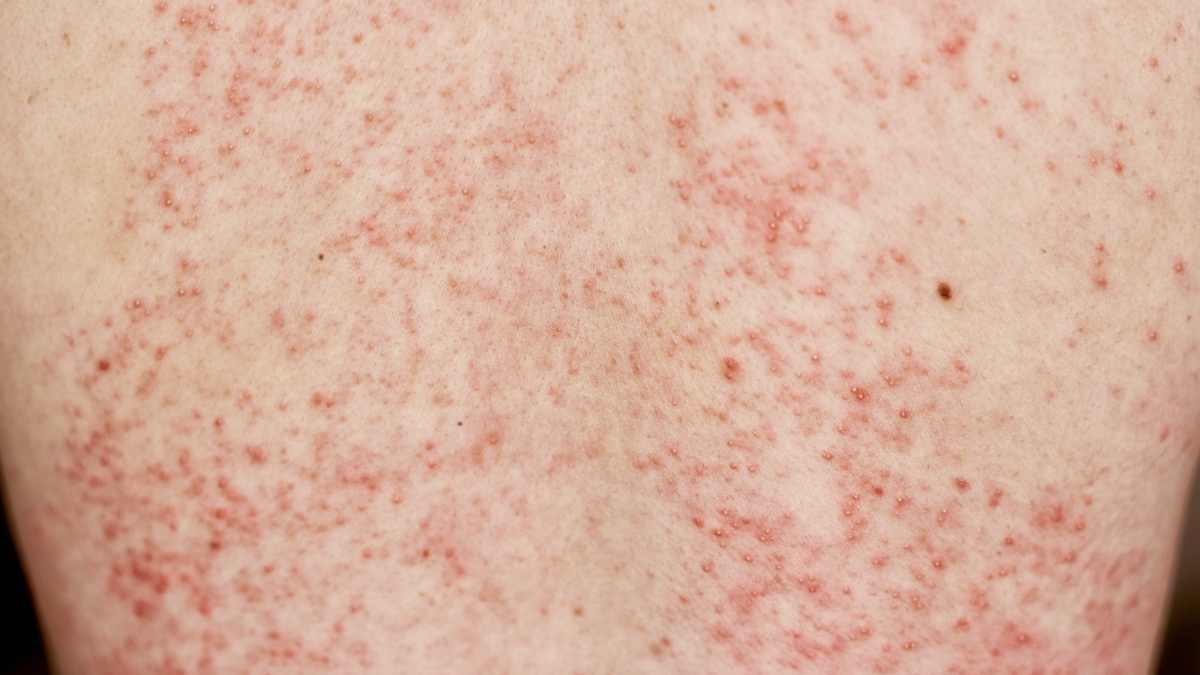
Persistent rashes are skin lesions that remain visible despite external pressure. This characteristic can indicate a range of dermatological conditions. Typically, these rashes are inflammatory or vascular in nature, meaning they may involve blood vessels or immune responses that do not resolve easily. Common features include redness, swelling, and sometimes blistering, which can lead to discomfort or pain for the affected individual.
The appearance of a rash can vary widely. Some may be flat and discolored, while others might be raised or bumpy. The texture can also differ, with some rashes being scaly, smooth, or even crusty. Additionally, the distribution of the rash can provide valuable clues; for instance, localized rashes may suggest contact dermatitis, while generalized rashes could indicate systemic issues.
Another important characteristic is the duration of the rash. Rashes that persist for weeks or months are typically more concerning than those that resolve quickly. Chronicity can suggest underlying conditions such as autoimmune disorders, infections, or even malignancies. Understanding these characteristics is essential for healthcare professionals when evaluating a patient’s skin condition.
Finally, accompanying symptoms such as itching, burning, or pain can also provide insight into the nature of the rash. For example, a rash that itches may indicate an allergic reaction, while one that is painful could suggest an infection or inflammatory process. Recognizing these features helps in forming a preliminary assessment before further diagnostic steps are taken.
Differential Diagnosis: Common Causes of Non-Resolving Rashes
When evaluating a rash that does not fade under glass, several common conditions must be considered. One of the primary culprits is vasculitis, an inflammation of the blood vessels that can lead to persistent skin changes. This condition can manifest as purpura or petechiae, which are small, red or purple spots on the skin that do not blanch under pressure.
Another significant cause is eczema, particularly in its chronic form. Atopic dermatitis can lead to persistent rashes that are often itchy and inflamed. In some cases, secondary infections can complicate the presentation, making the rash appear more severe. Identifying the type of eczema is crucial for determining the appropriate treatment.
Psoriasis is another condition that can lead to rashes that do not resolve easily. This autoimmune disorder is characterized by thick, red patches covered with silvery scales. The chronic nature of psoriasis means that patients often experience flare-ups, and the rashes can be resistant to treatment.
Lastly, infections such as fungal or viral infections can also present as persistent rashes. For example, tinea corporis (ringworm) can cause circular, itchy patches that may not resolve without antifungal treatment. Identifying the specific cause of a persistent rash is essential for effective management and treatment.
The Role of Glass Test in Dermatological Assessments
The glass test, also known as the diascopy test, is a simple yet effective diagnostic tool used by dermatologists. This test involves pressing a clear glass slide against the skin to observe how the rash reacts. If the rash blanches or fades under pressure, it usually indicates that the lesion is vascular in nature, such as a bruise or a telangiectasia.
In contrast, rashes that do not fade under glass suggest a different underlying pathology. This can include conditions such as petechiae, purpura, or certain types of dermatitis. The inability of the rash to blanch indicates that the underlying blood vessels are likely inflamed or that there is extravasation of blood into the skin.
The glass test is particularly useful in differentiating between various types of rashes. For instance, it can help distinguish between a vascular lesion and a non-vascular one, guiding the clinician towards a more accurate diagnosis. This simple test can save time and resources by narrowing down the differential diagnosis early in the assessment.
However, it is essential to note that while the glass test is a valuable tool, it should not be used in isolation. A comprehensive clinical evaluation, including patient history and other diagnostic tests, is necessary to arrive at an accurate diagnosis. The glass test serves as one piece of the puzzle in understanding a patient’s skin condition.
Clinical Implications of Rashes That Do Not Fade
Rashes that do not resolve under glass can have significant clinical implications. They may indicate underlying systemic conditions that require immediate attention. For example, persistent petechiae can be a sign of thrombocytopenia or other hematological disorders, necessitating further investigation and management.
Moreover, chronic rashes can impact a patient’s quality of life. Conditions such as psoriasis and eczema not only cause physical discomfort but can also lead to psychological distress, including anxiety and depression. Understanding the emotional and social implications of these rashes is essential for holistic patient care.
In some cases, rashes that do not fade can also be indicative of more severe conditions, such as malignancies. For instance, certain skin cancers can present as non-blanching lesions that may be mistaken for benign conditions. Early detection and intervention are crucial for improving patient outcomes in such scenarios.
Finally, the persistence of a rash can lead to complications such as secondary infections or scarring. Patients with chronic skin conditions may experience flare-ups that exacerbate their symptoms, leading to a cycle of discomfort and further skin damage. Addressing the root cause of the rash is vital to prevent these complications.
Treatment Options for Persistent Rashes and Their Efficacy
The treatment of rashes that do not fade under glass varies depending on the underlying cause. For inflammatory conditions like eczema and psoriasis, topical corticosteroids are often the first line of treatment. These medications help reduce inflammation and alleviate symptoms, providing relief for many patients.
In cases of vasculitis or other systemic conditions, more aggressive treatments may be necessary. Immunosuppressive therapies, such as corticosteroids or biologics, can be effective in managing these conditions. However, these treatments come with potential side effects and require careful monitoring by healthcare professionals.
Antifungal or antiviral medications may be indicated for persistent rashes caused by infections. For instance, tinea corporis requires topical or systemic antifungals, while viral rashes may necessitate antiviral therapies. The choice of treatment depends on accurate diagnosis and the severity of the condition.
Finally, patient education and lifestyle modifications play a crucial role in managing chronic rashes. Educating patients about triggers, skincare routines, and the importance of adherence to treatment can significantly improve outcomes. A multidisciplinary approach, involving dermatologists, primary care physicians, and mental health professionals, is often beneficial for comprehensive care.
When to Seek Specialist Consultation for Skin Conditions
Patients experiencing persistent rashes that do not fade under glass should consider seeking specialist consultation. A dermatologist can provide a thorough evaluation and may perform additional tests to determine the underlying cause. Early referral is particularly important for rashes associated with systemic symptoms or those that are rapidly changing.
Moreover, if a rash is accompanied by other concerning symptoms—such as fever, fatigue, or unexplained weight loss—immediate medical attention is warranted. These symptoms can indicate more serious underlying conditions that require prompt intervention.
Patients should also seek specialist advice if over-the-counter treatments fail to provide relief. Chronic rashes that do not respond to standard therapies may require more advanced treatment options. Dermatologists can offer specialized therapies tailored to the individual’s condition.
Finally, individuals experiencing significant psychological distress related to their skin condition should not hesitate to seek help. Mental health is an essential component of overall well-being, and addressing the emotional impact of chronic skin conditions is vital. A collaborative approach can lead to better management and improved quality of life.
Conclusions:
Understanding rashes that do not disappear under glass is essential for effective diagnosis and treatment. By recognizing the characteristics, potential causes, and treatment options, healthcare professionals can provide better care for patients. Early intervention and specialist consultation can significantly improve outcomes and enhance the quality of life for individuals affected by persistent skin conditions.
Read more
- American Academy of Dermatology – Skin Rashes – A comprehensive resource on various skin rashes, their causes, and treatments.
- Mayo Clinic – Skin Rash – Detailed information on skin rashes, including symptoms and when to seek medical help.
- National Eczema Association – Eczema – A resource dedicated to eczema, providing information on management and treatment options.
- Cleveland Clinic – Psoriasis – An overview of psoriasis, its symptoms, and treatment strategies.
- DermNet NZ – Vascular Skin Lesions – An informative guide on vascular skin lesions, including diagnostic approaches and management.