

Introduction:
A rash that resembles a map can be a perplexing and concerning symptom for many individuals. Often characterized by irregular, patchy areas of skin that may vary in color and texture, these rashes can arise from various underlying conditions. Understanding the nature of these rashes, their associated symptoms, and the necessary steps for diagnosis and treatment is crucial for effective management. This article aims to provide a comprehensive overview of map-like rashes, their common causes, diagnostic approaches, treatment options, preventative measures, and when to seek medical attention.
Understanding Map-Like Rashes: An Overview of Symptoms
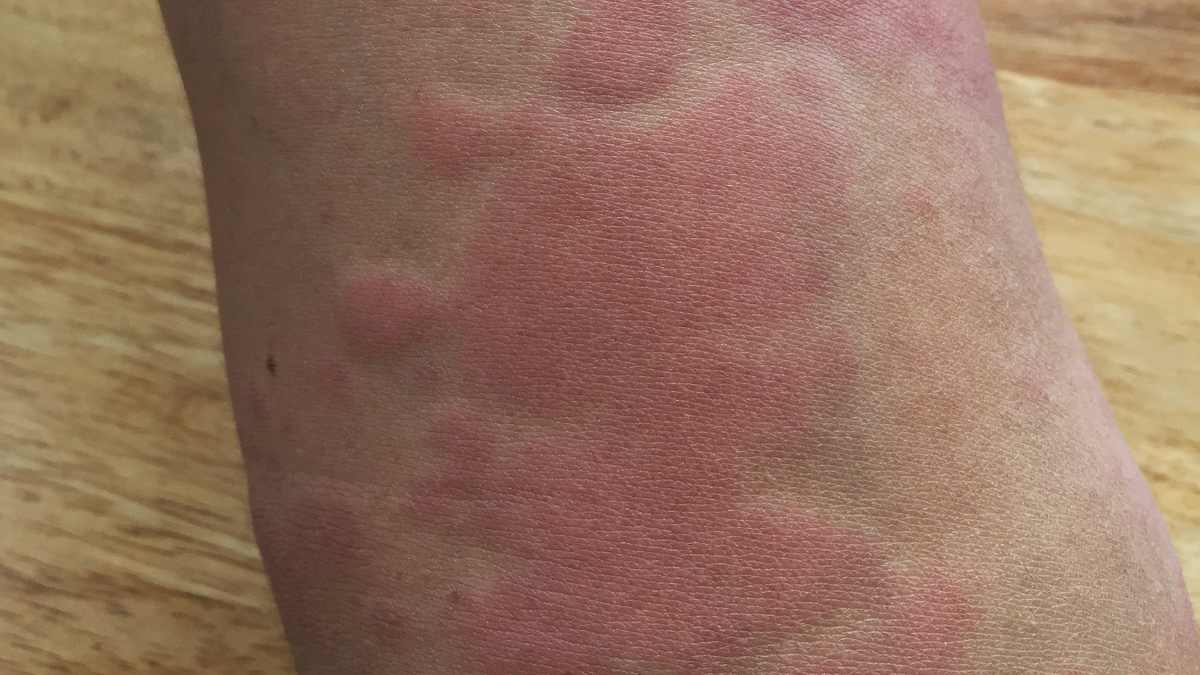
Map-like rashes typically present as irregular, often asymmetrical patches on the skin that can vary in size and shape. These rashes may be red, brown, or even skin-toned, and their borders are often indistinct, giving them a cartographic appearance. Patients may experience accompanying symptoms such as itching, burning, or tenderness, which can vary in intensity. The affected areas might also exhibit changes in texture, appearing scaly or smooth depending on the underlying cause.
In some cases, map-like rashes can be transient, appearing and disappearing within days, while in other instances, they may persist for weeks or months. The distribution of these rashes can be localized to specific areas of the body or may be more widespread, affecting larger regions. This variability in presentation can make it challenging for both patients and healthcare providers to identify the underlying cause without further investigation.
Additionally, the appearance of a map-like rash can be influenced by factors such as environmental triggers, personal health history, and genetic predispositions. Understanding these nuances is essential for accurate diagnosis and effective treatment. Patients should take note of any other symptoms they may be experiencing, as these can provide valuable clues in determining the cause of the rash.
Finally, it is important to recognize that map-like rashes can occur in individuals of all ages and skin types. While some may be benign and self-limiting, others can indicate more serious underlying health issues. Therefore, a thorough understanding of the symptoms associated with these rashes is vital for effective management.
Common Conditions Associated with Map-Like Rashes
Several dermatological conditions can manifest as map-like rashes. One common cause is erythema migrans, which is often associated with Lyme disease. This rash typically appears as a circular, expanding lesion with a central clearing, resembling a map. Other symptoms of Lyme disease may include fever, fatigue, and joint pain. Early diagnosis and treatment are crucial to prevent more severe complications.
Another condition that may present as a map-like rash is psoriasis, particularly in its guttate form, which can appear as small, drop-shaped lesions that may coalesce into larger patches. Psoriasis is a chronic autoimmune condition that can significantly impact a person’s quality of life. It is often characterized by silvery scales and can be triggered by stress, infections, or certain medications.
Tinea corporis, commonly known as ringworm, is another fungal infection that can cause a map-like rash. This condition typically presents as red, itchy patches with raised borders and clear centers. It is essential to differentiate between fungal infections and other skin conditions to ensure appropriate treatment.
Lastly, contact dermatitis can also lead to map-like rashes, particularly when the skin reacts to allergens or irritants. These rashes often appear in specific patterns based on the exposure and can be accompanied by intense itching. Identifying the trigger is key to managing contact dermatitis effectively.
Diagnostic Approaches for Identifying Map-Like Rashes
To accurately diagnose a map-like rash, healthcare providers typically begin with a thorough medical history and physical examination. This initial assessment allows the clinician to gather information about the patient’s symptoms, potential triggers, and duration of the rash. A detailed history can reveal important clues, such as recent travel, exposure to allergens, or a family history of skin conditions.
In some cases, further diagnostic tests may be necessary. These can include skin scrapings, biopsies, or patch testing to identify specific allergens. For instance, if a fungal infection is suspected, a skin scraping may be examined under a microscope to confirm the diagnosis. Biopsies can help differentiate between various dermatological conditions and rule out more serious diseases.
Laboratory tests may also be employed to assess for underlying systemic issues. Blood tests can help identify infections, autoimmune disorders, or other health conditions that may be contributing to the rash. This comprehensive approach ensures that all potential causes are considered before arriving at a diagnosis.
Finally, collaboration with dermatologists or allergists may be warranted in complex cases. These specialists can provide additional insights and advanced testing options to accurately diagnose and manage map-like rashes. A multidisciplinary approach can enhance the accuracy of the diagnosis and improve patient outcomes.
Treatment Options for Map-Like Rashes: A Clinical Perspective
The treatment of map-like rashes is highly dependent on the underlying cause. For instance, if the rash is due to an infection, such as tinea corporis, antifungal medications may be prescribed to eliminate the fungal elements. In cases of erythema migrans associated with Lyme disease, antibiotics are the primary treatment option to prevent further complications.
For inflammatory conditions like psoriasis, topical corticosteroids and immunomodulators may be employed to reduce inflammation and control symptoms. In severe cases, systemic treatments, including biologics, may be considered. These therapies target specific pathways in the immune system to provide relief from chronic symptoms.
If the rash is attributed to contact dermatitis, identifying and avoiding the irritant or allergen is crucial. Topical steroids can also help alleviate inflammation and itching associated with the rash. In some cases, antihistamines may be recommended to manage severe itching.
Finally, symptomatic treatment may be necessary for rashes that do not have a clear underlying cause. Moisturizers, anti-itch creams, and other topical agents can provide relief and improve skin barrier function. A tailored approach based on individual patient needs is essential for effective management.
Preventative Measures for Map-Like Rash Development
Preventing the occurrence of map-like rashes often involves identifying and avoiding known triggers. For individuals with a history of allergic reactions or contact dermatitis, it is crucial to recognize potential irritants and allergens in their environment. This may include avoiding certain skincare products, fabrics, or chemicals that have previously caused reactions.
For those prone to infections like tinea corporis, maintaining good hygiene and avoiding shared personal items can significantly reduce the risk of transmission. Regularly washing and drying the skin, especially in warm and humid conditions, can help prevent fungal infections.
In the case of autoimmune conditions such as psoriasis, stress management and lifestyle modifications may play a vital role in preventing flare-ups. Engaging in regular physical activity, maintaining a balanced diet, and avoiding known triggers can help manage symptoms more effectively.
Finally, vaccination and preventive healthcare measures are essential for reducing the risk of infections that may lead to map-like rashes. Staying informed about potential health risks, particularly in endemic areas for diseases like Lyme disease, can aid in prevention. Awareness and education are key components in minimizing the risk of developing these rashes.
When to Seek Medical Attention for Map-Like Rashes
It is important for individuals to recognize when a map-like rash warrants medical attention. If the rash is accompanied by systemic symptoms such as fever, chills, or significant discomfort, it is advisable to seek prompt medical evaluation. These symptoms may indicate a more serious underlying condition that requires immediate intervention.
Additionally, if the rash persists for an extended period or worsens despite home treatment, consulting a healthcare provider is essential. Persistent rashes can be indicative of chronic conditions that may require specialized care and management.
For individuals experiencing significant itching, pain, or changes in the appearance of the rash, medical evaluation can help determine the appropriate course of action. This is particularly relevant if the rash is affecting daily activities or quality of life.
Lastly, if there is any suspicion of an allergic reaction or if the rash develops after exposure to a known allergen, seeking medical advice is crucial. Early intervention can prevent complications and provide relief from uncomfortable symptoms.
Conclusions:
Map-like rashes can be a complex and multifaceted symptom, often indicating a variety of underlying conditions. Understanding the symptoms, associated conditions, diagnostic approaches, treatment options, and preventative measures is essential for effective management. By recognizing when to seek medical attention, individuals can ensure timely and appropriate care, ultimately improving their quality of life.
Read more
- American Academy of Dermatology – Erythema Migrans – A comprehensive overview of erythema migrans, its causes, symptoms, and treatment options.
- National Psoriasis Foundation – Psoriasis Overview – Detailed information about psoriasis, including types, symptoms, and management strategies.
- Mayo Clinic – Ringworm – Insights into ringworm, its symptoms, causes, and treatment options.
- Cleveland Clinic – Contact Dermatitis – An overview of contact dermatitis, including causes, symptoms, and treatment approaches.
- Centers for Disease Control and Prevention – Lyme Disease – A resource for understanding Lyme disease, its symptoms, prevention, and treatment.