

Se hai un abbonamento attivo ACCEDI QUI
Introduction:
Skin conditions can manifest in various forms, often leading to confusion regarding their nature and implications. Among these, rashes that transition into bruises can be particularly concerning. Understanding the underlying mechanisms, causes, and treatment options is crucial for effective management. This article delves into the complexities of rashes that evolve into bruises, providing a comprehensive overview of their characteristics, pathophysiology, and clinical significance.
Understanding Rashes: Definitions and Characteristics
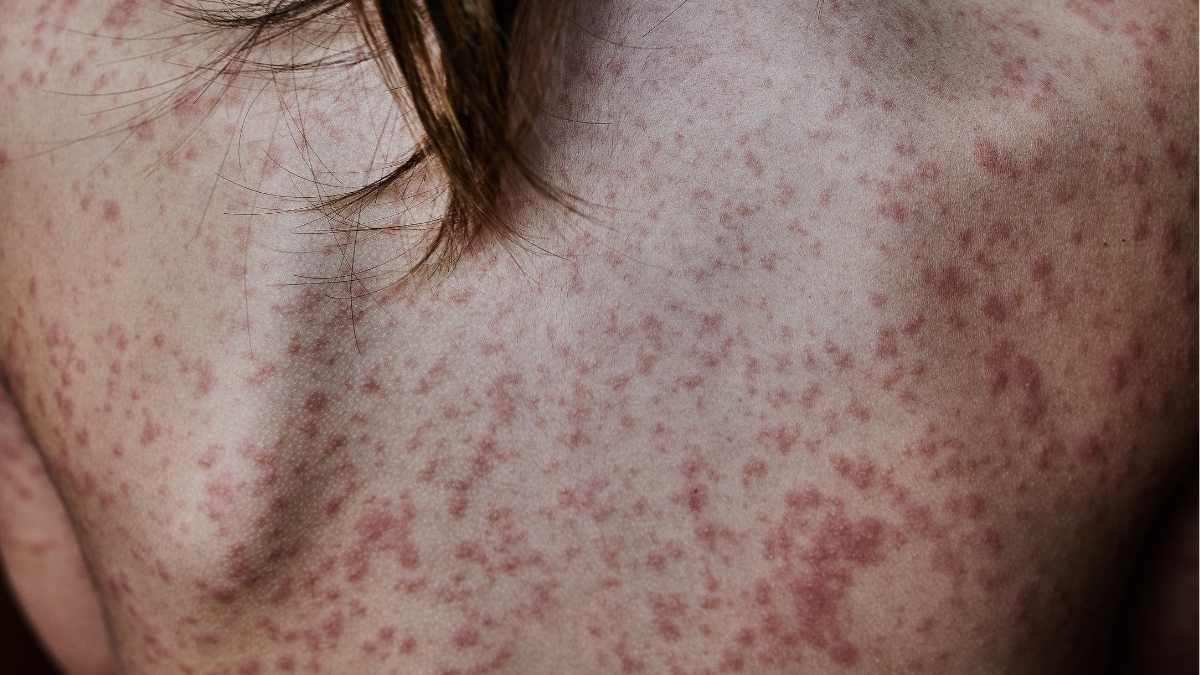
A rash is a broad term used to describe any change in the skin’s appearance, which may include redness, swelling, and lesions. Rashes can arise from numerous factors, including infections, allergic reactions, and autoimmune disorders. They may present in various forms, such as macules, papules, or vesicles, and can be localized or widespread. The characteristics of a rash, including its color, texture, and distribution, are vital for diagnosis.
Rashes often signify an underlying condition that may require medical attention. They can be itchy, painful, or asymptomatic, and their appearance can change over time. Understanding the specific features of a rash is essential for identifying its etiology. For instance, a rash that is blistering may suggest a viral infection, while a scaly rash could indicate a dermatological condition like psoriasis.
Moreover, rashes can evolve, presenting new symptoms as they progress. In some cases, a rash may be accompanied by other systemic symptoms such as fever, malaise, or joint pain, indicating a more serious underlying condition. This progression can lead to further complications, including the development of bruising, which warrants careful evaluation.
The diagnostic approach to rashes involves a thorough history and physical examination. Clinicians often consider the patient’s medical history, recent exposures, and any associated symptoms to formulate a differential diagnosis. This comprehensive assessment is crucial for determining the appropriate management plan.
Pathophysiology of Rashes Transitioning to Bruises
The transition of a rash into a bruise typically involves a complex interplay of vascular changes and inflammatory processes. Bruising, or ecchymosis, occurs when blood vessels break, allowing blood to seep into the surrounding tissue. This can happen due to trauma, but in the context of a rash, it may result from underlying vascular inflammation or increased fragility of blood vessels.
In certain conditions, such as vasculitis or thrombocytopenia, the integrity of blood vessels is compromised, leading to spontaneous bruising. Inflammatory mediators released during a rash can also increase vascular permeability, contributing to the development of bruises. This pathophysiological mechanism underscores the importance of understanding the underlying causes of both rashes and bruising.
Additionally, the immune response plays a significant role in this transition. Inflammatory cells can infiltrate the skin, causing damage to blood vessels and resulting in localized bleeding. Conditions like Henoch-Schönlein purpura exemplify this phenomenon, where a rash characterized by palpable purpura can evolve into bruising due to small vessel vasculitis.
Understanding the pathophysiology of rashes that become bruises is essential for clinicians to identify potential complications and guide treatment decisions. Recognizing the signs of vascular involvement can lead to timely interventions that may prevent further morbidity.
Common Causes of Rashes That Develop into Bruises
Several conditions can lead to rashes that may transition into bruises. Allergic reactions are among the most common culprits. Allergic contact dermatitis can cause localized rashes, and in some cases, the resulting inflammation may weaken blood vessels, leading to bruising. Similarly, systemic allergic reactions, such as anaphylaxis, can present with widespread urticaria and subsequent bruising.
Infectious diseases, particularly viral infections, can also lead to this phenomenon. For instance, viral exanthems such as those caused by the measles or rubella virus can present with rashes that may be accompanied by petechiae or bruising due to vasculitis. Bacterial infections, such as meningococcemia, can cause purpuric rashes that rapidly progress to bruising.
Autoimmune conditions, such as lupus erythematosus or dermatomyositis, can also present with rashes that evolve into bruises. In these cases, the immune system attacks the body’s tissues, leading to inflammation of blood vessels and subsequent bruising. Understanding these associations is vital for clinicians in making accurate diagnoses.
Lastly, hematological disorders such as thrombocytopenia or hemophilia can predispose individuals to bruising following minor skin rashes. These conditions affect the blood’s ability to clot, making even minor injuries or inflammatory processes more likely to result in significant bruising.
Diagnostic Approaches for Rashes and Bruising Symptoms
When evaluating a patient with a rash that transitions into bruising, a thorough clinical assessment is essential. This includes obtaining a detailed medical history, focusing on the onset, duration, and progression of the rash and bruising. Information regarding any recent infections, medications, or allergic exposures can provide critical insights into the underlying cause.
Physical examination plays a crucial role in the diagnostic process. Clinicians should assess the characteristics of the rash, including its distribution, morphology, and associated symptoms. The presence of systemic signs, such as fever or joint pain, may indicate a more serious underlying condition that requires immediate attention.
Laboratory investigations are often necessary to further elucidate the cause of the rash and bruising. Complete blood counts can help identify hematological disorders, while specific tests for autoimmune diseases or infections may be warranted based on clinical suspicion. Skin biopsies may also be considered to provide histological evidence of underlying conditions.
In some cases, imaging studies may be required to assess for deeper vascular involvement or to rule out other causes of bruising, such as trauma or tumors. A multidisciplinary approach, involving dermatologists, hematologists, or rheumatologists, may be beneficial in complex cases to ensure comprehensive evaluation and management.
Treatment Options for Rashes Complicated by Bruising
The treatment of rashes that evolve into bruises is largely dependent on the underlying cause. For allergic reactions, the primary approach involves identifying and avoiding the allergen, alongside the use of antihistamines or corticosteroids to reduce inflammation and itching. In cases of severe reactions, systemic corticosteroids may be necessary.
Infectious causes of rashes and bruising require targeted therapy. Antiviral medications may be indicated for viral infections, while bacterial infections may necessitate the use of antibiotics. Supportive care, including hydration and pain management, is also essential to promote recovery.
For autoimmune conditions, immunosuppressive therapies such as corticosteroids or disease-modifying agents may be required to control the underlying inflammatory process. In cases of vasculitis, additional treatments like plasmapheresis or intravenous immunoglobulin (IVIG) may be indicated to manage severe symptoms.
In instances where bruising is due to hematological disorders, treatment may involve addressing the underlying coagulopathy. This could include platelet transfusions for thrombocytopenia or factor replacement for hemophilia. Close monitoring and follow-up are essential to ensure that the treatment is effective and to prevent further complications.
When to Seek Medical Attention for Skin Changes
Patients experiencing a rash that evolves into bruising should be aware of specific warning signs that necessitate medical evaluation. Rapid progression of the rash or bruising, especially if accompanied by systemic symptoms such as fever, chills, or joint pain, warrants immediate medical attention. These signs may indicate a serious underlying condition that requires prompt intervention.
Additionally, if the rash or bruising is associated with significant pain, swelling, or changes in skin color, it is crucial to seek medical advice. Such symptoms may suggest complications such as infection or necrosis, which could require urgent care. Patients should also be vigilant for any signs of anaphylaxis, such as difficulty breathing or swelling of the face and throat, which require emergency intervention.
For individuals with a history of bleeding disorders or those on anticoagulant therapy, any new or unexplained bruising should prompt immediate consultation with a healthcare provider. These patients are at increased risk for complications, and timely evaluation is essential to manage their condition effectively.
Finally, patients should not hesitate to seek a second opinion if they feel their concerns are not being adequately addressed. Proactive engagement in one’s healthcare is vital, especially when dealing with complex skin changes that may have significant implications for overall health.
Conclusions:
Rashes that transition into bruises can be indicative of various underlying conditions, ranging from benign allergic reactions to serious systemic diseases. Understanding the characteristics, pathophysiology, and treatment options associated with these skin changes is crucial for effective management. Patients should remain vigilant for concerning symptoms and seek medical attention when necessary to ensure appropriate care and prevent complications.
Read more
- American Academy of Dermatology – Rashes – A comprehensive overview of various types of rashes, their causes, and treatments.
- Mayo Clinic – Skin Rash – Detailed information on skin rashes, including symptoms and when to seek medical help.
- Cleveland Clinic – Bruises – An informative article discussing the causes and treatment of bruises.
- National Institutes of Health – Vasculitis – A resource on vasculitis, its symptoms, and its relationship to skin changes.
- WebMD – Autoimmune Disorders – A detailed guide on autoimmune disorders and their potential skin manifestations.