

Introduction:
Skin rashes are common dermatological issues that can arise from various causes, including allergies, infections, and irritants. When these rashes become infected or show signs of bacterial involvement, antibiotic creams can be an effective treatment option. This article explores the best antibiotic creams for skin rashes, examining their roles, key ingredients, and application guidelines, while also addressing potential side effects and precautions.
Understanding Skin Rashes: Causes and Symptoms Explained
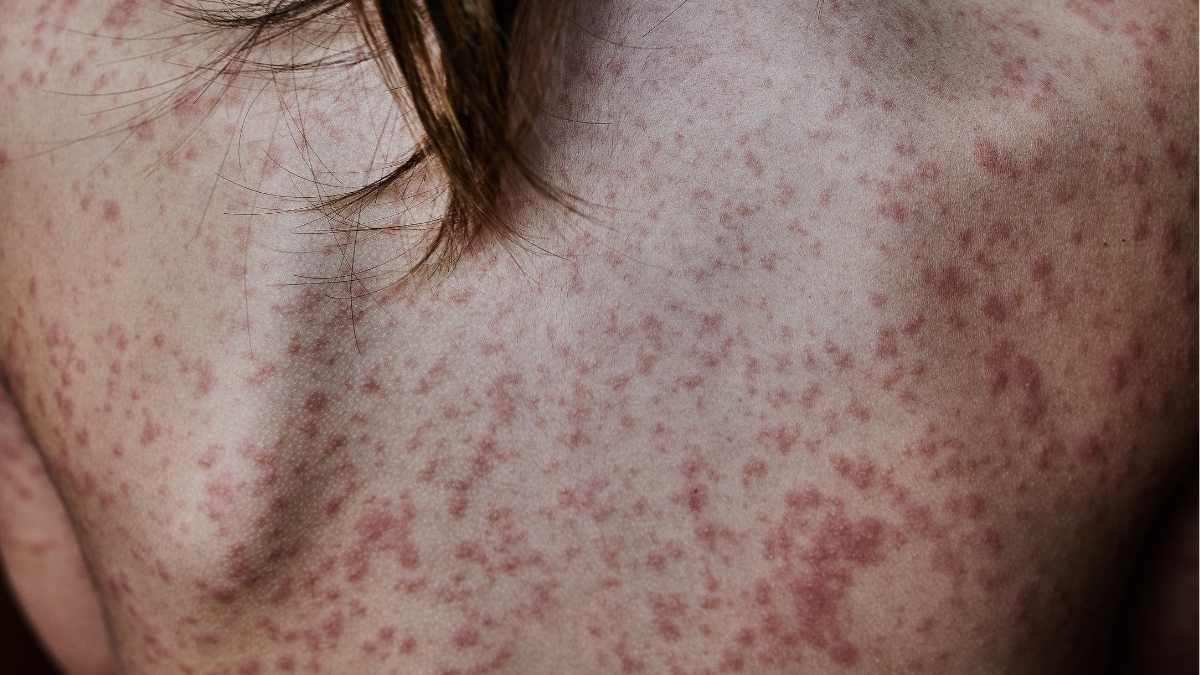
Skin rashes manifest as changes in skin color, texture, or appearance, often accompanied by symptoms such as itching, redness, and swelling. They can result from a myriad of causes, including allergic reactions to substances like soaps, detergents, or certain foods. Additionally, environmental factors such as heat and humidity can exacerbate skin conditions, leading to rashes that require medical attention.
Infectious agents, including bacteria, fungi, and viruses, can also lead to skin rashes. For instance, bacterial infections like impetigo or folliculitis can present as red, swollen areas that may ooze or crust over. These infections often necessitate the use of topical antibiotics to promote healing and prevent further complications.
Another significant cause of skin rashes is autoimmune disorders such as psoriasis or eczema, where the body’s immune system mistakenly attacks healthy skin cells. These conditions can lead to chronic rashes that may require ongoing management, including the use of medicated creams.
Symptoms of skin rashes can vary widely, but common indicators include itchiness, burning sensations, and discomfort. Identifying the underlying cause of a rash is crucial for effective treatment, as it informs the choice of topical medications, including antibiotic creams.
The Role of Antibiotic Creams in Treating Skin Conditions
Antibiotic creams play a vital role in managing skin conditions that involve bacterial infections. They are designed to combat specific bacteria that may be causing or exacerbating a rash. By applying these creams directly to the affected area, patients can often achieve localized treatment, minimizing the risk of systemic side effects associated with oral antibiotics.
These topical treatments are particularly beneficial for conditions like impetigo, where the skin is infected with bacteria such as Staphylococcus aureus or Streptococcus pyogenes. Antibiotic creams can help clear the infection, reduce inflammation, and promote faster healing of the skin.
Moreover, antibiotic creams can be used as a preventive measure in cases where there is a high risk of infection, such as after skin injuries or surgeries. By applying these creams, patients can help safeguard against bacterial colonization, which can lead to more severe infections.
However, it is essential to note that not all skin rashes require antibiotic treatment. Overuse of antibiotics can contribute to antibiotic resistance, making it crucial to use these medications judiciously and only when necessary.
Key Ingredients in Effective Antibiotic Cream Formulations
When selecting an antibiotic cream, understanding the key ingredients is essential for effective treatment. Common active ingredients include bacitracin, neomycin, and polymyxin B. Bacitracin is a powerful antibiotic that targets Gram-positive bacteria, making it effective for treating superficial skin infections.
Neomycin, another widely used ingredient, is effective against a broad spectrum of bacteria, including those responsible for skin infections. However, it is important to note that some individuals may develop allergic reactions to neomycin, which can lead to further skin irritation.
Polymyxin B is often combined with other antibiotics to provide a synergistic effect, enhancing the overall efficacy of the cream. This combination approach can be particularly effective in treating mixed bacterial infections that may occur with skin rashes.
In addition to these antibiotics, many formulations also include anti-inflammatory agents such as hydrocortisone, which can help reduce redness and swelling associated with rashes. This combination can provide a more comprehensive treatment approach, addressing both the infection and the inflammatory response.
Top Antibiotic Creams: A Comparative Analysis of Options
Several antibiotic creams are available on the market, each with unique formulations and indications. One of the most commonly used is Neosporin, which contains bacitracin, neomycin, and polymyxin B. This triple antibiotic formulation is effective for minor cuts, scrapes, and skin infections, making it a versatile option for treating rashes.
Another notable option is Bacitracin Ointment, which is particularly effective for localized infections. It is often recommended for patients who may be sensitive to neomycin, providing a safer alternative without compromising efficacy.
For more severe infections, Mupirocin cream is a prescription option that targets specific bacteria, including MRSA (methicillin-resistant Staphylococcus aureus). Mupirocin is particularly beneficial for treating impetigo and other localized skin infections, offering a targeted approach to bacterial management.
Lastly, Fusidic Acid cream is another effective prescription option, particularly for treating skin infections caused by Staphylococcus bacteria. Its unique mechanism of action makes it a valuable alternative for patients who may not respond to other antibiotic creams.
Application Guidelines for Optimal Results with Antibiotic Creams
To achieve the best results with antibiotic creams, proper application techniques are crucial. First, it is essential to clean the affected area thoroughly with mild soap and water before applying the cream. This step removes any dirt, debris, or bacteria that could interfere with the treatment.
Once the area is clean, a thin layer of the antibiotic cream should be applied directly to the rash or infected skin. It is important not to apply excessive amounts, as this can lead to increased absorption and potential side effects. Gently massaging the cream into the skin can enhance its effectiveness.
Covering the treated area with a sterile bandage may be beneficial, especially for open wounds or severe rashes. This can help protect the area from further irritation and contamination while allowing the antibiotic to work effectively.
Patients should also adhere to the recommended frequency of application, typically two to three times daily, and continue treatment for the duration prescribed by a healthcare professional. Discontinuing the cream too early can result in incomplete healing and potential recurrence of the infection.
Potential Side Effects and Precautions When Using Antibiotics
While antibiotic creams can be highly effective, they are not without potential side effects. Common reactions include skin irritation, redness, and itching at the application site. In some cases, individuals may experience allergic reactions, particularly to ingredients like neomycin. Symptoms of an allergic reaction may include hives, swelling, and severe itching.
It is also important to be aware of the risk of developing antibiotic resistance. Overuse or improper use of antibiotic creams can lead to the proliferation of resistant bacteria, making future infections more challenging to treat. Therefore, these creams should be used only as directed by a healthcare professional.
Patients with pre-existing skin conditions or those who are pregnant or breastfeeding should consult their healthcare provider before using antibiotic creams. Certain ingredients may not be suitable for everyone, and a healthcare professional can provide personalized recommendations.
Lastly, if symptoms do not improve within a few days of treatment, or if the rash worsens, it is essential to seek medical attention. This may indicate a more serious underlying condition that requires alternative treatment approaches.
Conclusions:
Choosing the best antibiotic cream for skin rashes involves understanding the underlying cause of the rash, the role of antibiotics, and the specific ingredients in various formulations. While antibiotic creams can effectively treat bacterial infections and promote healing, it is crucial to use them judiciously and follow proper application guidelines. By being aware of potential side effects and precautions, patients can make informed decisions about their skin health.
Read more
- American Academy of Dermatology – A trusted resource for information on skin conditions, including rashes and their treatments.
- Mayo Clinic – Skin Rash – Comprehensive information on the causes and treatments of skin rashes.
- WebMD – Antibiotic Creams – Overview of antibiotic creams, their uses, and potential side effects.
- Cleveland Clinic – Skin Rashes – Detailed descriptions of various skin rashes and treatment options.
- National Institutes of Health – Antibiotic Resistance – Information on antibiotic resistance and its implications for treatment.