

Se hai un abbonamento attivo ACCEDI QUI
Introduction:
Skin rashes can be a common yet distressing issue, affecting individuals of all ages. They can arise from various causes, including allergies, irritants, infections, or underlying health conditions. Understanding how to effectively treat a rash with the right cream is crucial for alleviating discomfort and promoting healing. This article will delve into the nature of skin rashes, the key ingredients in creams designed for treatment, and how to select the most appropriate option for your needs.
Understanding Skin Rashes: Causes and Symptoms Explained
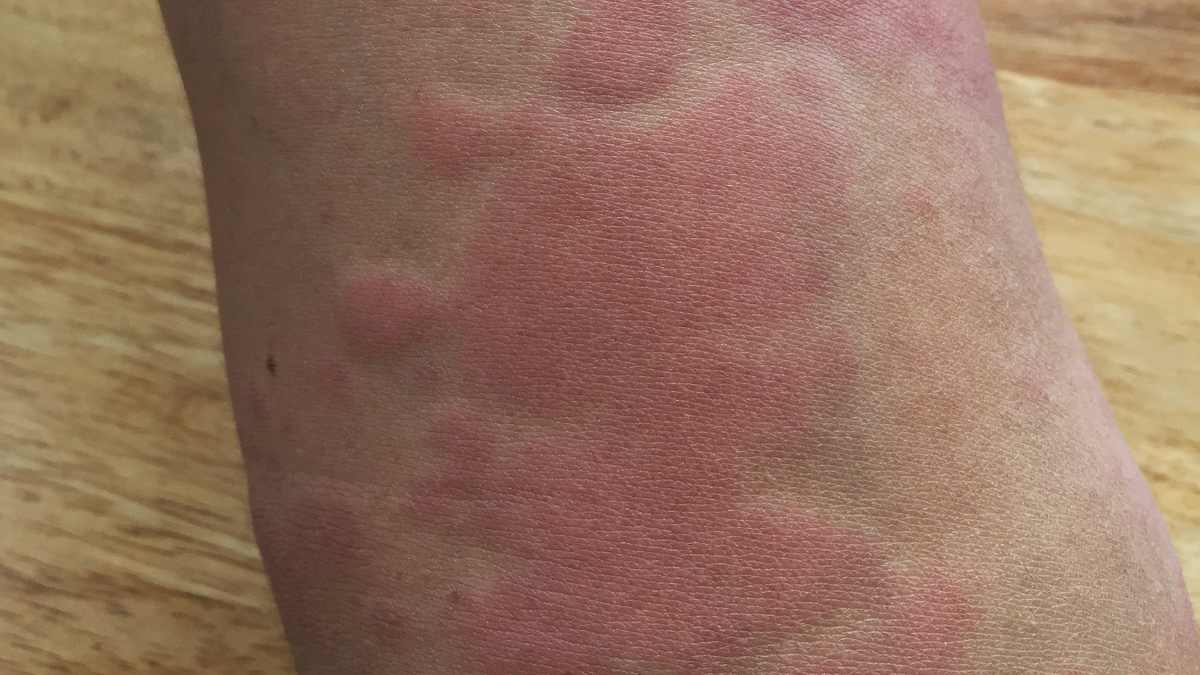
Skin rashes manifest in various forms, including redness, swelling, itching, and sometimes blisters or peeling. Identifying the underlying cause of a rash is essential for effective treatment. Common causes include allergic reactions to substances like soaps, detergents, or certain foods, as well as irritant contact dermatitis from exposure to harsh chemicals. Additionally, infections caused by bacteria, viruses, or fungi can lead to rashes, necessitating a different approach to treatment.
Symptoms accompanying a rash can vary widely. Itching is often the most bothersome symptom, leading to scratching that can exacerbate the condition. Other symptoms may include pain, burning sensations, or the presence of pustules or scales. Understanding these symptoms can help in determining whether a rash is mild and can be treated at home or if it requires medical intervention.
In some cases, rashes may be indicative of more serious health issues, such as autoimmune disorders or systemic infections. Recognizing the signs that warrant professional evaluation, such as persistent rashes, fever, or systemic symptoms, is crucial for timely and effective treatment.
Ultimately, being informed about the various causes and symptoms of skin rashes can empower individuals to seek appropriate treatment and avoid exacerbating their condition through improper care.
Key Ingredients to Look for in Rash Creams
When selecting a cream for treating a rash, it’s essential to consider the active ingredients that can provide relief. Hydrocortisone, a mild corticosteroid, is commonly used to reduce inflammation and itching associated with various skin conditions. It works by suppressing the immune response in the affected area, providing quick relief for conditions like eczema or allergic reactions.
Another important ingredient is zinc oxide, known for its protective properties. Often found in diaper rash creams, zinc oxide acts as a barrier against moisture and irritants, promoting healing while preventing further irritation. Its soothing properties make it suitable for a range of rashes, especially those caused by friction or moisture.
Antihistamines in topical creams can also be beneficial, particularly for rashes caused by allergic reactions. These ingredients work by blocking histamine, a compound released during allergic responses, thereby alleviating itching and redness. Creams containing antihistamines can provide immediate relief for conditions like hives or other allergic dermatitis.
Lastly, moisturizers play a crucial role in managing rashes, especially those associated with dryness. Ingredients such as glycerin, shea butter, and ceramides help to restore the skin barrier, preventing moisture loss and promoting healing. Choosing a cream that combines these key ingredients can significantly enhance the effectiveness of rash treatment.
Comparing Over-the-Counter and Prescription Creams
When it comes to treating rashes, individuals often have the option of choosing between over-the-counter (OTC) creams and prescription medications. OTC creams are readily available and can be effective for mild to moderate rashes. They typically contain ingredients like hydrocortisone, calamine, or zinc oxide, making them suitable for common conditions such as contact dermatitis or mild eczema.
On the other hand, prescription creams are often necessary for more severe or persistent rashes. These formulations may contain stronger corticosteroids or other active ingredients that require a healthcare provider’s oversight. For instance, prescription-strength hydrocortisone or topical immunomodulators may be recommended for conditions like severe eczema or psoriasis, where OTC options may fall short.
Cost and accessibility are also important factors to consider. OTC creams are generally more affordable and can be purchased without a prescription, making them a convenient first-line option for many individuals. However, if a rash does not improve with OTC treatments, seeking a prescription may be necessary to avoid complications and ensure effective management.
Ultimately, the choice between OTC and prescription creams should be guided by the severity of the rash, previous treatment responses, and professional medical advice. Understanding these differences can help individuals make informed decisions about their skin care.
Evaluating Efficacy: How to Choose the Right Cream
Choosing the right cream for a rash requires careful evaluation of both the product and the individual’s specific condition. Identifying the type of rash is the first step in this process. For instance, rashes caused by allergies may respond better to antihistamine creams, while inflammatory conditions like eczema may require stronger corticosteroids.
Reading product labels is essential for understanding the active ingredients and their concentrations. Higher concentrations of active ingredients may provide faster relief, but they also come with a higher risk of side effects, particularly with corticosteroids. It’s important to balance efficacy with safety, especially for sensitive skin or prolonged use.
User reviews and clinical studies can also provide insight into a cream’s effectiveness. Researching reputable sources for testimonials and scientific evidence can help gauge how well a particular product has worked for others with similar conditions. Additionally, consulting with a dermatologist or healthcare provider can offer personalized recommendations based on individual skin type and rash characteristics.
Lastly, consider the formulation of the cream. Creams may be more suitable for dry skin, while ointments can provide a thicker barrier for weeping or oozing rashes. Understanding these nuances can significantly enhance the chances of selecting the most effective treatment for a specific rash.
Application Techniques for Optimal Rash Relief
Proper application techniques are crucial for maximizing the effectiveness of rash creams. Before applying any cream, it is important to clean the affected area gently with mild soap and water, ensuring that the skin is free from irritants and debris. Patting the skin dry with a soft towel is recommended; rubbing can further irritate the rash.
When applying the cream, a thin layer should be used, covering the entire affected area without excessive rubbing. This allows the cream to absorb effectively and provides a protective barrier. It is essential to follow the recommended frequency of application as indicated on the product label or by a healthcare provider, as overuse can lead to skin thinning or other side effects.
For optimal results, it may be beneficial to apply the cream after bathing, when the skin is still slightly damp. Moisture can enhance absorption, allowing the active ingredients to penetrate more effectively. Additionally, using a moisturizer after the cream can help lock in hydration and further soothe the skin.
Finally, it is crucial to avoid occlusive dressings unless advised by a healthcare provider. While some conditions may benefit from occlusion, it can also trap moisture and lead to increased irritation or infection in others. Understanding the appropriate techniques for application can significantly improve the outcomes of rash treatment.
When to Seek Professional Help for Skin Rashes
While many rashes can be effectively treated at home, there are circumstances when professional help is necessary. If a rash persists despite using over-the-counter creams for a week or more, it may indicate a more serious underlying condition that requires medical evaluation. Persistent rashes can lead to complications, including infections or chronic skin issues.
Additionally, if a rash is accompanied by systemic symptoms such as fever, chills, or difficulty breathing, immediate medical attention is warranted. These symptoms may indicate an allergic reaction or infection, both of which require prompt intervention to prevent further complications.
Rashes that exhibit signs of infection, such as increased redness, warmth, swelling, or discharge, should also be evaluated by a healthcare provider. Infections can escalate quickly, and timely treatment is essential to avoid more severe health issues.
Finally, individuals with pre-existing skin conditions or compromised immune systems should consult a dermatologist at the first sign of a rash. Professional guidance can help manage these conditions effectively and prevent flare-ups or complications.
Conclusions:
In summary, understanding skin rashes and the appropriate treatments available is essential for effective management. By recognizing the causes, symptoms, and key ingredients in creams, individuals can make informed decisions about their treatment options. Whether opting for over-the-counter or prescription creams, proper application techniques and awareness of when to seek professional help can significantly enhance the chances of successful rash relief.
Read more
- American Academy of Dermatology – Skin Rashes – A comprehensive resource on various skin rashes, including causes and treatment options.
- Mayo Clinic – Skin Rash – Detailed information on skin rashes, their symptoms, and when to seek medical advice.
- Cleveland Clinic – Rash Treatment – An overview of common rashes and effective treatment strategies.
- WebMD – Skin Rash Overview – A slideshow explaining different types of rashes and their treatments.
- National Eczema Association – Eczema Treatments – A detailed guide on eczema treatments, including topical creams and their ingredients.