
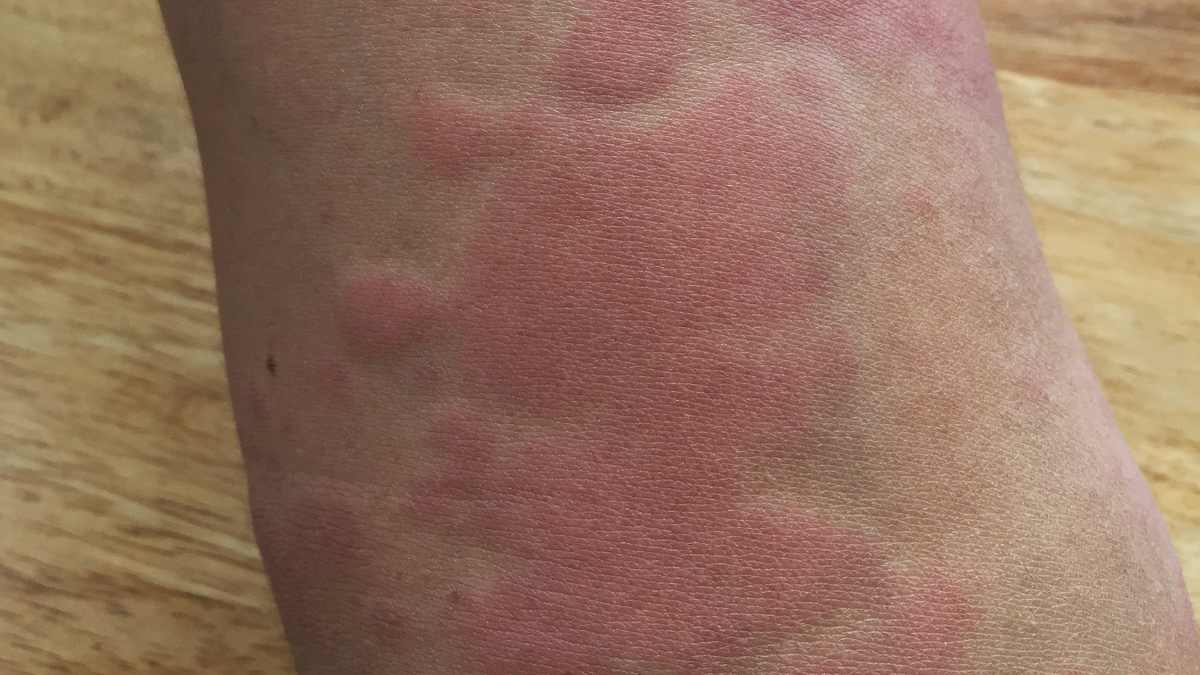

Introduction:
Rashes are common dermatological conditions that can affect individuals of all ages. They can manifest in various forms, from mild irritations to severe skin reactions. Understanding the best treatment options for rashes requires a comprehensive approach that includes recognizing the type of rash, diagnosing the underlying causes, and implementing effective treatment strategies. This article will explore the different aspects of rash management, providing insights into treatment options and preventive measures.
Understanding Rashes: Types and Common Causes Explained
Rashes can be classified into several types, including allergic reactions, irritant contact dermatitis, infections, and autoimmune diseases. Allergic rashes often arise from exposure to allergens such as certain foods, medications, or environmental factors. Irritant contact dermatitis occurs when the skin comes into contact with irritating substances, leading to inflammation and discomfort. Infectious rashes can be caused by bacteria, viruses, or fungi, while autoimmune conditions like psoriasis or lupus can also present as rashes.
Common causes of rashes vary widely and can include environmental factors, lifestyle choices, and genetic predispositions. For instance, prolonged exposure to moisture can lead to rashes like eczema, while harsh soaps and detergents can irritate the skin. Infections such as chickenpox or shingles are also notable contributors to rash development. Identifying the specific cause of a rash is crucial for determining the appropriate treatment.
In addition to these factors, certain medical conditions can predispose individuals to rashes. For example, individuals with compromised immune systems may be more susceptible to infections that cause rashes. Chronic conditions like diabetes can also lead to skin changes that manifest as rashes. Understanding these underlying causes is essential for effective management.
Lastly, lifestyle factors such as stress, diet, and hygiene practices can influence the occurrence and severity of rashes. Maintaining a balanced diet, managing stress levels, and practicing good skin hygiene can help mitigate the risk of developing rashes.
Clinical Assessment: Diagnosing the Underlying Condition
A thorough clinical assessment is vital for diagnosing the underlying condition responsible for a rash. This process typically begins with a detailed medical history, including information about recent exposures, medications, and any accompanying symptoms. Physical examination of the rash itself—its appearance, location, and distribution—provides essential clues to the clinician.
In some cases, patch testing may be employed to identify specific allergens responsible for an allergic reaction. This involves applying small amounts of potential allergens to the skin and observing for reactions over a period. Skin scrapings or biopsies may also be necessary to rule out infections or skin disorders like psoriasis or eczema.
Laboratory tests can further aid in diagnosis, especially when systemic conditions are suspected. Blood tests can help identify underlying autoimmune diseases or infections that may be contributing to the rash. Collaboration with dermatologists or allergists may be warranted for complex cases requiring specialized expertise.
Ultimately, accurate diagnosis is crucial for tailoring treatment plans effectively. Misdiagnosis can lead to inappropriate treatments, worsening the condition or prolonging discomfort.
Topical Treatments: Corticosteroids and Their Efficacy
Topical treatments are often the first line of defense in managing rashes. Among these, corticosteroids are widely used due to their anti-inflammatory properties. They work by reducing swelling, redness, and itching associated with various skin conditions. Hydrocortisone is a common over-the-counter option for mild rashes, while stronger formulations may be prescribed for more severe cases.
The efficacy of corticosteroids can vary depending on the potency of the formulation and the type of rash being treated. Higher-potency corticosteroids may be necessary for conditions like psoriasis or severe eczema, while lower-potency options are suitable for sensitive areas like the face or groin. It is essential to follow medical guidance regarding the duration and frequency of use to avoid potential side effects, such as skin thinning.
In addition to corticosteroids, other topical treatments may be beneficial depending on the rash’s nature. Calcineurin inhibitors, for example, can be effective for inflammatory skin conditions without the side effects associated with long-term corticosteroid use. Antihistamines may also be recommended to alleviate itching and discomfort.
The choice of topical treatment should be guided by the specific characteristics of the rash and individual patient factors. Regular follow-up with healthcare providers ensures that treatment remains effective and adjustments can be made as needed.
Systemic Therapies: When Oral Medications Are Necessary
In cases where topical treatments are insufficient, systemic therapies may be necessary to manage rashes effectively. Oral corticosteroids are often prescribed for severe inflammatory conditions that do not respond to topical agents. These medications can provide rapid relief but should be used cautiously due to potential side effects, including weight gain and increased risk of infections.
Immunosuppressants may also be indicated for chronic or severe rashes associated with autoimmune diseases. Medications such as methotrexate or azathioprine can help control the immune response, reducing inflammation and rash severity. However, these treatments require careful monitoring due to potential adverse effects on liver function and blood cell counts.
In some cases, biologic therapies may be considered for conditions like psoriasis or atopic dermatitis. These targeted therapies work by modulating specific pathways in the immune system, offering a more tailored approach to treatment. While they can be highly effective, they also come with risks and require ongoing assessment.
Ultimately, the decision to initiate systemic therapies should be made collaboratively between the patient and healthcare provider, weighing the benefits against potential risks and side effects.
Alternative Remedies: Exploring Natural Treatment Options
In addition to conventional treatments, many individuals seek alternative remedies for managing rashes. Natural treatments can provide relief and may complement traditional therapies. Common options include oatmeal baths, which can soothe irritated skin and reduce itching. Colloidal oatmeal is particularly effective in calming inflammation and providing a protective barrier.
Aloe vera is another popular natural remedy known for its soothing properties. Its gel can be applied directly to the skin to hydrate and promote healing. Additionally, coconut oil has moisturizing and antimicrobial properties, making it a suitable option for dry or irritated skin.
Herbal remedies such as calendula and witch hazel are also used to treat rashes. Calendula has anti-inflammatory properties, while witch hazel can help reduce swelling and irritation. However, it is essential to conduct a patch test before using these products to ensure they do not exacerbate the rash.
While alternative remedies can be beneficial, they should not replace conventional treatments without consulting a healthcare provider. It is crucial to approach natural treatments with caution, as some individuals may experience allergic reactions or interactions with other medications.
Preventive Measures: Strategies to Avoid Future Rashes
Preventing rashes involves a proactive approach that addresses both environmental and lifestyle factors. Identifying triggers is a crucial first step. Keeping a diary of rash occurrences can help individuals recognize patterns and avoid known irritants or allergens.
Maintaining proper skin hygiene is also essential. Regularly cleansing the skin with gentle, fragrance-free products can help remove irritants and allergens. Moisturizing regularly, especially after bathing, can prevent dryness and reduce the risk of rashes associated with skin barrier dysfunction.
Wearing appropriate clothing is another preventive measure. Loose-fitting, breathable fabrics can help minimize friction and irritation, particularly in sensitive areas. Additionally, avoiding harsh chemicals in laundry detergents and personal care products can reduce the likelihood of developing contact dermatitis.
Lastly, managing stress through techniques such as mindfulness, exercise, and adequate sleep can positively impact skin health. Stress is a known trigger for various skin conditions, and adopting a holistic approach to wellness can help mitigate its effects.
Conclusions:
Managing rashes effectively requires a multifaceted approach that includes understanding the types and causes, accurate diagnosis, and appropriate treatment strategies. While topical and systemic therapies are often necessary, alternative remedies can provide additional relief. Preventive measures play a crucial role in reducing the occurrence of future rashes. By staying informed and proactive, individuals can better manage their skin health and improve their quality of life.
Read more
- American Academy of Dermatology – Rashes – A comprehensive resource on various types of rashes and their treatments.
- Mayo Clinic – Skin Rash – Detailed information on symptoms, causes, and treatments for skin rashes.
- National Eczema Association – Eczema Treatments – A guide to effective treatments for eczema and related rashes.
- Cleveland Clinic – Psoriasis Treatment – Insights into psoriasis management and treatment options.
- Healthline – Natural Remedies for Skin Rashes – An overview of natural treatments for various skin rashes.