

Introduction:
Rashes are common dermatological conditions that can arise from various causes, including infections and allergic reactions. Two of the most frequently encountered types of rashes are viral rashes and allergy rashes. Understanding the differences between these two types is crucial for effective diagnosis and treatment. This article delves into the definitions, characteristics, causes, symptoms, and treatment options for viral and allergy rashes, providing a comprehensive overview to help differentiate between the two.
Understanding Viral Rashes: Definition and Characteristics
Viral rashes are skin eruptions that occur as a result of viral infections. They are often associated with systemic symptoms, such as fever, fatigue, and malaise. Common viral infections that can lead to rashes include measles, chickenpox, and rubella. These rashes typically appear in conjunction with other signs of viral illness, making them easier to identify in the context of an overall clinical picture.
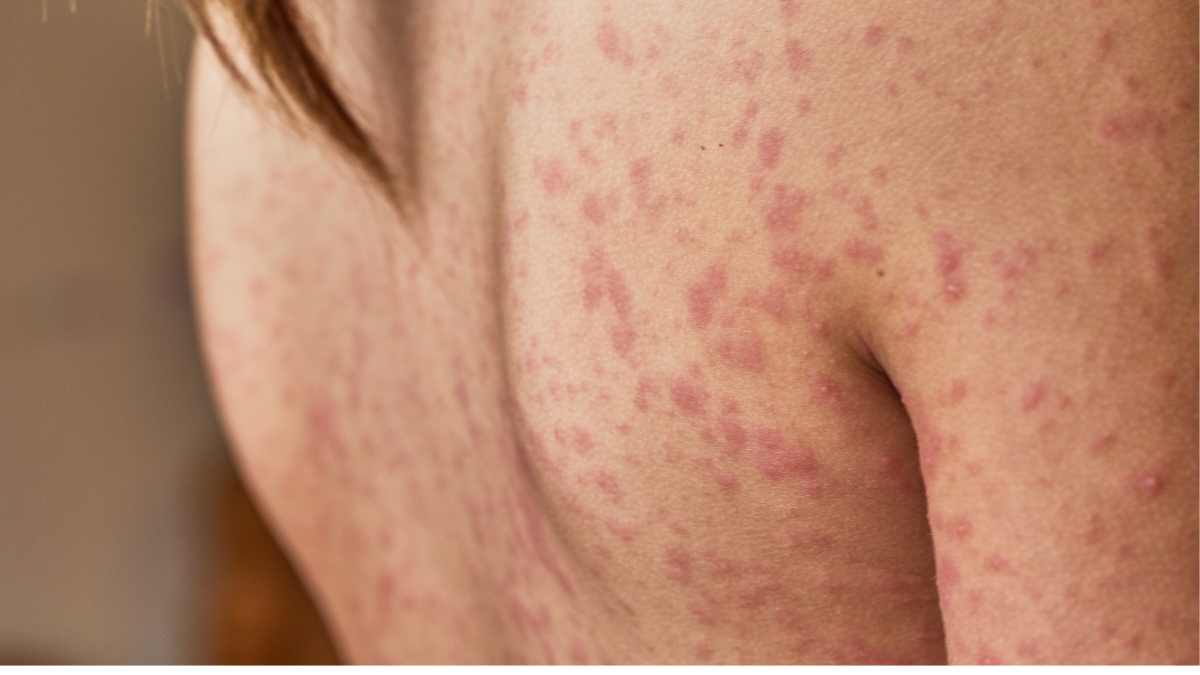
The characteristics of viral rashes can vary widely depending on the specific virus involved. For instance, measles rashes start as flat red spots that can merge together, while chickenpox rashes present as itchy blisters. Viral rashes may also change in appearance over time, often evolving from macules to papules and then to vesicles. Importantly, viral rashes usually resolve on their own as the body fights off the infection.
In many cases, viral rashes are not itchy, although some may cause mild discomfort. They often appear in a specific pattern or distribution on the body, which can aid in diagnosis. For example, the rash associated with roseola typically appears after a high fever and is often concentrated on the trunk.
Overall, viral rashes are typically self-limiting and may not require specific treatment beyond symptomatic relief. However, monitoring for complications is essential, especially in young children or immunocompromised individuals.
Exploring Allergy Rashes: Causes and Symptoms Explained
Allergy rashes, on the other hand, are the result of the body’s immune response to allergens. These allergens can include substances like pollen, pet dander, certain foods, and medications. When the skin comes into contact with these allergens, it can trigger an inflammatory response, leading to a rash. This type of rash is often referred to as contact dermatitis when it arises from direct contact with an allergen.
The symptoms of allergy rashes can include redness, swelling, itching, and the formation of blisters or hives. Unlike viral rashes, allergy rashes are typically very itchy and can cause significant discomfort. The onset of an allergy rash can be immediate or delayed, depending on the individual’s sensitivity to the allergen.
In some cases, allergy rashes can be chronic, persisting for weeks or even months if the allergen is not identified and avoided. Common examples include eczema, which can flare up in response to various triggers, and urticaria, or hives, which can appear suddenly and may last for hours to days.
Identifying the specific allergen is crucial for effective management of allergy rashes. This often involves a detailed history and may require allergy testing to pinpoint the responsible substance. Once identified, avoiding the allergen is the primary strategy for preventing future rashes.
Key Differences in Appearance: Viral vs. Allergy Rashes
When comparing the appearance of viral and allergy rashes, several key differences emerge. Viral rashes tend to have a more uniform pattern and may follow a specific progression. For example, they often start as flat red spots that can evolve into raised bumps or blisters. The distribution of viral rashes is also noteworthy; they may cover large areas of the body and often appear on the trunk and face.
In contrast, allergy rashes typically present with more localized symptoms. They can appear as raised, itchy welts or patches of redness, often in areas that have come into contact with the allergen. The borders of allergy rashes may be more irregular, and the rash can vary in size and shape. Hives, a common form of allergy rash, can appear as small, round welts that can change shape and size rapidly.
Another important distinction is the duration of the rashes. Viral rashes generally resolve within a week or two as the underlying viral infection subsides. Allergy rashes can persist as long as the allergen is present and may require ongoing management to control symptoms.
Additionally, the presence of systemic symptoms can help differentiate between the two. Viral rashes are often accompanied by fever and other systemic signs, while allergy rashes are usually isolated to the skin unless there is a severe allergic reaction.
Diagnostic Approaches: Identifying Rash Types Effectively
Diagnosing the type of rash is crucial for effective treatment. Healthcare providers typically start with a detailed medical history and physical examination. They will inquire about the onset of the rash, associated symptoms, and any recent exposures to infections or allergens. This information can provide valuable clues about the underlying cause.
For viral rashes, the presence of systemic symptoms such as fever, cough, or sore throat can indicate an infectious origin. Laboratory tests, including viral cultures or serologic testing, may be necessary in certain cases to confirm the diagnosis. In some instances, a healthcare provider may also consider the patient’s vaccination history, as this can help rule out certain viral infections.
In the case of allergy rashes, identifying the specific allergen is paramount. This often involves allergy testing, such as skin prick tests or blood tests, to determine the patient’s sensitivities. A thorough review of the patient’s environment, dietary habits, and any recent changes in products used on the skin can also provide insights into potential triggers.
Ultimately, a collaborative approach involving the patient’s history, physical examination, and diagnostic testing will help healthcare providers accurately identify the type of rash and guide appropriate treatment strategies.
Treatment Options: Managing Viral and Allergy Rashes
Treatment for viral rashes primarily focuses on symptomatic relief. Antipyretics, such as acetaminophen or ibuprofen, can help reduce fever and discomfort associated with viral infections. In some cases, topical treatments like calamine lotion or hydrocortisone cream may alleviate itching or irritation caused by the rash.
Since viral rashes are generally self-limiting, specific antiviral medications are rarely required unless the rash is due to a severe viral infection, such as herpes zoster. In such cases, antiviral therapy may be indicated to reduce the severity and duration of symptoms.
In contrast, managing allergy rashes often involves identifying and avoiding the trigger. Once the allergen is identified, the first step is to eliminate exposure to it. For immediate relief of symptoms, antihistamines are commonly used to reduce itching and swelling. Topical corticosteroids may also be prescribed to control inflammation and relieve discomfort.
For chronic allergy rashes, such as eczema, long-term management strategies may include the use of emollients to maintain skin hydration and prevent flare-ups. In severe cases, systemic treatments, including immunosuppressive medications, may be necessary to control persistent symptoms.
When to Seek Medical Attention for Rash Concerns
While many rashes can be managed at home, certain situations warrant medical attention. Patients should seek care if the rash is accompanied by severe symptoms such as high fever, difficulty breathing, or swelling of the face or throat, as these may indicate a serious allergic reaction or systemic infection.
Additionally, if a rash persists for an extended period, spreads rapidly, or shows signs of secondary infection, such as pus or increased redness, medical evaluation is essential. Rashes that are associated with significant pain, discomfort, or changes in skin color should also be assessed by a healthcare professional.
For individuals with underlying health conditions or weakened immune systems, any new rash should be evaluated promptly to rule out potential complications. Early intervention can be crucial in preventing more serious health issues.
In summary, while most rashes are benign and self-limiting, understanding when to seek medical attention is vital for ensuring appropriate care and management.
Conclusions:
Differentiating between viral rashes and allergy rashes is essential for effective diagnosis and treatment. By understanding the characteristics, causes, and treatment options for each type, patients and healthcare providers can work together to manage symptoms effectively and improve overall outcomes.
Read more
-
American Academy of Dermatology – Rashes
This resource provides an overview of various types of rashes, including viral and allergic reactions, along with treatment options and care tips. -
Mayo Clinic – Viral Rashes
The Mayo Clinic offers detailed information about viral rashes, their causes, symptoms, and management strategies. -
WebMD – Allergy Rashes
WebMD discusses allergy rashes, including their causes, symptoms, and treatment options, making it a valuable resource for understanding allergic reactions. -
National Eczema Association – Eczema and Allergies
This site provides insights into the relationship between eczema and allergies, including management strategies for allergic skin conditions. -
Centers for Disease Control and Prevention – Measles
The CDC offers comprehensive information on measles, including the viral rash associated with the disease, its symptoms, and prevention strategies.