

Se hai un abbonamento attivo ACCEDI QUI
Introduction:
Skin rashes are common and can arise from a variety of causes, ranging from benign to severe. Understanding the different types of skin rashes is crucial for identifying when a rash may be concerning. While many rashes are harmless and resolve on their own, some can indicate serious underlying health issues. This article aims to provide a comprehensive overview of skin rashes, detailing how to identify concerning symptoms, the characteristics of common and serious rashes, diagnostic approaches, and treatment options.
Understanding the Different Types of Skin Rashes
Skin rashes can be classified into several categories based on their appearance, cause, and duration. Acute rashes typically develop suddenly and may last for a short period, often resolving without treatment. Examples include contact dermatitis and hives. Chronic rashes, on the other hand, can persist for weeks or months and may require ongoing management. Conditions such as eczema and psoriasis fall into this category.
Rashes can also be categorized based on their cause. Allergic rashes occur when the skin reacts to allergens, such as certain foods, medications, or environmental factors. Infectious rashes are caused by pathogens, including bacteria, viruses, or fungi, and may present with additional systemic symptoms. Autoimmune rashes arise from the body’s immune system attacking its own tissues, leading to conditions like lupus or dermatomyositis.
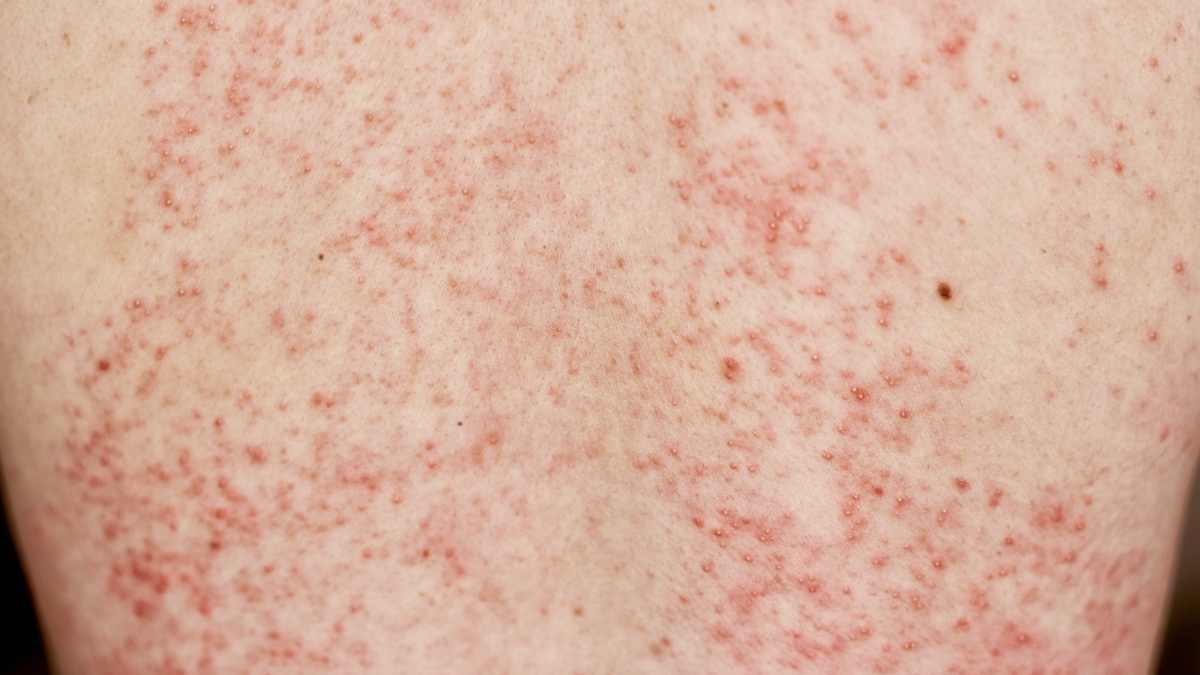
The appearance of a rash can provide important clues about its cause. For instance, macules are flat, discolored spots, while papules are small, raised bumps. Vesicles are fluid-filled blisters, and pustules contain pus. Understanding these terms can help in describing rashes accurately to healthcare providers.
Lastly, the distribution of a rash on the body can also indicate its nature. Localized rashes affect a specific area, while generalized rashes spread across larger areas of the body. Recognizing these patterns is essential for proper diagnosis and treatment.
Identifying Rashes: When to Seek Medical Attention
While many rashes are harmless, certain signs should prompt immediate medical evaluation. If a rash is accompanied by fever, swelling, or difficulty breathing, it may indicate a serious allergic reaction or infection. Additionally, rashes that are painful, itchy, or spreading rapidly warrant further investigation, as they could signify a more severe underlying condition.
Another concerning sign is the presence of blisters or open sores. These can be indicative of infections or skin conditions that require prompt treatment to prevent complications. If a rash persists for more than a few days without improvement or worsens despite home care, it is advisable to consult a healthcare professional.
Rashes that are associated with systemic symptoms, such as joint pain, fatigue, or weight loss, should also be evaluated. These symptoms may suggest an autoimmune disorder or other systemic illness that requires comprehensive management.
Finally, if a rash occurs after starting a new medication or exposure to a new substance, it is essential to seek medical advice. This could indicate a drug reaction or an allergy that needs to be addressed to prevent further complications.
Common Rashes: Characteristics and Symptoms to Note
Several common rashes are frequently encountered in clinical practice. Eczema, or atopic dermatitis, is characterized by dry, itchy patches that can become red and inflamed. It often appears in childhood and can be triggered by environmental factors, stress, or allergens. Patients may experience flare-ups that require topical treatments or moisturizers.
Psoriasis is another prevalent condition, marked by thick, red patches covered with silvery scales. It is a chronic autoimmune disease that can affect not only the skin but also the joints. Symptoms can vary in severity and may require systemic treatments for management.
Contact dermatitis occurs when the skin comes into contact with an irritant or allergen. It typically presents as red, itchy, and inflamed skin in the area of contact. Identifying and avoiding the triggering substance is crucial for treatment and prevention.
Hives, or urticaria, are raised, itchy welts that can appear suddenly and may be triggered by allergens, stress, or medications. While they are usually short-lived, chronic hives can persist for months and may require further evaluation to identify underlying causes.
Serious Rashes: Signs of Underlying Health Issues
Certain rashes can be indicative of more serious health problems. Rashes associated with fever or systemic symptoms can signal infections such as meningitis or viral exanthems. For instance, a rash that develops alongside a high fever and neck stiffness may suggest meningococcal infection, which is a medical emergency.
Rashes that exhibit changes in color, texture, or size may be concerning for skin cancers, including melanoma. Any new or changing mole, or a rash that does not heal, should be evaluated by a dermatologist to rule out malignancies.
Vasculitis is another serious condition that can present as a rash. Characterized by inflammation of blood vessels, it may cause purpura or petechiae, which are small, purple spots due to bleeding under the skin. This condition requires prompt diagnosis and treatment to prevent complications.
Lastly, toxic epidermal necrolysis (TEN) and Stevens-Johnson syndrome (SJS) are severe skin reactions that can occur in response to medications. These conditions are characterized by widespread blistering and peeling of the skin, and they necessitate immediate medical attention due to the risk of life-threatening complications.
Diagnostic Approaches for Concerning Skin Rashes
When evaluating a concerning rash, healthcare providers typically begin with a thorough medical history and physical examination. It is essential to gather information about the rash’s onset, duration, associated symptoms, and any potential triggers or exposures. This information can help narrow down the differential diagnosis.
In some cases, dermatologists may perform skin tests, such as patch testing for allergies or skin scrapings to identify fungal infections. A biopsy may also be necessary to obtain a definitive diagnosis, particularly for rashes that are atypical or resistant to treatment.
Laboratory tests can be useful in evaluating systemic conditions associated with rashes. Blood tests may help identify autoimmune disorders, infections, or allergic reactions. Imaging studies may also be warranted if there are concerns about underlying systemic involvement.
Collaboration with specialists may be required for complex cases. For instance, rheumatologists may be consulted for rashes associated with autoimmune diseases, while infectious disease specialists may be involved in managing rashes linked to infections.
Treatment Options and Management of Severe Rashes
The treatment of skin rashes depends on the underlying cause and severity. For mild rashes, topical treatments such as corticosteroids or antihistamines may provide relief from itching and inflammation. Moisturizers are essential for conditions like eczema to maintain skin hydration and barrier function.
In cases of allergic reactions, oral antihistamines can help alleviate symptoms, while avoiding the offending allergen is crucial. For more severe allergic reactions, such as anaphylaxis, immediate administration of epinephrine is necessary.
For chronic conditions like psoriasis, systemic therapies may be required. These can include biologics or immunosuppressants, which target specific pathways in the immune response. Regular follow-up with a healthcare provider is essential to monitor the effectiveness of treatment and adjust as needed.
In instances of serious skin reactions, such as SJS or TEN, hospitalization may be required for supportive care and management of complications. Treatment often involves discontinuation of the offending medication and may include wound care and pain management.
Conclusions:
Recognizing concerning skin rashes is essential for timely intervention and management. While many rashes are benign, understanding the characteristics of both common and serious rashes can aid in identifying when to seek medical attention. Diagnostic approaches and treatment options vary based on the underlying cause, emphasizing the importance of a thorough evaluation by healthcare professionals.
Read more
- American Academy of Dermatology – Skin Rashes – A comprehensive resource on various skin rashes, their causes, and treatment options.
- Mayo Clinic – Skin Rash – Detailed information on skin rashes, including symptoms and when to seek care.
- Cleveland Clinic – Skin Rashes: Causes and Treatments – An overview of common skin rashes, their characteristics, and management strategies.
- National Institutes of Health – Skin Disorders – A reliable source for understanding various skin disorders and their implications.
- WebMD – Rashes: Symptoms, Causes, and Treatments – A user-friendly guide to recognizing and treating different types of rashes.