

Introduction:
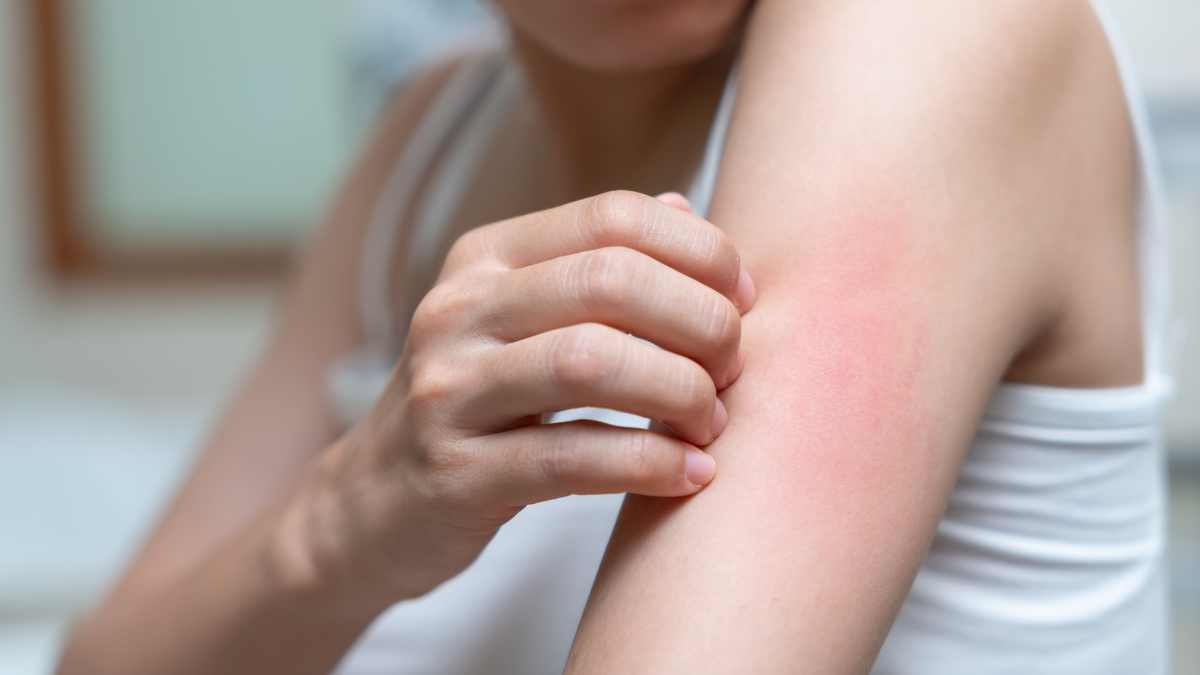
Skin rashes and itching are common ailments that can affect individuals of all ages. These conditions can arise from various causes, including allergies, irritants, infections, and underlying medical issues. Understanding the nature of rashes and the appropriate treatments available, particularly ointments, is crucial for effective management. This article will delve into the causes and symptoms of skin rashes, the role of ointments, key ingredients to look for, comparisons of over-the-counter options, when to seek professional advice, and best practices for application.
Understanding Skin Rashes: Causes and Symptoms Explained
Skin rashes can manifest in numerous forms, including redness, swelling, and lesions. Common causes include allergic reactions to substances like pollen, food, or certain fabrics, as well as irritants such as soaps and chemicals. Additionally, infections caused by bacteria, viruses, or fungi can lead to rashes. Conditions like eczema, psoriasis, and dermatitis are also prevalent and can cause significant discomfort.
Symptoms associated with rashes often include itching, burning, and tenderness. The severity of these symptoms can vary widely, with some individuals experiencing mild irritation while others may suffer from intense discomfort. Recognizing the specific characteristics of a rash, such as its appearance and location, can aid in determining its cause and the most effective treatment.
In some cases, rashes may be accompanied by systemic symptoms, such as fever or malaise, indicating a more serious underlying condition. Monitoring these symptoms is essential, as it can provide valuable clues for diagnosis and treatment. For instance, a rash that appears suddenly and is associated with fever may require immediate medical attention.
Ultimately, understanding the various causes and symptoms of skin rashes is the first step in effectively managing them. By identifying the underlying issue, individuals can make informed decisions about treatment options, including the use of ointments.
The Role of Ointments in Treating Rashes and Itching
Ointments play a vital role in the management of skin rashes and itching. They serve as a protective barrier that helps to lock in moisture and shield the skin from further irritation. This is particularly important for conditions characterized by dryness, as maintaining skin hydration can significantly alleviate symptoms.
Moreover, ointments often contain active ingredients designed to address specific symptoms associated with rashes. For example, corticosteroid ointments can reduce inflammation and itching, while antifungal ointments target fungal infections. Understanding the purpose of each type of ointment is essential for selecting the appropriate treatment.
The application of ointments can also facilitate the healing process. By delivering medication directly to the affected area, ointments can promote faster recovery and reduce the risk of secondary infections. This localized treatment is often more effective than systemic medications, which may have broader effects on the body.
In addition to their therapeutic benefits, ointments can also provide symptomatic relief. Many formulations include soothing agents that can help to calm irritated skin and reduce the urge to scratch. This is crucial, as scratching can exacerbate rashes and lead to further complications, such as infections.
Key Ingredients in Ointments for Rashes and Itching
When selecting an ointment for rashes and itching, it’s essential to consider the ingredients. Key components often include corticosteroids, which are effective in reducing inflammation and itching. These ointments are commonly used for conditions such as eczema and dermatitis, where inflammation is a primary concern.
Another important ingredient is antihistamines, which can help alleviate itching caused by allergic reactions. Topical antihistamines can provide rapid relief by blocking histamine receptors in the skin, thereby reducing the urge to scratch. This can be particularly beneficial for individuals experiencing acute allergic reactions.
Moisturizers are also a critical component of many ointments. Ingredients such as petrolatum, lanolin, and glycerin can help to hydrate the skin and create a protective barrier. Maintaining skin moisture is essential for preventing dryness, which can exacerbate itching and irritation.
Lastly, antifungal and antibacterial agents are crucial for treating rashes caused by infections. Ointments containing these ingredients can effectively target the pathogens responsible for the rash, providing both relief and promoting healing.
Comparing Over-the-Counter Ointments for Skin Irritations
The market offers a wide range of over-the-counter ointments for treating skin irritations. When comparing these products, it’s essential to evaluate their active ingredients and intended uses. For instance, hydrocortisone cream is a popular choice for reducing inflammation and itching associated with mild skin conditions.
Another common option is calamine lotion, which is effective for soothing itching caused by insect bites and poison ivy. Calamine contains zinc oxide, which provides a cooling effect and helps to dry out weeping rashes. This makes it an excellent choice for certain types of irritations.
For fungal infections, antifungal ointments such as clotrimazole or miconazole are widely available. These products are effective against conditions like athlete’s foot and ringworm. Choosing the right antifungal ointment is crucial for successful treatment, as different formulations may target specific types of fungi.
Lastly, it’s important to consider the formulation of the ointment. Some individuals may prefer creams over ointments, as they tend to be less greasy and absorb more quickly. However, ointments may provide longer-lasting moisture and protection, making them suitable for dry or cracked skin.
When to Seek Professional Advice for Skin Conditions
While many rashes can be effectively managed with over-the-counter ointments, there are instances when professional advice is necessary. If a rash persists despite treatment or worsens over time, it’s essential to consult a healthcare provider. This may indicate an underlying condition that requires more specialized care.
Additionally, rashes accompanied by systemic symptoms such as fever, chills, or significant pain warrant immediate medical attention. These symptoms may suggest a more serious infection or allergic reaction that could require prompt intervention.
Individuals with compromised immune systems or chronic skin conditions should also seek professional advice when experiencing new or unusual rashes. These populations may be at higher risk for complications and may require tailored treatment plans.
Finally, if a rash is suspected to be caused by a medication or new product, it’s crucial to consult a healthcare provider. Identifying and addressing the source of the reaction is key to preventing further issues.
Best Practices for Applying Ointments Effectively
To maximize the effectiveness of ointments, proper application techniques are essential. First and foremost, clean the affected area gently with mild soap and water before applying the ointment. This helps to remove any irritants and prepares the skin for treatment.
When applying the ointment, use a clean finger or a cotton swab to avoid introducing bacteria. Apply a thin layer of the ointment to the affected area, ensuring even coverage without excessive amounts. Over-application can lead to clogged pores and may exacerbate irritation.
After applying the ointment, it’s important to allow it to absorb fully before covering the area with clothing or bandages. This ensures that the active ingredients have adequate time to penetrate the skin and exert their effects. If the ointment is greasy, consider using loose-fitting clothing to minimize discomfort.
Finally, monitor the rash for any changes in appearance or symptoms after applying the ointment. If the rash does not improve within a few days or shows signs of infection, such as increased redness or pus, seek professional advice promptly.
Conclusions:
In summary, managing skin rashes and itching effectively requires a comprehensive understanding of their causes, symptoms, and appropriate treatments. Ointments play a critical role in alleviating discomfort and promoting healing. By selecting the right product and applying it correctly, individuals can significantly improve their skin health. However, it is vital to recognize when professional intervention is necessary to ensure optimal care.
Read more
-
American Academy of Dermatology – Skin Rashes
This resource provides comprehensive information on various skin rashes, their causes, and treatments. -
Mayo Clinic – Skin Rash
The Mayo Clinic offers insights into the symptoms and causes of skin rashes, along with treatment options. -
Cleveland Clinic – Itchy Skin
This article discusses the causes of itchy skin and provides guidance on treatment and management. -
WebMD – Skin Rashes
WebMD provides a detailed overview of skin rashes, including symptoms, causes, and treatment options. -
Healthline – Best Ointments for Itchy Skin
Healthline reviews various ointments available for treating itchy skin, highlighting their active ingredients and effectiveness.