
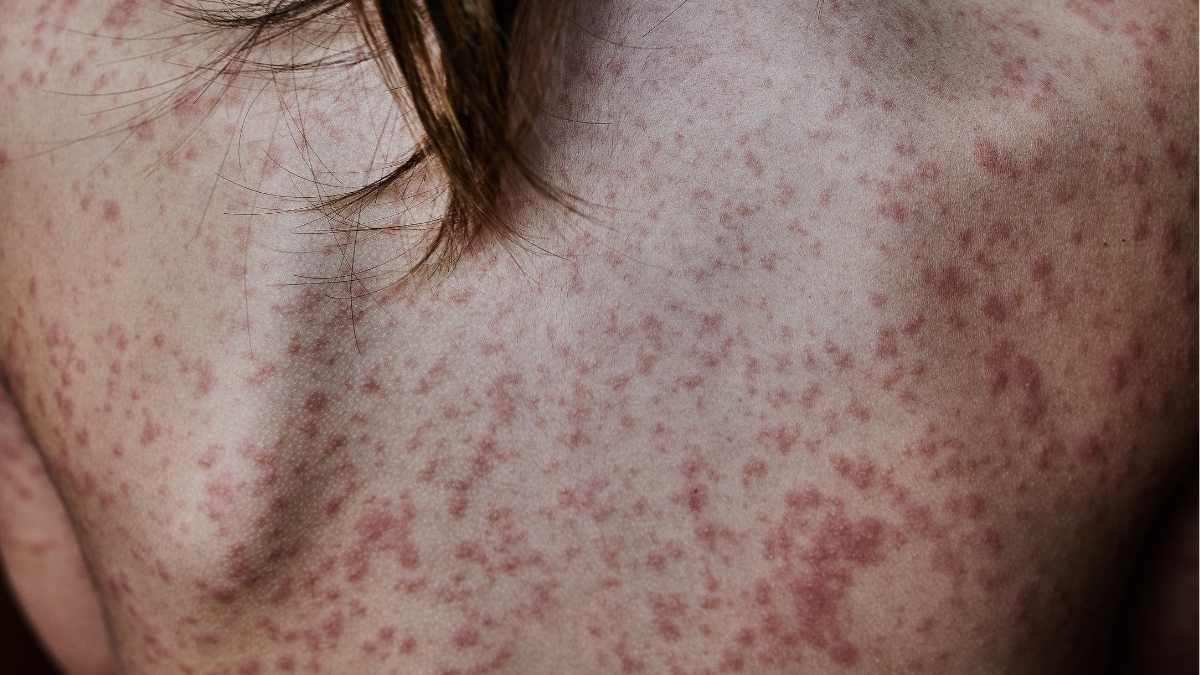

Introduction:
The skin is the body’s largest organ, serving as a protective barrier and playing a crucial role in overall health. It is not merely a covering but a complex system that reflects the internal state of the body. Various organs contribute to skin health, and dysfunction in these organs can lead to a myriad of skin problems. Understanding the interplay between these organs and the skin can provide insights into the causes of skin disorders and guide effective treatment strategies.
Understanding the Skin: An Overview of Its Functions
The skin serves multiple functions essential for maintaining homeostasis. It acts as a barrier against pathogens, UV radiation, and physical injuries, thereby preventing infections and damage. Additionally, it regulates body temperature through sweat production and blood vessel dilation, helping to maintain thermal equilibrium. The skin also plays a significant role in sensation, housing nerve endings that respond to touch, pressure, and temperature.
Moreover, the skin is involved in the synthesis of vitamin D, which is crucial for calcium absorption and bone health. This process occurs when UV rays interact with a cholesterol derivative in the skin, converting it into vitamin D3. Furthermore, the skin contributes to the body’s immune response, with specialized cells that detect and combat foreign invaders. These multifaceted functions underscore the importance of skin health and its connection to overall well-being.
Skin health can be influenced by various factors, including genetics, environmental exposure, and lifestyle choices. Poor nutrition, lack of hydration, and exposure to toxins can compromise the skin’s integrity, leading to conditions such as acne, eczema, and psoriasis. Understanding these factors is essential for preventing and managing skin disorders, as they often serve as indicators of underlying health issues.
In summary, the skin is not just a passive organ but an active participant in maintaining bodily functions. Its health is intrinsically linked to the proper functioning of other organs, making it essential to consider systemic health when addressing skin issues.
The Role of the Liver in Skin Health and Disorders
The liver is a vital organ responsible for detoxification, metabolism, and the synthesis of essential proteins. It plays a crucial role in filtering toxins from the bloodstream, which can significantly impact skin health. When the liver is compromised, toxins can accumulate in the body, leading to various skin disorders such as jaundice, acne, and psoriasis. The liver’s ability to process nutrients also affects skin hydration and elasticity, further influencing its appearance.
Conditions such as fatty liver disease or hepatitis can manifest through skin symptoms. For example, individuals with liver dysfunction may experience yellowing of the skin and eyes (jaundice) due to the buildup of bilirubin. Additionally, liver-related hormonal imbalances can lead to increased oil production in the skin, exacerbating acne and other inflammatory conditions.
Moreover, the liver plays a role in the metabolism of hormones, including estrogen. An imbalance in estrogen levels can lead to skin issues such as melasma, characterized by dark patches on the skin. The liver’s health is therefore crucial for maintaining hormonal balance, which directly impacts skin integrity and appearance.
In conclusion, the liver’s multifaceted role in detoxification and metabolism highlights its importance in skin health. Addressing liver dysfunction can lead to significant improvements in skin conditions, emphasizing the need for a holistic approach to skin care that considers liver health.
How the Kidneys Influence Skin Conditions and Appearance
The kidneys are essential for filtering waste products from the blood and maintaining fluid and electrolyte balance. When kidney function is impaired, waste products can accumulate in the body, leading to various skin problems. Conditions such as chronic kidney disease (CKD) can result in dry, itchy skin, known as pruritus, due to the buildup of toxins and imbalances in minerals like calcium and phosphorus.
Additionally, the kidneys play a role in regulating blood pressure and fluid balance, both of which can affect skin health. Edema, or swelling due to fluid retention, can lead to a puffy appearance and skin stretch marks. Furthermore, individuals with kidney disease may experience changes in skin pigmentation, often presenting as a grayish or yellowish hue.
The kidneys also produce erythropoietin, a hormone that stimulates red blood cell production. In cases of kidney dysfunction, anemia can occur, leading to paleness and a lack of oxygenation in the skin. This can result in a dull complexion and exacerbate existing skin conditions, making it crucial to address kidney health in the context of skin disorders.
In summary, the kidneys significantly influence skin health through their role in waste elimination, fluid balance, and hormone production. Maintaining kidney function is essential for preventing and managing skin problems, reinforcing the interconnectedness of bodily systems.
The Endocrine System’s Impact on Skin Integrity
The endocrine system, comprising various glands that secrete hormones, plays a pivotal role in regulating numerous bodily functions, including skin health. Hormones such as cortisol, insulin, and thyroid hormones can significantly influence skin appearance and condition. For instance, elevated cortisol levels due to stress can lead to skin issues like acne and eczema, as it triggers inflammation and oil production.
Insulin resistance, often associated with conditions like polycystic ovary syndrome (PCOS), can lead to skin problems such as acne and hirsutism. Insulin promotes the production of androgens, which can increase oil gland activity and contribute to the development of acne. Moreover, fluctuations in hormone levels during puberty, menstruation, and menopause can also lead to various skin changes.
Thyroid hormones, on the other hand, are crucial for maintaining skin hydration and elasticity. Hypothyroidism can result in dry, rough skin, while hyperthyroidism may lead to thinning skin and hair loss. The balance of these hormones is essential for maintaining skin integrity and preventing disorders.
In conclusion, the endocrine system’s influence on skin health is profound. Hormonal imbalances can lead to a range of skin conditions, emphasizing the importance of addressing endocrine health in the management of skin disorders.
Immune System Dysregulation and Its Skin Manifestations
The immune system plays a critical role in protecting the body from infections and diseases, and its dysregulation can lead to various skin conditions. Autoimmune diseases, where the immune system mistakenly attacks the body’s tissues, often manifest with skin symptoms. Conditions such as psoriasis, lupus, and dermatitis are prime examples of how immune dysfunction can result in inflammation, redness, and skin lesions.
In addition to autoimmune disorders, allergic reactions can also lead to skin problems. The immune system’s response to allergens can result in conditions such as eczema and urticaria (hives), characterized by itching, redness, and swelling. Understanding the triggers of these immune responses is essential for effective management and prevention of skin issues.
Furthermore, chronic inflammation due to immune dysregulation can accelerate skin aging and contribute to conditions like rosacea and acne. Inflammatory cytokines released during immune responses can disrupt the skin barrier, leading to increased sensitivity and susceptibility to infections.
In summary, the immune system’s health is integral to skin integrity. Addressing immune dysregulation can lead to significant improvements in skin conditions, highlighting the need for a comprehensive approach to skin health that considers immune function.
Identifying Symptoms: When to Seek Professional Help
Recognizing the signs of skin problems is crucial for timely intervention and treatment. Symptoms such as persistent redness, itching, swelling, or the appearance of new moles or lesions should not be ignored. These could indicate underlying health issues that require professional evaluation. Additionally, changes in skin texture or color, such as excessive dryness or unusual pigmentation, may also warrant a consultation with a dermatologist.
If skin symptoms are accompanied by systemic signs such as fever, fatigue, or unexplained weight loss, it is essential to seek medical attention promptly. These could indicate a more serious underlying condition that requires immediate intervention. Furthermore, if over-the-counter treatments fail to provide relief, it is advisable to consult a healthcare professional for a tailored treatment plan.
Regular skin check-ups are also important, especially for individuals with a history of skin conditions or those at higher risk for skin cancer. Dermatologists can provide valuable insights into skin health and recommend preventive measures to maintain skin integrity.
In conclusion, being proactive about skin health is essential for preventing and managing skin disorders. Recognizing symptoms and seeking professional help when necessary can lead to better outcomes and improved overall health.
Conclusions:
The skin serves as a mirror reflecting the health of various organs within the body. Understanding the connections between the skin and organs such as the liver, kidneys, endocrine system, and immune system is crucial for addressing skin problems effectively. By recognizing the symptoms and seeking professional help when needed, individuals can take proactive steps toward maintaining skin health.
Read more:
- American Academy of Dermatology – A comprehensive resource for skin health information, including conditions, treatments, and preventive measures.
- National Institutes of Health (NIH) – Skin Health – Offers research and insights into the relationship between skin health and overall wellness.
- Mayo Clinic – Skin Disorders – Provides detailed information on various skin disorders, their causes, and treatment options.
- Cleveland Clinic – Liver and Skin Health – Discusses the impact of liver health on skin conditions and overall wellness.
- National Kidney Foundation – A valuable resource for understanding the connection between kidney health and skin appearance, including management strategies for kidney-related skin issues.