

Se hai un abbonamento attivo ACCEDI QUI
Introduction:
Itchiness, or pruritus, is a common symptom associated with various medical conditions, including liver dysfunction. While it may seem like a trivial complaint, it can significantly impact a person’s quality of life. Understanding the relationship between liver problems and itchiness is crucial for both patients and healthcare providers. This article explores the mechanisms behind liver-related itchiness, the areas of the body most commonly affected, and the management strategies available for those suffering from this uncomfortable symptom.
Understanding Itchiness Related to Liver Dysfunction
Liver dysfunction can manifest in various ways, and one of the less commonly discussed symptoms is itchiness. Patients with liver disease often report a persistent itch that can be localized or widespread. This symptom is particularly prevalent in conditions such as cholestasis, where bile flow is impaired. In these cases, the accumulation of certain substances in the bloodstream can lead to skin irritation and itchiness. Understanding the underlying causes of this symptom is essential for effective management.
The liver plays a crucial role in detoxifying the blood and producing bile, which is essential for digestion. When liver function is compromised, the body may struggle to eliminate toxins and waste products effectively. This can lead to a buildup of substances that can irritate the skin, resulting in itchiness. Additionally, the psychological impact of chronic liver disease can exacerbate the sensation of itchiness, creating a complex interplay between physical and emotional health.
Itchiness related to liver dysfunction is not merely a cosmetic concern; it can indicate more severe underlying issues. For example, conditions like hepatitis, cirrhosis, and primary biliary cholangitis can all lead to significant changes in how the body processes and excretes bile. Recognizing the signs of liver-related itchiness can prompt timely medical intervention, potentially preventing further complications.
In summary, understanding the connection between liver dysfunction and itchiness is vital for early diagnosis and treatment. By recognizing the symptoms and their implications, healthcare providers can offer more comprehensive care to patients suffering from liver-related conditions.
The Mechanisms Behind Liver-Related Pruritus
The mechanisms that lead to itchiness in liver disease are complex and multifactorial. One of the primary contributors is the accumulation of bile acids in the bloodstream, a condition known as cholestasis. When bile flow is obstructed, bile acids can build up in the liver and eventually enter the bloodstream, leading to systemic effects, including pruritus. These bile acids can stimulate nerve endings in the skin, resulting in the sensation of itch.
Another potential mechanism involves the role of inflammatory mediators. Liver disease can lead to increased levels of certain cytokines and other inflammatory substances that may sensitize nerve endings, making the skin more reactive to stimuli. This heightened sensitivity can result in an exaggerated itch response, even in the absence of significant skin changes.
The role of the central nervous system cannot be overlooked. Research suggests that liver dysfunction can alter the way the brain processes sensory information, including itch signals. This can lead to a phenomenon known as "central sensitization," where the nervous system becomes hyper-responsive to itch stimuli, further compounding the problem for patients.
In conclusion, the mechanisms behind liver-related pruritus are intricate and involve a combination of biochemical, inflammatory, and neurological factors. Understanding these mechanisms is essential for developing effective treatment strategies and improving patient outcomes.
Common Body Areas Affected by Liver Disease Itching
Itchiness associated with liver dysfunction can occur in various parts of the body, but certain areas are more commonly affected. The palms of the hands and the soles of the feet are frequently reported sites of discomfort. This localized itch can be particularly distressing, as it may interfere with daily activities and sleep.
Another common area for itchiness is the trunk, including the back and abdomen. Patients may experience generalized itchiness that can lead to scratching and subsequent skin irritation. This can create a cycle of itch-scratch-itch that exacerbates the problem and can lead to secondary skin infections.
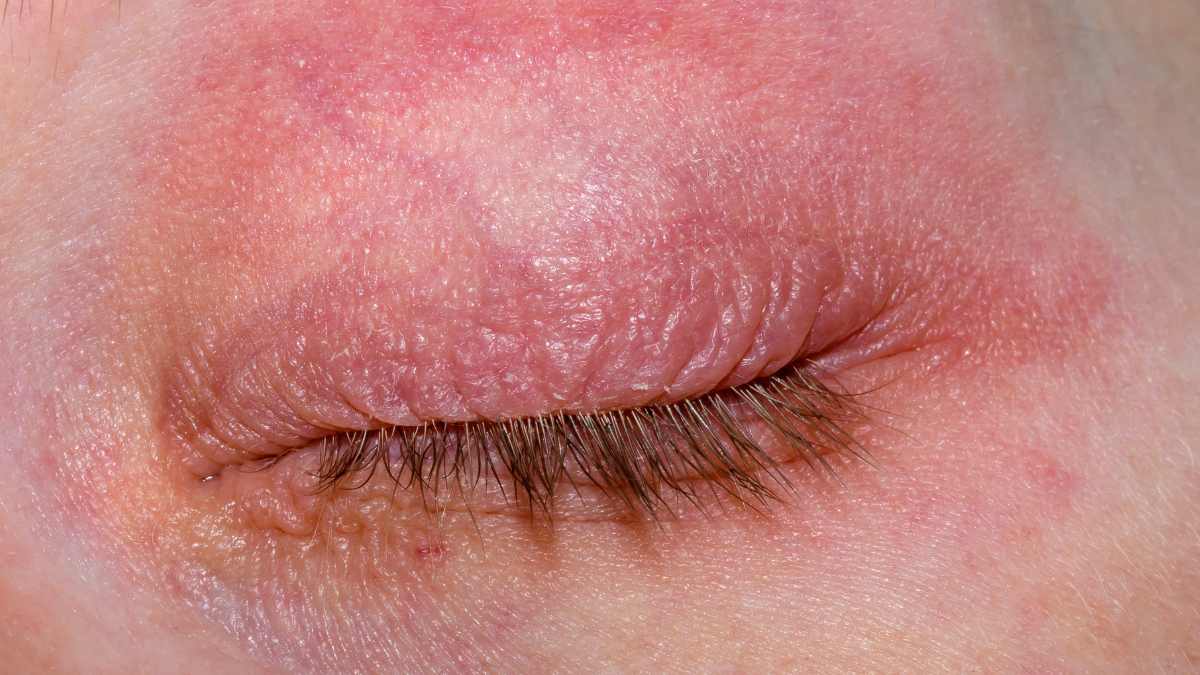
In some cases, itchiness may also affect the face and neck, although this is less common. The emotional and psychological effects of itchiness can be particularly pronounced in visible areas, leading to increased anxiety and social withdrawal for those affected. The visibility of the symptom can significantly impact a patient’s self-esteem and overall quality of life.
Overall, while itchiness can occur anywhere on the body, certain areas are more prone to the effects of liver dysfunction. Recognizing these patterns can aid in diagnosis and treatment, allowing healthcare providers to tailor their approach to individual patient needs.
The Role of Bile Salts in Liver-Related Itchiness
Bile salts are critical components of bile, produced by the liver to aid in digestion. When liver function is impaired, bile salts can accumulate in the bloodstream, leading to a variety of symptoms, including itchiness. The exact mechanism by which bile salts induce itch is still under investigation, but several theories have emerged.
One theory posits that bile salts interact with specific receptors in the skin and nervous system, triggering itch sensations. These receptors, known as pruriceptors, are sensitive to various stimuli, including chemical mediators released during inflammation. When bile salts bind to these receptors, they can initiate a cascade of signals that result in the sensation of itch.
Additionally, the accumulation of bile salts can lead to changes in skin barrier function. When the skin’s protective barrier is compromised, it becomes more susceptible to irritants and allergens, further exacerbating itchiness. This is particularly concerning for patients with chronic liver disease, as they may already be at increased risk for skin issues.
In summary, bile salts play a significant role in the development of itchiness associated with liver dysfunction. Understanding this relationship can help healthcare providers develop targeted therapies aimed at alleviating this distressing symptom.
Diagnostic Approaches for Liver-Associated Itching
Diagnosing the underlying cause of itchiness in patients with suspected liver dysfunction involves a comprehensive approach. A thorough medical history is essential, as it can provide valuable insights into the patient’s symptoms, lifestyle, and potential risk factors for liver disease. Healthcare providers will often inquire about the duration and intensity of the itch, as well as any accompanying symptoms such as jaundice or abdominal pain.
Physical examination is another critical component of the diagnostic process. Healthcare providers will assess the skin for signs of scratching, inflammation, or other dermatological issues. They may also examine the liver for signs of enlargement or tenderness, which can indicate underlying liver disease.
Laboratory tests are often necessary to confirm a diagnosis. Blood tests can evaluate liver function by measuring levels of liver enzymes, bilirubin, and other markers. Additionally, imaging studies such as ultrasound or CT scans may be employed to assess the liver’s structure and detect any abnormalities that could be contributing to the patient’s symptoms.
In conclusion, a multidisciplinary approach is essential for diagnosing liver-associated itching. By combining patient history, physical examination, and laboratory testing, healthcare providers can identify the underlying cause of itchiness and develop an appropriate treatment plan.
Management Strategies for Itching Due to Liver Issues
Managing itchiness related to liver dysfunction requires a multifaceted approach. The first step is to address the underlying liver condition. For example, treating cholestasis may involve medications that improve bile flow or address the specific cause of liver dysfunction. By alleviating the root cause, healthcare providers can often reduce or eliminate associated itchiness.
In addition to treating the underlying condition, symptomatic relief is crucial. Antihistamines are commonly used to manage itchiness, as they can help block the itch response. However, their effectiveness may vary among patients, and some may require higher doses or alternative medications.
Topical treatments, such as corticosteroid creams, can also provide localized relief for itchy areas. These creams help reduce inflammation and soothe irritated skin, offering temporary respite from discomfort. Additionally, moisturizing agents can help maintain skin barrier integrity, reducing the likelihood of irritation and subsequent itchiness.
In summary, managing itchiness due to liver issues involves both treating the underlying liver condition and providing symptomatic relief. A combination of pharmacological and non-pharmacological strategies can significantly improve the quality of life for patients suffering from this distressing symptom.
Conclusions:
Itchiness related to liver dysfunction is a complex symptom that can significantly impact a patient’s quality of life. Understanding the mechanisms behind this symptom, the common areas affected, and the diagnostic approaches available is essential for effective management. By addressing both the underlying liver condition and the itch itself, healthcare providers can improve patient outcomes and alleviate suffering.
Read more:
- American Liver Foundation – A comprehensive resource for information about liver health, diseases, and treatments.
- Mayo Clinic – Liver Disease – Detailed information on liver diseases, including symptoms and management strategies.
- Cleveland Clinic – Itchy Skin – Insights into the causes of itchy skin and potential treatments.
- National Institute of Diabetes and Digestive and Kidney Diseases – A reliable source for research and information on liver diseases and related conditions.
- PubMed Central – Bile Acids and Itch – A scientific article discussing the relationship between bile acids and itch in liver disease.