

Se hai un abbonamento attivo ACCEDI QUI
Introduction:
Rashes that resemble hickeys can often lead to confusion and concern. While hickeys are typically associated with physical affection, certain skin conditions can mimic their appearance, causing anxiety among those who experience them. Understanding the characteristics of these rashes, their causes, and how to distinguish them from actual hickeys is crucial for accurate diagnosis and treatment. This article aims to provide a comprehensive overview of hickey-like rashes, their common causes, and the best approaches for management.
Understanding the Characteristics of Hickey-Like Rashes
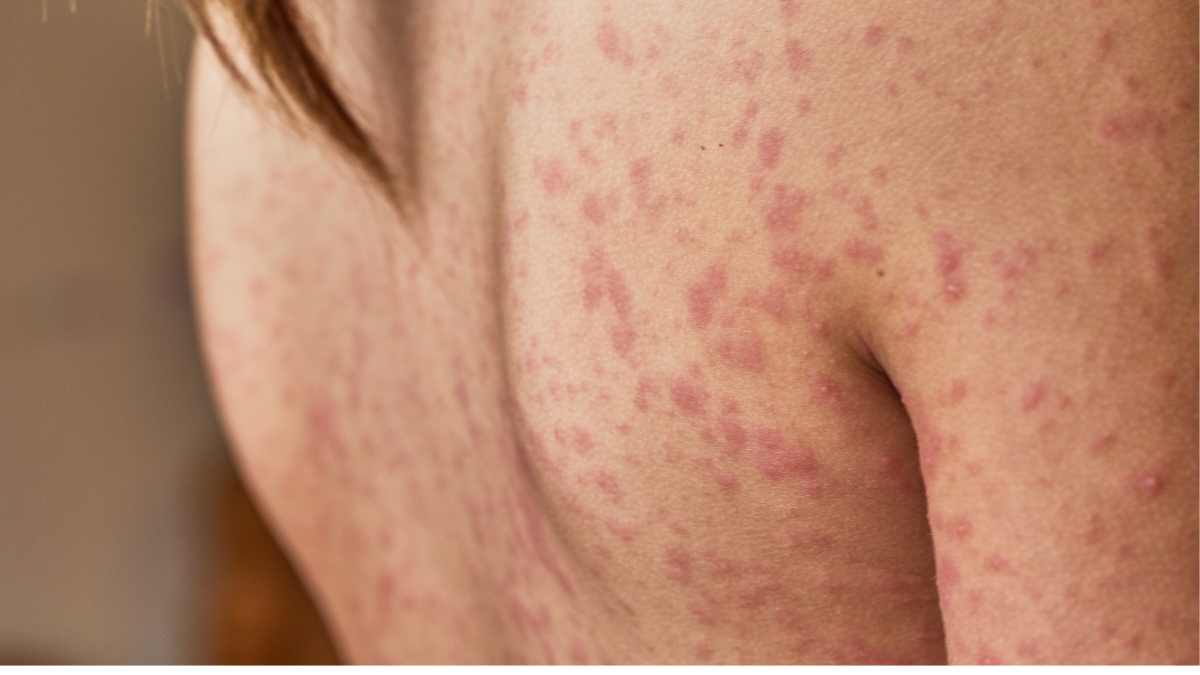
Hickey-like rashes can present as red or purple marks on the skin, often resembling the bruising associated with a hickey. These rashes may vary in size and shape, sometimes appearing as blotches or streaks. The color intensity can range from bright red to deep purple, depending on the underlying cause and the duration of the rash. Additionally, they may be accompanied by other symptoms such as itching, swelling, or tenderness, which can help differentiate them from a typical hickey.
The texture of these rashes can also vary. Some may feel smooth to the touch, while others might be raised or bumpy. In some cases, the affected area may exhibit signs of irritation or inflammation, such as warmth or a burning sensation. The duration of these rashes can differ significantly; while a hickey typically fades within a week or two, a rash may persist longer depending on its cause.
Another important characteristic to note is the location of the rash. Hickeys are usually found on the neck or other areas where skin-to-skin contact occurs, whereas hickey-like rashes can appear anywhere on the body. This variability in location can be a key factor in distinguishing between the two. Understanding these characteristics is essential for anyone experiencing a rash that resembles a hickey.
Finally, it’s important to consider the context in which the rash appears. If a person has recently engaged in activities that could lead to skin irritation or allergic reactions, the likelihood of a hickey-like rash increases. Recognizing these contextual clues can aid in the initial assessment and guide further investigation.
Common Causes of Rashes That Resemble Hickeys
Several conditions can lead to the development of rashes that mimic hickeys. One common cause is contact dermatitis, which occurs when the skin comes into contact with an irritant or allergen. This can lead to localized redness and swelling that may resemble a hickey. Common irritants include certain soaps, cosmetics, or even fabrics that cause friction against the skin.
Another potential cause is urticaria, commonly known as hives. Hives can appear as raised, red welts on the skin and may vary in size. They often itch and can develop rapidly in response to allergens, stress, or environmental factors. In some cases, they may cluster together, creating a pattern that could be mistaken for a hickey.
Infections can also result in hickey-like rashes. For instance, conditions such as impetigo or folliculitis can create red, inflamed areas on the skin that resemble bruising. These infections may be accompanied by additional symptoms, such as pus or crusting, which can help in distinguishing them from hickeys.
Finally, vascular issues, such as petechiae or purpura, can lead to the appearance of hickey-like marks. These conditions involve bleeding under the skin and can be caused by various factors, including infections, medications, or underlying health issues. Recognizing these potential causes is crucial for proper diagnosis and treatment.
Distinguishing Between Hickeys and Dermatitis Rashes
Differentiating between hickeys and dermatitis rashes involves careful observation of several factors. One of the primary distinctions is the presence of accompanying symptoms. Hickeys typically do not cause itching or discomfort, while dermatitis rashes often come with these sensations. If a rash is itchy or painful, it is more likely to be dermatitis rather than a hickey.
Another key factor is the duration and progression of the rash. Hickeys generally fade over time, while dermatitis rashes may persist or worsen if the irritant or allergen remains in contact with the skin. Observing how the rash evolves can provide valuable clues for diagnosis.
The location of the rash is also significant. While hickeys are usually found on the neck or areas of intimate contact, dermatitis can appear anywhere on the body. If a rash appears in an unusual location, it may indicate a different underlying cause.
Lastly, a thorough medical history can aid in distinguishing between the two. If the individual has a history of allergies, skin conditions, or recent exposure to irritants, it may point towards a dermatitis rash. Consulting a healthcare professional for an accurate assessment is essential, especially if the rash persists or worsens.
The Role of Allergies in Rash Presentation
Allergies play a significant role in the presentation of rashes that resemble hickeys. When the immune system reacts to a substance it perceives as harmful, it can trigger a variety of skin responses. This can manifest as redness, swelling, and irritation, which may mimic the appearance of a hickey.
Common allergens include certain foods, medications, and environmental factors such as pollen or pet dander. In cases of allergic contact dermatitis, the rash develops in response to direct contact with an allergen, leading to localized inflammation. This inflammation can create marks that look similar to hickeys, particularly if the reaction is severe.
Additionally, systemic allergic reactions can lead to widespread skin involvement. Conditions such as anaphylaxis may result in hives or other rashes that can be mistaken for bruising or hickeys. Recognizing the signs of an allergic reaction is crucial, as some can be life-threatening and require immediate medical attention.
Understanding the role of allergies in rash presentation is vital for effective management. Avoiding known allergens and seeking appropriate treatment can help alleviate symptoms and prevent recurrence. Individuals with a history of allergies should be vigilant in monitoring their skin for any unusual changes.
Clinical Diagnosis: Identifying Rash Types Accurately
Accurate clinical diagnosis is essential for identifying the type of rash and determining the appropriate treatment. Healthcare professionals typically begin with a thorough medical history and physical examination. This includes asking about the onset, duration, and characteristics of the rash, as well as any associated symptoms.
In some cases, additional diagnostic tests may be necessary. For instance, a skin biopsy can help differentiate between various skin conditions, including hives, dermatitis, and infections. Patch testing may also be employed to identify specific allergens responsible for contact dermatitis.
Laboratory tests can provide further insights into underlying causes. Blood tests may be conducted to assess for systemic conditions that could lead to skin changes, such as autoimmune disorders or infections. These tests can help rule out more serious health issues that may present with hickey-like rashes.
Ultimately, a multidisciplinary approach may be required for complex cases. Collaboration between dermatologists, allergists, and primary care physicians can ensure comprehensive evaluation and management. Accurate diagnosis is crucial for effective treatment and to alleviate any concerns related to the appearance of hickey-like rashes.
Treatment Options for Hickey-Like Skin Conditions
Treatment for hickey-like rashes depends on the underlying cause. For contact dermatitis, the first step is to identify and eliminate the irritant or allergen. Topical corticosteroids may be prescribed to reduce inflammation and alleviate symptoms. Over-the-counter antihistamines can also help relieve itching associated with allergic reactions.
In cases of urticaria, antihistamines are the primary treatment option. These medications can help control itching and reduce the appearance of hives. In more severe cases, a healthcare provider may prescribe corticosteroids or other medications to manage symptoms effectively.
If an infection is present, antibiotics or antifungal treatments may be necessary. It is essential to follow the prescribed treatment regimen to ensure complete resolution of the infection and prevent complications.
For vascular conditions such as petechiae or purpura, the underlying cause must be addressed. This may involve managing any systemic issues or adjusting medications that contribute to the rash. Regular follow-up with a healthcare provider is crucial to monitor progress and make necessary adjustments to the treatment plan.
Conclusions:
Rashes that resemble hickeys can arise from various causes, including dermatitis, allergies, infections, and vascular issues. Understanding the characteristics and potential causes of these rashes is essential for accurate diagnosis and effective treatment. If you experience a rash that resembles a hickey, it is advisable to consult a healthcare professional for a thorough evaluation and appropriate management.
Read more
-
American Academy of Dermatology – Contact Dermatitis
This resource provides comprehensive information on contact dermatitis, including causes, symptoms, and treatment options. -
Mayo Clinic – Urticaria (Hives)
The Mayo Clinic offers an overview of hives, detailing symptoms, causes, and effective management strategies. -
National Eczema Association – Eczema and Allergies
This article discusses the relationship between eczema and allergies, providing insights into how allergic reactions can affect the skin. -
Cleveland Clinic – Petechiae and Purpura
This resource explains the conditions of petechiae and purpura, including their causes and when to seek medical attention. -
WebMD – Skin Rashes
WebMD offers a comprehensive guide to various skin rashes, including symptoms, causes, and treatment options.