

Introduction:
Skin rashes and itching are common issues that can arise from various factors, including allergies, irritants, or underlying medical conditions. Finding the right soap can play a crucial role in alleviating these symptoms. This article will explore the causes and symptoms of skin rashes, the role of soap in managing irritations, key ingredients to look for, soaps to avoid, recommended products, and best practices for using soap on sensitive skin.
Understanding Skin Rashes: Causes and Symptoms
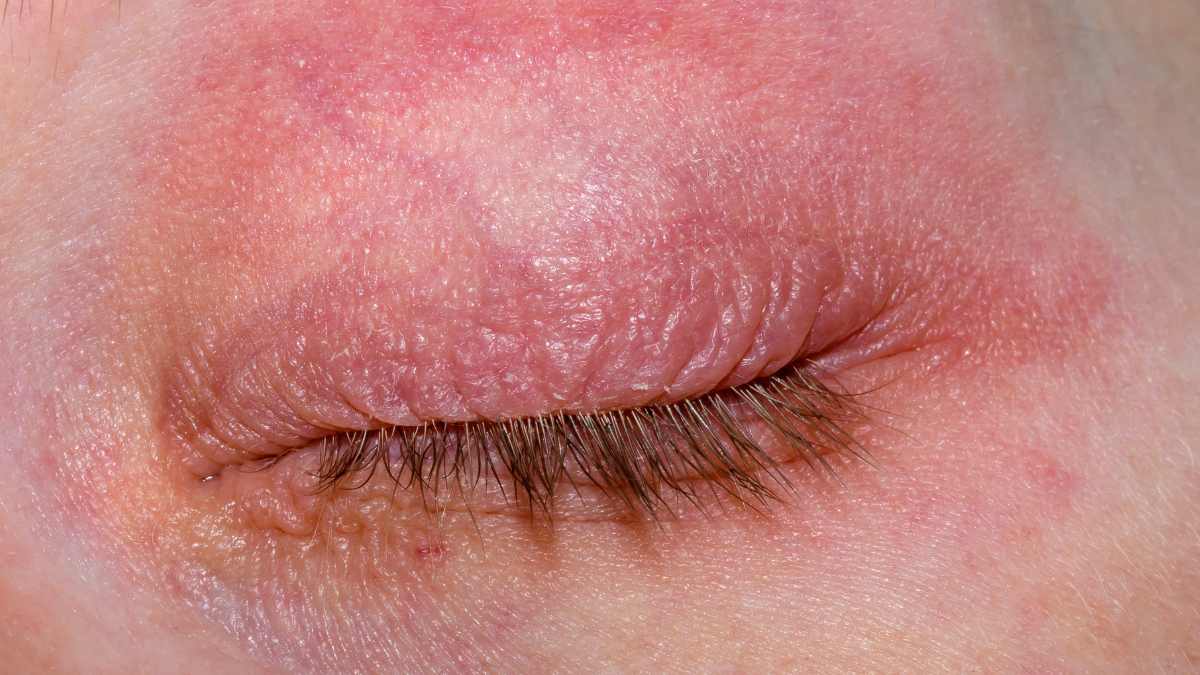
Skin rashes can manifest in numerous forms, including redness, swelling, and itching. They may be triggered by a variety of factors such as allergic reactions, irritants, infections, or even stress. Understanding the underlying cause of a rash is essential for effective treatment. For instance, contact dermatitis occurs when the skin reacts to an allergen or irritant, while conditions like eczema may be linked to genetic factors.
Symptoms of skin rashes can vary significantly from person to person. Common signs include itching, burning sensations, and dry patches. In some cases, rashes may present with blisters or weeping lesions, indicating a more severe reaction. Identifying the symptoms early can help in determining the appropriate course of action, including the selection of suitable skincare products.
Moreover, rashes can be classified into acute or chronic types. Acute rashes often resolve quickly with appropriate treatment, while chronic rashes may require ongoing management. Understanding the duration and nature of the rash can guide individuals in seeking medical advice when necessary.
In summary, recognizing the causes and symptoms of skin rashes is the first step toward effective management. This understanding allows individuals to select appropriate products, including soaps that can help soothe irritated skin.
The Role of Soap in Managing Skin Irritations
Soap serves as a fundamental component of skincare routines, especially for those dealing with rashes and itching. The primary function of soap is to cleanse the skin, removing dirt, oil, and irritants that may exacerbate skin conditions. However, not all soaps are created equal; some can worsen symptoms, while others can provide much-needed relief.
Using the right soap can help maintain the skin’s natural barrier, which is crucial for preventing moisture loss and protecting against irritants. Soaps formulated for sensitive skin often contain gentle ingredients that cleanse without stripping the skin of its natural oils. This is particularly important for individuals with conditions like eczema or psoriasis, where the skin barrier is already compromised.
Additionally, some soaps are specifically designed to address inflammation and itching. These products may contain anti-inflammatory properties that can soothe irritated skin, providing immediate relief. When selecting a soap, it is essential to consider not only its cleansing capabilities but also its potential therapeutic benefits.
In conclusion, soap plays a vital role in managing skin irritations. By choosing the right product, individuals can effectively cleanse their skin while minimizing the risk of aggravating existing conditions.
Key Ingredients to Look for in Soaps for Rashes
When searching for soaps that can help alleviate rashes and itching, certain ingredients stand out for their beneficial properties. Glycerin is a popular choice, as it acts as a humectant, drawing moisture into the skin and helping to keep it hydrated. This is especially important for individuals with dry or sensitive skin, as adequate moisture can significantly reduce itching and irritation.
Another key ingredient to look for is oatmeal, particularly colloidal oatmeal. This natural ingredient has been used for centuries to soothe irritated skin. It possesses anti-inflammatory properties that can help calm redness and itching, making it an excellent choice for those suffering from rashes.
Aloe vera is another beneficial ingredient commonly found in soaps for sensitive skin. Known for its soothing and moisturizing properties, aloe vera can help reduce inflammation and promote healing. Its gentle nature makes it suitable for even the most sensitive skin types.
Lastly, consider soaps that contain ceramides. These lipids are naturally found in the skin and help to restore the skin barrier, locking in moisture and protecting against irritants. Soaps enriched with ceramides can be particularly beneficial for individuals with chronic skin conditions.
In summary, when selecting soaps for rashes and itching, look for ingredients like glycerin, oatmeal, aloe vera, and ceramides. These components can help soothe and protect the skin, providing much-needed relief.
Soaps to Avoid: Ingredients That May Aggravate Symptoms
While some ingredients can benefit irritated skin, others may exacerbate symptoms and should be avoided. Fragrances are among the most common culprits, as they can cause allergic reactions or irritation in sensitive individuals. Many commercial soaps contain synthetic fragrances, which may not be suitable for those with skin rashes.
Another ingredient to steer clear of is sodium lauryl sulfate (SLS). This surfactant is often used for its foaming properties but can be harsh on the skin, stripping it of natural oils and leading to dryness and irritation. Individuals with sensitive skin or pre-existing conditions should opt for SLS-free products.
Alcohol is another ingredient that can worsen skin irritations. While it may provide a refreshing sensation, alcohol can be extremely drying and irritating, particularly for already compromised skin. Soaps containing high levels of alcohol should be avoided to prevent further discomfort.
Lastly, parabens and other preservatives can also be problematic for some individuals. These chemicals may cause allergic reactions or skin sensitivities, making it essential to choose products labeled as paraben-free. Always check ingredient lists to ensure that the soap you select aligns with your skin’s needs.
In conclusion, avoiding soaps with fragrances, SLS, alcohol, and parabens is crucial for individuals dealing with rashes and itching. Choosing gentle, hypoallergenic products can help prevent aggravation of symptoms.
Recommended Soaps for Rashes and Itchy Skin Relief
Several soaps are specifically formulated to provide relief from rashes and itchy skin. Dove Sensitive Skin Bar is a popular choice, known for its moisturizing properties and lack of harsh chemicals. This soap is free from fragrances and is designed to cleanse without stripping the skin of its natural moisture.
Another excellent option is Aveeno Skin Relief Body Wash, which contains colloidal oatmeal. This product is specifically formulated to soothe dry, itchy skin and is clinically proven to provide relief from irritation. Its gentle formula makes it suitable for daily use, even for those with sensitive skin.
Cetaphil Gentle Cleansing Bar is also highly recommended for individuals with skin rashes. This soap-free bar is designed to cleanse without irritating the skin, making it ideal for those with conditions like eczema or psoriasis. Its non-comedogenic formula ensures that it won’t clog pores, further promoting skin health.
Lastly, consider Eucerin Skin Calming Body Wash, which contains natural omega oils and is free from fragrances and dyes. This body wash is specifically formulated to relieve dry, itchy skin and is suitable for daily use. Its gentle formulation helps maintain the skin’s moisture balance while providing soothing relief.
In summary, products like Dove Sensitive Skin Bar, Aveeno Skin Relief Body Wash, Cetaphil Gentle Cleansing Bar, and Eucerin Skin Calming Body Wash are excellent choices for managing rashes and itchy skin. These soaps are designed to cleanse gently while providing therapeutic benefits.
Best Practices for Using Soap on Sensitive Skin Types
Using soap on sensitive skin requires a careful approach to avoid exacerbating existing issues. First and foremost, always opt for lukewarm water instead of hot water when washing. Hot water can strip the skin of its natural oils, leading to increased dryness and irritation. Lukewarm water helps to maintain the skin’s moisture balance.
When applying soap, use gentle, circular motions to cleanse the skin. Avoid scrubbing vigorously, as this can irritate sensitive areas and worsen rashes. Instead, focus on applying the soap lightly and allowing it to do its job without excessive friction.
After cleansing, it is essential to pat the skin dry with a soft towel rather than rubbing it. Rubbing can cause further irritation, especially on already sensitive areas. Patting helps to retain some moisture on the skin’s surface, which is beneficial for hydration.
Finally, consider following up with a suitable moisturizer immediately after washing. Applying a moisturizer while the skin is still slightly damp can help lock in moisture and provide a protective barrier against irritants. Look for products that are fragrance-free and formulated for sensitive skin to ensure compatibility.
In conclusion, adopting best practices such as using lukewarm water, applying soap gently, patting dry, and moisturizing afterward can significantly improve the experience of using soap on sensitive skin types.
Conclusions:
Finding the right soap for rashes and itching can significantly impact skin health and comfort. By understanding the causes and symptoms of skin rashes, recognizing the role of soap, and selecting appropriate ingredients, individuals can make informed choices that promote healing and relief. Avoiding harmful ingredients and following best practices for sensitive skin will further enhance the effectiveness of chosen products.
Read more:
- American Academy of Dermatology – Skin Rashes – A comprehensive resource on various skin rashes, their causes, and treatments.
- Mayo Clinic – Eczema – An informative guide on eczema, including symptoms and management strategies.
- Cleveland Clinic – Contact Dermatitis – Detailed information about contact dermatitis, its causes, and treatment options.
- National Eczema Association – Skin Care – Expert advice on skincare routines for individuals with eczema and sensitive skin.
- WebMD – Itchy Skin – A resource discussing various causes of itchy skin and potential remedies.