

Se hai un abbonamento attivo ACCEDI QUI
Introduction:
Rashes are common skin conditions that can arise from various causes, including allergies, infections, and underlying medical issues. While many rashes are harmless and can be managed at home, some require immediate medical attention. Understanding when a rash signals a more serious problem is crucial for ensuring timely treatment and preventing complications. This article will explore the nuances of rashes, highlighting when to seek emergency care.
Understanding Rashes: When to Seek Emergency Care
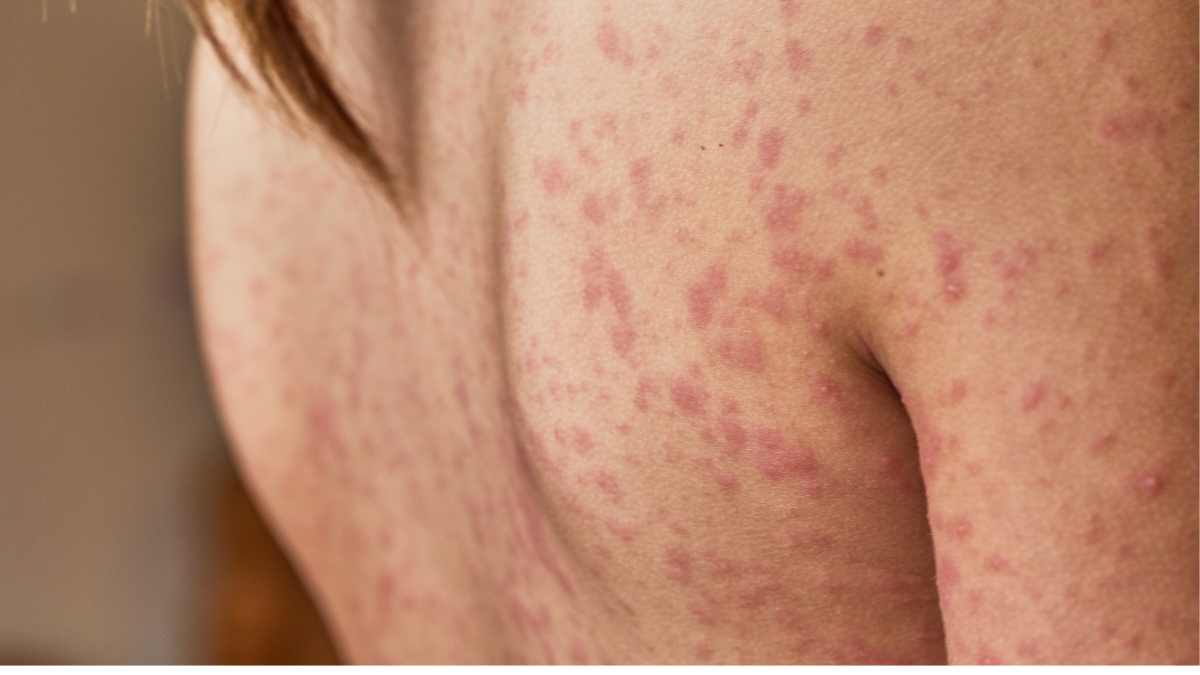
Rashes can manifest in numerous forms, from mild redness and irritation to severe blistering and peeling. They may be localized or widespread and can appear suddenly or develop gradually. Recognizing the characteristics of a rash is essential in determining its severity. For instance, rashes that are accompanied by other symptoms, such as fever, swelling, or difficulty breathing, may indicate a more serious condition that necessitates immediate medical evaluation.
In many cases, rashes can be attributed to benign causes such as contact dermatitis or minor infections. However, it is important to remain vigilant and assess the accompanying symptoms. If a rash appears suddenly and is accompanied by systemic symptoms, such as chills or malaise, it may warrant a trip to the emergency room. Understanding the context in which a rash develops can also provide vital clues; for example, rashes following insect bites or exposure to known allergens should be evaluated promptly.
Moreover, the duration and progression of a rash can signal its severity. Rashes that worsen over time or do not respond to over-the-counter treatments should be assessed by a healthcare professional. This is particularly important for individuals with pre-existing conditions, such as autoimmune diseases, which may complicate the presentation and treatment of rashes.
Lastly, it is essential to consider the patient’s age and overall health. Infants, elderly individuals, and those with compromised immune systems are at a higher risk for complications from rashes. Therefore, erring on the side of caution and seeking emergency care when in doubt is always advisable.
Identifying Severe Symptoms Associated with Rashes
Certain symptoms accompanying a rash can indicate a medical emergency. These symptoms include difficulty breathing, chest pain, swelling of the face or throat, and high fever. If any of these symptoms occur alongside a rash, immediate medical attention is necessary, as they may signify an allergic reaction or anaphylaxis, which can be life-threatening.
Another critical symptom to watch for is the presence of blisters. Blistering rashes, particularly those that ooze or crust over, can indicate infections such as impetigo or herpes simplex. These conditions may require antiviral or antibiotic treatment to prevent further complications. Additionally, rashes that are painful or itchy to the point of disrupting daily activities should be evaluated by a healthcare professional.
Rashes that are associated with joint pain, swelling, or systemic symptoms like fatigue may also indicate underlying conditions such as lupus or other autoimmune disorders. These conditions can have serious health implications and should be addressed promptly.
Finally, rashes that appear after recent travel, particularly to areas known for infectious diseases, should be taken seriously. Travel-related rashes may indicate diseases such as dengue fever or Zika virus, which require immediate medical intervention.
Common Rashes That Require Immediate Medical Attention
Several specific rashes are known to require urgent care due to their potential complications. For instance, a rash that appears suddenly and is accompanied by fever may indicate conditions such as meningitis or sepsis. These serious infections can escalate quickly, leading to severe health consequences if not treated promptly.
Another concerning type of rash is the petechial rash, characterized by small, pinpoint red or purple spots on the skin. This type of rash can be a sign of a bleeding disorder or serious infections such as meningococcemia. If a petechial rash develops, especially in conjunction with fever and other systemic symptoms, it is crucial to seek emergency care immediately.
Erythema multiforme is another rash that can present as target-like lesions on the skin. This condition may be triggered by infections or medications and can lead to more severe reactions, including Stevens-Johnson syndrome. If you notice a rash resembling this description, especially if it is accompanied by fever or mucosal involvement, it is essential to visit the ER.
Finally, rashes associated with severe allergic reactions, such as urticaria (hives) or angioedema (swelling), necessitate immediate medical attention. These reactions can progress rapidly and may require interventions such as epinephrine administration. Recognizing these common rashes and their implications can help ensure timely treatment and better outcomes.
Assessing Risk Factors for Serious Rash Complications
Certain individuals may be at a higher risk for complications from rashes due to underlying health conditions. Patients with chronic illnesses, such as diabetes or heart disease, may experience more severe reactions to rashes and should be monitored closely. Their compromised health status can lead to increased susceptibility to infections and delayed healing.
Age is another significant risk factor. Infants and young children often have more sensitive skin and may react more severely to rashes. Their immune systems are still developing, making them more vulnerable to complications. Similarly, elderly adults may have thinner skin and comorbidities that complicate rash management.
Medications can also play a crucial role in determining the severity of a rash. Patients taking immunosuppressive drugs or antibiotics may be at a higher risk for developing rashes as a side effect or due to opportunistic infections. It is essential for these individuals to be vigilant and seek medical advice if they notice any changes in their skin.
Finally, a history of allergies or previous severe reactions can indicate a higher risk for complications. Individuals with known allergies should be particularly cautious and seek emergency care if they develop a rash after exposure to allergens. Understanding these risk factors can empower patients to make informed decisions about their health and when to seek emergency care.
Emergency Response: First Steps for Rash Management
If you or someone you know is experiencing a rash that may require emergency care, the first step is to assess the situation calmly. Gather information about the rash, including when it started, any accompanying symptoms, and potential triggers. This information can be invaluable for healthcare providers in determining the appropriate course of action.
If the rash is accompanied by severe symptoms such as difficulty breathing or swelling, call emergency services immediately. Do not attempt to drive yourself or the affected person to the hospital, as this can delay critical care. Instead, focus on keeping the individual calm and comfortable while waiting for help to arrive.
For rashes that do not present with life-threatening symptoms but still warrant medical attention, consider visiting urgent care or the emergency room. Bringing along any medications, allergy information, and a list of symptoms can help healthcare providers make a more accurate diagnosis.
In the meantime, avoid applying any topical treatments or medications unless advised by a healthcare professional. Some treatments may exacerbate the rash or complicate the diagnosis. Keeping the affected area clean and avoiding irritants can help minimize discomfort until professional care is obtained.
Conclusion: Making Informed Decisions About ER Visits
Understanding when to seek emergency care for a rash is essential for ensuring timely and appropriate treatment. By recognizing the symptoms that indicate a potential emergency, individuals can take proactive steps to protect their health. It is vital to assess the severity of the rash, any accompanying symptoms, and personal risk factors to make informed decisions.
While many rashes are benign and can be managed at home, those accompanied by severe symptoms or those that worsen over time should prompt a visit to the emergency room. Taking the time to evaluate the situation and seek care when necessary can prevent complications and lead to better health outcomes.
Ultimately, awareness and education about rashes and their implications empower individuals to navigate their health effectively. When in doubt, it is always best to err on the side of caution and seek medical advice.
Read more:
- Mayo Clinic – Rashes – A comprehensive overview of various types of rashes and their causes.
- WebMD – When to Go to the ER – Guidelines for knowing when to seek emergency care for various conditions, including rashes.
- American Academy of Dermatology – Skin Rashes – Information on common skin rashes and when to seek treatment.
- Cleveland Clinic – Skin Rashes – Insights into different types of skin rashes and their management.
- Healthline – Rash Symptoms – A detailed look at the symptoms associated with rashes and when to seek medical help.