

Introduction:
Mono rash is a skin manifestation commonly associated with infectious mononucleosis, primarily caused by the Epstein-Barr virus (EBV). This condition is characterized by a variety of symptoms, including fever, sore throat, and fatigue, but the appearance of a rash can often be a critical indicator of the underlying illness. Understanding the characteristics, locations, and clinical presentation of mono rash is essential for accurate diagnosis and management. This article will explore the various aspects of mono rash, including its common locations on the body, symptoms, differential diagnoses, diagnostic approaches, and effective treatment strategies.
Understanding Mono Rash: An Overview of Its Characteristics
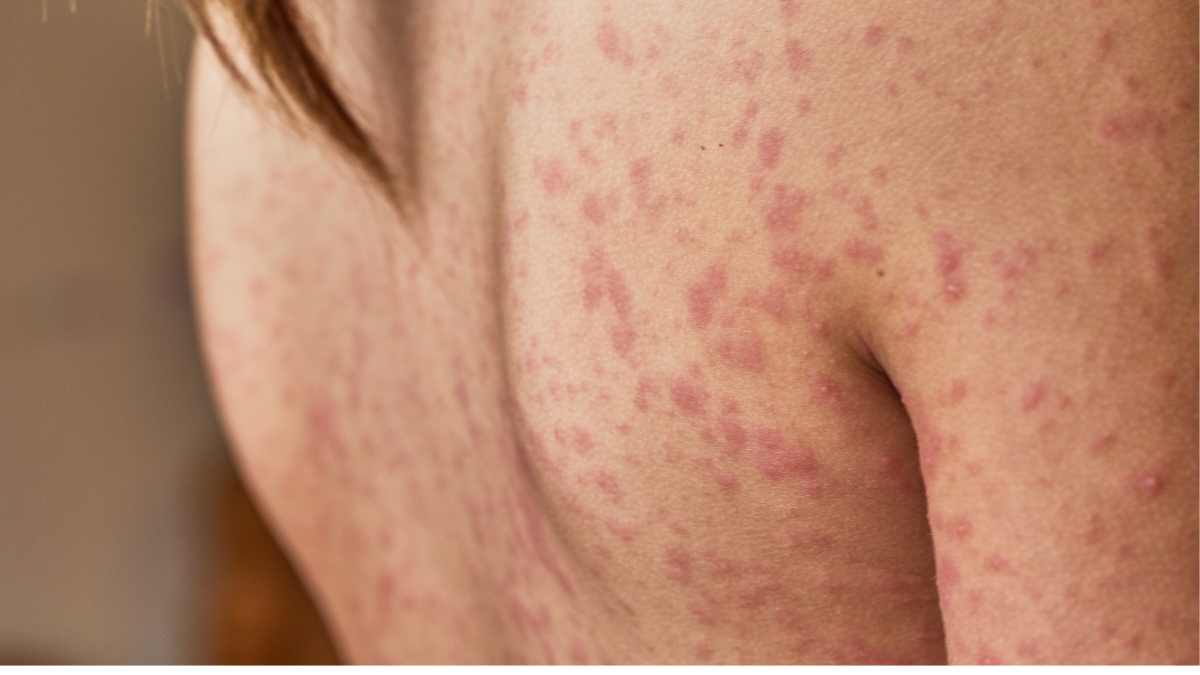
Mono rash typically presents as a maculopapular rash, which consists of both flat and raised red lesions on the skin. This rash is often non-itchy and can vary in size and distribution, making it a unique feature of the condition. While it is not present in all cases of infectious mononucleosis, when it does occur, it may serve as a significant clinical clue for healthcare providers. The rash can appear anywhere on the body but is most commonly seen on the trunk and extremities.
One of the most striking characteristics of mono rash is its association with certain medications, particularly ampicillin and amoxicillin. Patients who are treated with these antibiotics for secondary bacterial infections may develop a rash that resembles that of infectious mononucleosis, leading to confusion in diagnosis. Therefore, understanding the relationship between drug exposure and rash development is crucial for clinicians.
The rash itself can be transient, often resolving within a few days to weeks as the underlying viral infection is managed. In some cases, it may be accompanied by other symptoms, including lymphadenopathy and splenomegaly. The presence of a rash in conjunction with these symptoms can help clinicians narrow down the possible causes of the patient’s illness.
Furthermore, the timing of the rash’s appearance can vary. It may develop early in the course of the illness or may appear later, often coinciding with the peak of systemic symptoms. This variability can complicate the clinical picture and underscores the importance of a thorough patient history and examination.
Common Locations of Mono Rash on the Body
The distribution of mono rash is typically widespread, with common locations including the trunk, arms, and legs. The rash may appear as red spots or patches, often merging to form larger areas of involvement. The trunk is particularly susceptible, and rashes may cover significant portions of the chest and back.
In addition to the trunk, the upper extremities often exhibit rash involvement. Patients may notice red spots on their arms and shoulders, which can be alarming but are usually benign. The presence of rash on the extremities can sometimes lead to misdiagnosis, particularly if the clinician does not consider infectious mononucleosis as a potential cause.
The lower extremities are also affected, although less frequently than the upper body. Rash on the legs may present as petechiae or purpura, which can be mistaken for other hematological conditions. Understanding the typical locations of mono rash can aid in differentiating it from other dermatological issues.
Lastly, while the face is not a common site for mono rash, some patients may experience mild facial involvement. This can include erythema or a flushed appearance, which may contribute to the overall clinical picture of infectious mononucleosis.
Clinical Presentation: Identifying Mono Rash Symptoms
In addition to the visible rash, patients with mono rash often present with a constellation of systemic symptoms. These may include severe fatigue, fever, sore throat, and swollen lymph nodes. The combination of these symptoms, along with the rash, can provide critical insights into the underlying cause of the patient’s condition.
The timing of symptom onset is also crucial. Mono rash typically develops after the initial presentation of systemic symptoms, which may last for several days to weeks. Clinicians should be aware of this progression, as it can help in forming a differential diagnosis.
Another important aspect of the clinical presentation is the demographics of affected individuals. Infectious mononucleosis is most commonly seen in adolescents and young adults, and the rash may manifest differently in this population compared to older adults or children. Understanding these demographic factors can guide clinicians in their diagnostic approach.
Finally, the psychosocial impact of the rash should not be overlooked. Patients may experience anxiety or distress related to the appearance of the rash, which can affect their overall well-being. Addressing these concerns as part of the clinical management is essential for providing comprehensive care.
Differential Diagnosis: Distinguishing Mono Rash from Others
When evaluating a patient with mono rash, it is essential to consider a range of differential diagnoses. Conditions such as drug reactions, viral exanthems, and other infectious diseases can present with similar rashes. For instance, a drug-induced rash may mimic mono rash, particularly in patients receiving antibiotics for secondary infections.
Other viral infections, such as rubella or measles, can also cause rashes that may be confused with mono rash. Clinicians must take a thorough patient history, including recent exposures and vaccination status, to differentiate between these conditions effectively. This is particularly important in pediatric populations, where viral exanthems are more common.
In addition to infectious causes, autoimmune conditions such as lupus erythematosus can present with rashes that may resemble mono rash. A comprehensive evaluation, including laboratory tests and imaging studies, may be necessary to rule out these conditions.
Finally, dermatological conditions such as eczema or psoriasis should also be considered. While these conditions typically have distinct features, overlapping symptoms can occur, necessitating a careful examination and clinical judgment.
Diagnostic Approaches for Confirming Mono Rash Presence
Confirming the presence of mono rash involves a combination of clinical evaluation and laboratory testing. A thorough history and physical examination are essential first steps in the diagnostic process. Clinicians should assess the characteristics of the rash, its distribution, and any associated symptoms.
Laboratory tests play a crucial role in confirming the diagnosis of infectious mononucleosis. The heterophile antibody test, commonly known as the Monospot test, is often the first-line diagnostic tool. A positive result can support the diagnosis of mono rash when correlated with clinical findings.
In some cases, more specific serological tests may be warranted. Testing for antibodies against EBV, such as VCA-IgM and VCA-IgG, can provide additional confirmation of the viral infection. These tests can help distinguish between acute and past infections, which is important for understanding the patient’s clinical status.
Finally, additional tests may be necessary to evaluate for complications associated with infectious mononucleosis, such as splenic enlargement or liver involvement. Imaging studies, such as ultrasound, can help assess these complications and guide management decisions.
Treatment Strategies for Managing Mono Rash Effectively
Management of mono rash primarily focuses on addressing the underlying viral infection and alleviating symptoms. Supportive care is the cornerstone of treatment, including rest, hydration, and analgesics for pain relief. Patients are often advised to avoid strenuous activities, particularly contact sports, to prevent splenic rupture.
In cases where the rash is associated with drug reactions, discontinuation of the offending medication is crucial. Antihistamines may be prescribed to alleviate any itching or discomfort associated with the rash, although mono rash is typically non-itchy.
For patients experiencing severe symptoms, such as significant fatigue or fever, corticosteroids may be considered in certain situations. However, their use should be approached with caution, as they can suppress the immune response and complicate the course of the viral infection.
Finally, patient education is vital in the management of mono rash. Patients should be informed about the nature of the rash, its expected course, and when to seek further medical attention. This proactive approach can help alleviate anxiety and improve patient outcomes.
Conclusions:
In summary, mono rash is a significant clinical manifestation of infectious mononucleosis, characterized by its distinctive appearance and association with systemic symptoms. Understanding its characteristics, common locations, clinical presentation, differential diagnoses, diagnostic approaches, and treatment strategies is essential for effective management. By recognizing the nuances of mono rash, healthcare providers can ensure timely and appropriate care for affected individuals.
Read more
- Mayo Clinic – Infectious Mononucleosis – Comprehensive overview of infectious mononucleosis, including symptoms and treatment options.
- Cleveland Clinic – Mononucleosis – Detailed information on mono, its causes, symptoms, and management strategies.
- American Academy of Family Physicians – Infectious Mononucleosis – An article discussing the clinical features and management of infectious mononucleosis.
- National Institutes of Health – Epstein-Barr Virus – Research article on the Epstein-Barr virus and its association with infectious mononucleosis.
- DermNet – Drug Eruptions – Resource on drug eruptions, including information on distinguishing drug-related rashes from infectious causes.