

Introduction:
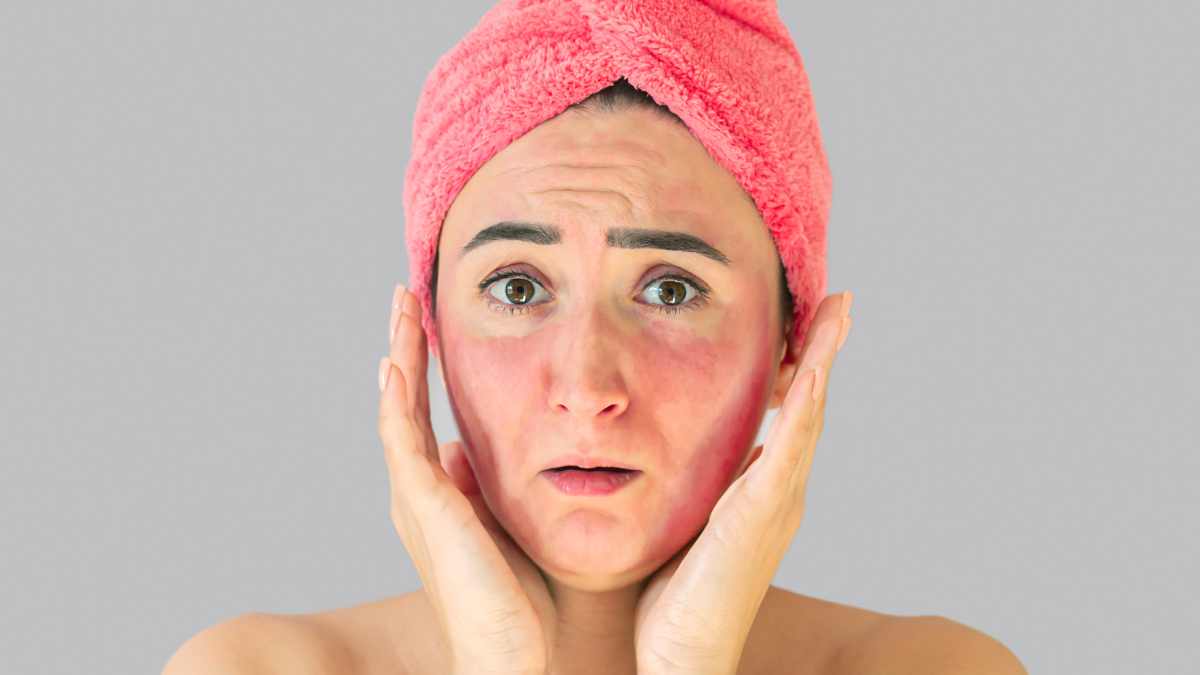
Antihistamines are a cornerstone in the management of allergic reactions, including skin rashes. These medications work by blocking the action of histamine, a compound released during allergic responses that contributes to inflammation and itchiness. With various antihistamines available, understanding their mechanisms, types, and efficacy can guide individuals in selecting the most appropriate treatment for their skin conditions. This article delves into the intricacies of antihistamines and provides insights into their use for rashes.
Understanding Antihistamines: Mechanism of Action Explained
Antihistamines are classified as H1 receptor antagonists, meaning they inhibit the binding of histamine to H1 receptors on cells. Histamine is responsible for many symptoms associated with allergic reactions, such as itching, swelling, and redness. By blocking these receptors, antihistamines effectively reduce the physiological responses triggered by histamine release, providing relief from discomfort associated with skin rashes.
The action of antihistamines is not instantaneous; it typically takes about 30 minutes to an hour for the effects to manifest. The duration of action varies among different antihistamines, with some providing relief for several hours while others may last up to a day. Understanding this mechanism is crucial for patients seeking timely relief from allergic skin reactions.
In addition to their primary role in blocking histamine, some antihistamines possess anticholinergic properties, which can further alleviate symptoms by reducing secretions and preventing additional irritation. This dual action can be particularly beneficial for individuals experiencing severe itching or discomfort from rashes.
Lastly, it is important to note that while antihistamines are effective for many allergic reactions, they do not address the underlying cause of the rash. For persistent or severe cases, it may be necessary to consult a healthcare professional for a comprehensive treatment plan.
Common Types of Antihistamines for Skin Reactions
Antihistamines are broadly categorized into two main types: first-generation and second-generation. First-generation antihistamines, such as diphenhydramine (Benadryl) and chlorpheniramine, are known for their sedative effects. These medications cross the blood-brain barrier, often leading to drowsiness, which can be beneficial for nighttime use but may hinder daytime activities.
Second-generation antihistamines, including cetirizine (Zyrtec), loratadine (Claritin), and fexofenadine (Allegra), are designed to minimize sedation while providing effective relief from allergic symptoms. These medications are less likely to penetrate the central nervous system, making them suitable for individuals needing to maintain alertness throughout the day.
Both types of antihistamines are effective in managing skin rashes caused by allergies, but their side effect profiles differ significantly. First-generation antihistamines may be more effective in acute allergic reactions due to their rapid onset of action, while second-generation options are preferred for long-term management due to their improved safety profile.
When selecting an antihistamine, it is essential to consider the specific symptoms, the severity of the rash, and the individual’s lifestyle needs. For example, someone experiencing severe itching at night may benefit from a first-generation antihistamine, whereas someone with daytime symptoms may prefer a second-generation option.
Comparing First-Generation and Second-Generation Antihistamines
When comparing first-generation and second-generation antihistamines, the most significant distinction lies in their sedative effects. First-generation antihistamines are notorious for causing drowsiness, which can be both an advantage and a disadvantage. For those suffering from severe itching at night, these medications can help promote sleep. However, for individuals who need to remain alert during the day, this sedation can be problematic.
Second-generation antihistamines, on the other hand, are formulated to minimize sedation while still effectively alleviating allergic symptoms. This makes them a preferred choice for many individuals, particularly those who require consistent relief without the drowsiness associated with first-generation options. Moreover, second-generation antihistamines typically have a longer duration of action, allowing for once-daily dosing in many cases.
Another important consideration is the side effect profile. First-generation antihistamines can cause dry mouth, blurred vision, and urinary retention due to their anticholinergic properties. In contrast, second-generation antihistamines are generally better tolerated, with fewer side effects reported. This makes them a safer option for long-term use, particularly in individuals with pre-existing health conditions.
Ultimately, the choice between first- and second-generation antihistamines should be guided by the specific needs of the patient, the nature of the rash, and any potential interactions with other medications. Consulting with a healthcare provider can help ensure the most appropriate selection based on individual circumstances.
Evaluating Efficacy: Which Antihistamine Works Best?
The efficacy of antihistamines for treating rashes can vary based on several factors, including the type of rash, the underlying cause, and individual patient response. Clinical studies have shown that both first- and second-generation antihistamines can effectively reduce itching and inflammation associated with allergic skin reactions. However, individual responses may differ, necessitating a trial-and-error approach for optimal results.
First-generation antihistamines, due to their rapid onset of action, may be more effective for acute allergic reactions. For example, diphenhydramine has been shown to provide quick relief for hives and other immediate allergic responses. However, their sedative effects can limit their use for some patients.
Second-generation antihistamines have been shown to be effective in managing chronic allergic conditions, such as allergic rhinitis and urticaria. Cetirizine, for instance, has demonstrated efficacy in reducing itching and improving overall quality of life for individuals with chronic skin conditions. Studies indicate that these medications can effectively manage symptoms without the sedative side effects commonly associated with first-generation options.
Ultimately, determining which antihistamine works best for a specific rash may require a personalized approach, taking into account the individual’s medical history, lifestyle, and symptom severity. It is advisable to consult a healthcare professional for tailored recommendations and to monitor the effectiveness of the chosen antihistamine.
Potential Side Effects of Antihistamines for Rashes
While antihistamines are generally safe and effective, they are not without potential side effects. First-generation antihistamines are particularly known for their sedative effects, which can lead to drowsiness, dizziness, and impaired coordination. These side effects can pose risks, especially for individuals who operate heavy machinery or drive.
In addition to sedation, first-generation antihistamines can cause anticholinergic side effects, including dry mouth, constipation, urinary retention, and blurred vision. These effects may be particularly concerning for older adults or individuals with pre-existing conditions such as glaucoma or prostate enlargement.
Second-generation antihistamines tend to have a more favorable side effect profile, with fewer reports of sedation and anticholinergic effects. However, some individuals may still experience mild side effects, such as headache or gastrointestinal discomfort. It is essential for patients to be aware of these potential reactions and to monitor their responses to the medication.
Before starting any antihistamine, it is advisable to discuss potential side effects with a healthcare provider, especially for those with underlying health conditions or those taking other medications. This proactive approach can help mitigate risks and ensure safe and effective treatment for allergic skin reactions.
Recommendations: Choosing the Right Antihistamine for You
Choosing the right antihistamine for managing rashes involves considering several factors, including the type of rash, symptom severity, and individual lifestyle needs. For acute allergic reactions, a first-generation antihistamine may be appropriate due to its rapid onset of action. However, if sedation is a concern, a second-generation option may be more suitable.
For chronic conditions, such as eczema or chronic urticaria, second-generation antihistamines are often recommended due to their improved safety profile and longer duration of action. Medications like cetirizine and loratadine can provide effective relief without the sedative side effects that may interfere with daily activities.
It is also essential to consider any pre-existing health conditions or medications that may interact with antihistamines. For instance, individuals with glaucoma or prostate issues should be cautious with first-generation antihistamines due to their anticholinergic effects. Consulting with a healthcare provider can help identify the most appropriate antihistamine based on individual circumstances.
Finally, monitoring the effectiveness of the chosen antihistamine is crucial. If symptoms persist or worsen, it may be necessary to reassess the treatment plan and explore alternative options or additional therapies.
Conclusions:
In summary, antihistamines play a vital role in managing allergic skin reactions, including rashes. Understanding the differences between first- and second-generation antihistamines, their mechanisms of action, and potential side effects can empower individuals to make informed choices about their treatment options. Ultimately, consulting with a healthcare professional can provide personalized recommendations and ensure safe and effective management of allergic skin conditions.
Read more
- American Academy of Dermatology – Allergic Skin Reactions – A comprehensive overview of allergic skin reactions, including common causes and treatments.
- Mayo Clinic – Antihistamines – Detailed information on antihistamines, their uses, and potential side effects.
- Cleveland Clinic – Understanding Antihistamines – An informative resource on the types of antihistamines and their effectiveness.
- National Institutes of Health – Antihistamines and Allergies – A research article discussing the efficacy of antihistamines in treating allergies.
- WebMD – Antihistamines: What You Need to Know – A user-friendly guide to antihistamines, including tips for choosing the right one for your needs.