

Introduction:
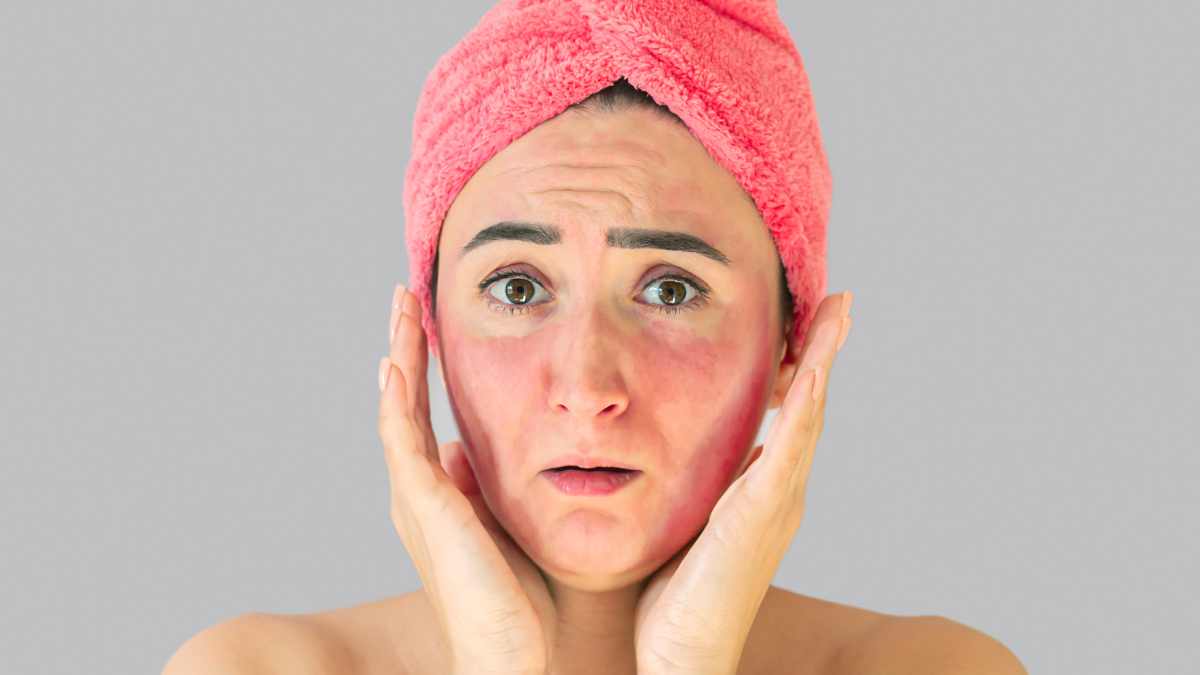
Bacterial infections can manifest in a variety of ways, with skin rashes being one of the most visible and often concerning symptoms. Among these, red rashes can indicate a range of underlying bacterial pathogens. Understanding which bacteria are responsible for these rashes, their mechanisms of action, and the appropriate treatment strategies is crucial for effective management. This article delves into the relationship between bacteria and red rashes, exploring the common pathogens involved, the inflammatory responses they trigger, and the clinical approaches to diagnosis and treatment.
Understanding Bacterial Infections and Skin Manifestations
Bacterial infections are caused by the invasion of pathogenic bacteria into the body, leading to a spectrum of clinical manifestations. The skin, being the largest organ, often serves as the first line of defense against these pathogens. When bacteria breach the skin barrier, they can provoke an inflammatory response, leading to visible symptoms such as redness, swelling, and pain. This response is mediated by the immune system, which recognizes bacterial components as foreign and mounts a defense.
The skin’s microbiome plays a significant role in maintaining homeostasis and preventing opportunistic infections. However, when the balance is disrupted—due to factors like skin injuries, immunosuppression, or environmental changes—certain bacteria can proliferate, resulting in dermatological manifestations. The interplay between the host’s immune response and the bacterial virulence factors determines the severity and type of rash that develops.
In addition to direct infection, some bacteria can produce toxins that lead to skin manifestations without direct invasion. For example, toxic shock syndrome toxin produced by Staphylococcus aureus can cause widespread skin redness and peeling, resembling a burn. Understanding these mechanisms is essential for distinguishing between different types of bacterial rashes.
Overall, bacterial skin infections can range from mild, self-limiting conditions to severe, life-threatening diseases. Recognizing the signs and symptoms early can significantly improve outcomes and prevent complications.
Common Bacterial Pathogens Associated with Red Rashes
Several bacterial pathogens are commonly associated with red rashes. Staphylococcus aureus is one of the most prevalent culprits, often causing conditions like impetigo, cellulitis, and folliculitis. Impetigo, characterized by red sores that can rupture and ooze, is particularly common in children and can be highly contagious. The presence of Staphylococcus aureus can also lead to more severe infections, such as abscesses and systemic infections.
Another significant pathogen is Streptococcus pyogenes, responsible for conditions like scarlet fever and cellulitis. Scarlet fever is marked by a distinctive red rash that feels like sandpaper and often accompanies a sore throat. This bacterium can also cause necrotizing fasciitis, a severe infection that rapidly destroys skin and soft tissue, necessitating immediate medical intervention.
Pseudomonas aeruginosa is another bacterium that can cause skin rashes, particularly in individuals with compromised immune systems or those with chronic wounds. It often leads to infections that present with a characteristic greenish hue due to its pigments, along with systemic symptoms.
Lastly, Corynebacterium diphtheriae, while primarily known for causing diphtheria, can also lead to skin manifestations, particularly in cases of cutaneous diphtheria. The rash associated with this bacterium typically appears as a grayish membrane that can be mistaken for other skin conditions.
Mechanisms of Skin Inflammation Induced by Bacteria
The mechanisms through which bacteria induce skin inflammation are multifaceted. Upon invasion, bacteria can trigger the innate immune response, which is the body’s first line of defense. This response includes the activation of immune cells, such as macrophages and neutrophils, which release pro-inflammatory cytokines. These cytokines, including interleukins and tumor necrosis factor-alpha (TNF-α), lead to increased blood flow and vascular permeability, resulting in redness and swelling.
Bacterial pathogens often possess virulence factors that enhance their ability to evade the immune response. For example, some strains of Staphylococcus aureus produce protein A, which binds to antibodies and inhibits opsonization, allowing the bacteria to persist longer in the host. Additionally, the production of exotoxins can directly damage host tissues, exacerbating inflammation and contributing to the characteristic rash.
In some cases, the immune response can become dysregulated, leading to excessive inflammation. This phenomenon is observed in conditions like toxic shock syndrome, where the overwhelming immune response to bacterial toxins results in systemic symptoms and widespread skin involvement.
Understanding these mechanisms is crucial for developing targeted therapies that can modulate the immune response and reduce inflammation, thereby alleviating the symptoms associated with bacterial skin infections.
Clinical Presentation: Identifying Bacterial Rash Characteristics
The clinical presentation of bacterial rashes can vary significantly depending on the causative organism and the host’s immune response. Generally, bacterial rashes are characterized by erythema, swelling, and sometimes the presence of pustules or vesicles. For instance, impetigo typically presents as honey-colored crusted lesions, while cellulitis manifests as a diffuse area of redness and swelling, often accompanied by fever and systemic symptoms.
In cases of Streptococcus pyogenes infection, the rash associated with scarlet fever is notable for its bright red color and rough texture, often described as feeling like sandpaper. This rash typically begins on the neck and face before spreading to the trunk and extremities.
Conversely, rashes caused by Pseudomonas aeruginosa can present with a greenish discoloration due to the bacteria’s pigments, often seen in infected wounds or burns. The surrounding skin may appear red and inflamed, indicating a localized infection.
It is essential for healthcare providers to perform a thorough clinical evaluation, including a detailed history and physical examination, to differentiate bacterial rashes from other dermatological conditions, such as viral rashes or allergic reactions. This differentiation is crucial for guiding appropriate treatment strategies.
Diagnostic Approaches for Bacterial Skin Infections
Accurate diagnosis of bacterial skin infections is vital for effective treatment. The diagnostic process often begins with a comprehensive clinical assessment, including a review of the patient’s medical history, symptoms, and a physical examination of the rash. However, clinical presentation alone may not always be sufficient to identify the specific bacterial pathogen involved.
Laboratory tests play a crucial role in confirming the diagnosis. Culture and sensitivity testing from swabs taken from the affected area can help identify the specific bacteria and determine its antibiotic susceptibility. This information is invaluable for guiding appropriate antibiotic therapy.
In some cases, additional diagnostic modalities may be employed. Polymerase chain reaction (PCR) testing can provide rapid and sensitive detection of bacterial DNA, particularly in cases where traditional cultures may be inadequate. Furthermore, imaging studies may be necessary to assess the extent of deeper tissue involvement, especially in cases of suspected necrotizing fasciitis.
Ultimately, a combination of clinical evaluation and laboratory testing is essential for accurate diagnosis and effective management of bacterial skin infections.
Treatment Strategies for Bacterial-Induced Red Rashes
Treatment of bacterial-induced red rashes typically involves the use of antibiotics, which may be administered topically or systemically, depending on the severity and extent of the infection. For localized infections such as impetigo, topical antibiotics like mupirocin or retapamulin are often effective. In more extensive infections or those involving deeper tissues, oral antibiotics such as cephalexin or clindamycin may be prescribed.
In cases of severe infections, particularly those caused by methicillin-resistant Staphylococcus aureus (MRSA), intravenous antibiotics such as vancomycin or daptomycin may be necessary. The choice of antibiotic should be guided by culture results and local resistance patterns to ensure optimal efficacy.
In addition to antibiotic therapy, supportive measures are essential for managing symptoms. This may include pain relief, wound care, and maintaining proper hygiene to prevent the spread of infection. In cases of significant inflammation, adjunctive therapies such as corticosteroids may be considered to reduce swelling and discomfort.
Ultimately, early recognition and appropriate treatment of bacterial skin infections are crucial for preventing complications and promoting healing.
Conclusions:
Bacterial infections can lead to a variety of skin manifestations, with red rashes being one of the most common presentations. Understanding the specific bacteria responsible, their mechanisms of action, and the appropriate diagnostic and treatment strategies is essential for effective management. By recognizing the signs and symptoms early, healthcare providers can implement timely interventions, improving patient outcomes and reducing the risk of complications.
Read more
-
CDC – Bacterial Skin Infections: A comprehensive overview of bacterial skin infections, their causes, and prevention strategies.
-
Mayo Clinic – Impetigo: Detailed information on impetigo, including symptoms, causes, and treatment options.
-
American Academy of Dermatology – Skin Infections: A resource for understanding various skin infections, including bacterial causes and management.
-
MedlinePlus – Cellulitis: An informative page on cellulitis, its symptoms, causes, and treatment approaches.
-
National Institutes of Health – Staphylococcus aureus: A research article discussing the pathogenicity of Staphylococcus aureus and its role in skin infections.