

Introduction:
Skin rashes are a common dermatological issue that can arise from various triggers, including allergens, irritants, infections, and underlying health conditions. With an array of creams available in the market, selecting the right one for effective relief can be daunting. This article delves into the types and causes of skin rashes, the key ingredients in creams designed for treatment, and the differences between over-the-counter and prescription options. Additionally, we will cover application techniques for optimal results and preventive measures to minimize future occurrences of skin rashes.
Understanding Skin Rashes: Types and Causes Explained
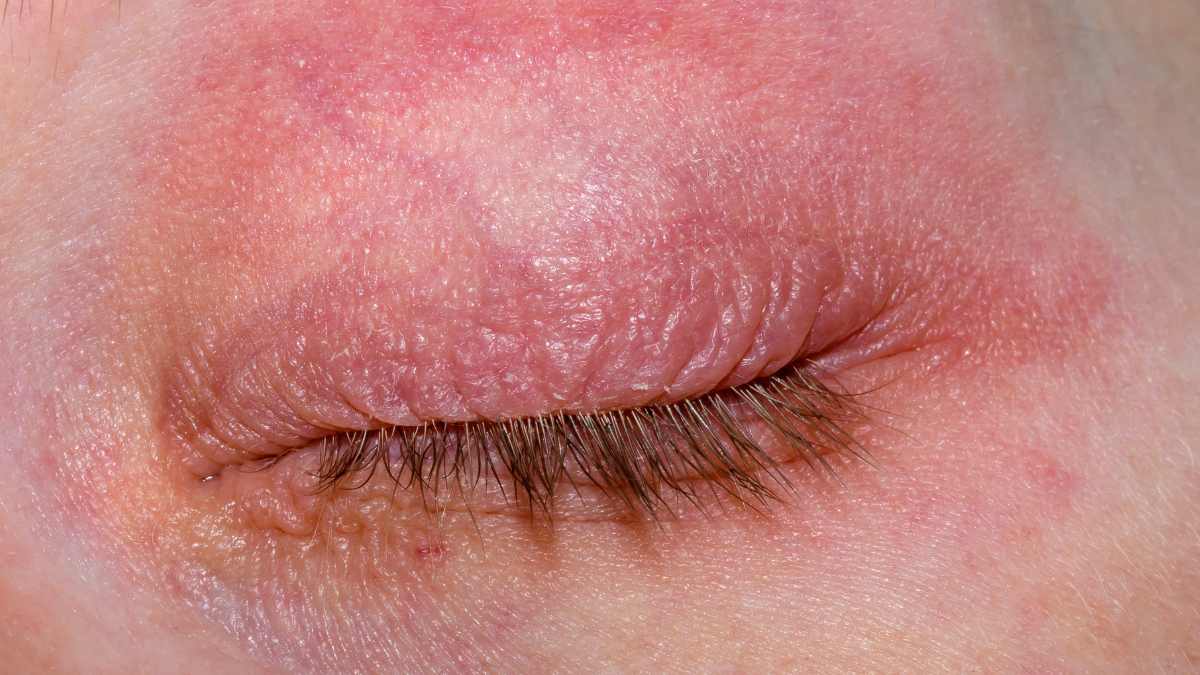
Skin rashes can manifest in numerous forms, including redness, swelling, itching, and blistering. Common types include eczema, psoriasis, contact dermatitis, and hives. Each type has distinct characteristics and requires tailored treatment approaches. For instance, eczema often presents as dry, itchy patches, while psoriasis may appear as thick, scaly plaques. Understanding the specific type of rash is crucial for effective management.
The causes of skin rashes are equally diverse. Allergens such as pollen, pet dander, and certain foods can trigger allergic reactions, leading to rashes. Irritants, including harsh soaps, detergents, and chemicals, can cause contact dermatitis. Infections, whether viral, bacterial, or fungal, can also result in rashes. Identifying the underlying cause is essential in determining the most appropriate treatment.
Environmental factors, such as temperature and humidity, can exacerbate skin conditions. For example, heat and sweat can worsen eczema, while cold weather may dry out the skin, leading to irritation. Additionally, stress and hormonal changes can play a significant role in the onset of rashes, particularly in conditions like psoriasis and eczema.
Finally, some rashes may indicate underlying health issues, such as autoimmune disorders or infections. Therefore, it is vital to monitor the rash’s characteristics and any accompanying symptoms to assess whether medical intervention is necessary.
Key Ingredients in Creams for Treating Skin Rashes
When selecting a cream for rashes, it is important to consider the active ingredients that can provide relief and promote healing. Hydrocortisone is a commonly used topical corticosteroid that helps reduce inflammation and itching. It is effective for conditions like eczema and contact dermatitis, but should be used sparingly to avoid skin thinning with prolonged use.
Antihistamines, such as diphenhydramine, can also be found in some topical creams. They work by blocking histamine receptors, alleviating itching and redness associated with allergic reactions. These creams are particularly beneficial for rashes caused by insect bites or allergic responses.
Another key ingredient is zinc oxide, which is often used in diaper rash creams. It acts as a barrier to protect the skin and has mild anti-inflammatory properties. Zinc oxide is suitable for various rashes, including those caused by moisture and friction.
Finally, moisturizers containing ingredients like glycerin, aloe vera, or ceramides are essential for maintaining skin hydration. These ingredients help restore the skin’s natural barrier, preventing further irritation and promoting healing, especially in conditions like eczema.
Comparing Over-the-Counter Creams for Rash Relief
Over-the-counter (OTC) creams offer a convenient option for treating mild to moderate skin rashes. Products containing hydrocortisone are widely available and can provide quick relief from itching and inflammation. However, users should be cautious about the concentration of hydrocortisone, as higher percentages may require a prescription.
Another popular category includes creams with antihistamines. These are particularly effective for rashes caused by allergic reactions. However, they may not be suitable for all types of rashes, and users should read labels carefully to ensure proper use.
Zinc oxide creams are also prevalent in the OTC market. They are particularly useful for treating rashes associated with moisture, such as diaper rash or chafing. These creams not only soothe irritation but also create a protective barrier against further skin damage.
While OTC creams can be effective, it is important to note that they may not address the underlying cause of the rash. If symptoms persist or worsen, it may be necessary to consult a healthcare professional for a more tailored treatment approach.
Prescription Creams: When to Seek Medical Advice
In cases where over-the-counter options fail to provide relief, prescription creams may be necessary. Healthcare providers can prescribe stronger corticosteroids for severe inflammation or persistent rashes. These medications are more potent than OTC options and can effectively manage conditions like severe eczema or psoriasis.
Additionally, prescription creams containing calcineurin inhibitors, such as tacrolimus or pimecrolimus, may be recommended for sensitive areas like the face or groin. These medications help reduce inflammation without the side effects associated with long-term corticosteroid use.
For rashes caused by infections, healthcare providers may prescribe antifungal or antibacterial creams. These are essential for treating conditions like fungal infections or bacterial skin infections, which require targeted treatment to resolve effectively.
It is crucial to seek medical advice if a rash is accompanied by severe symptoms, such as fever, swelling, or pus. These may indicate a more serious underlying condition that requires immediate attention.
Application Techniques for Optimal Rash Treatment
Proper application techniques can significantly enhance the effectiveness of creams for treating skin rashes. First, it is vital to clean the affected area gently with mild soap and lukewarm water. Pat the skin dry with a soft towel, avoiding any harsh rubbing that could exacerbate irritation.
When applying the cream, a thin layer should be spread evenly over the affected area. Using the fingertips, gently massage the cream into the skin until fully absorbed. This technique not only ensures even distribution but also promotes better penetration of the active ingredients.
For creams containing corticosteroids, it is essential to follow the recommended dosage and frequency of application. Overuse can lead to adverse effects, including skin thinning and increased susceptibility to infections. Always adhere to the guidance provided by a healthcare professional or the product label.
Lastly, it is advisable to avoid occlusive dressings unless specifically recommended. While these can enhance absorption, they may also trap moisture and heat, potentially worsening the rash. Allowing the skin to breathe is crucial for optimal healing.
Preventive Measures to Avoid Future Skin Rashes
Preventing skin rashes involves a combination of lifestyle changes and skincare practices. First and foremost, identifying and avoiding known allergens is critical. Keeping a diary of potential triggers can help individuals pinpoint specific substances that may cause reactions.
Maintaining proper skin hygiene is also essential. Regularly moisturizing the skin with fragrance-free products can help maintain the skin’s barrier function, reducing the likelihood of irritation. It is particularly important for individuals with conditions like eczema to establish a consistent moisturizing routine.
Wearing breathable, loose-fitting clothing can minimize friction and irritation, especially in hot and humid conditions. Natural fabrics like cotton are preferable, as they allow the skin to breathe and reduce the risk of rashes caused by sweating.
Lastly, managing stress through relaxation techniques, such as yoga or meditation, can help prevent flare-ups of stress-related skin conditions. A holistic approach that combines skincare, lifestyle adjustments, and stress management can significantly reduce the incidence of skin rashes.
Conclusions:
Choosing the right cream for treating skin rashes requires an understanding of the various types of rashes, their causes, and the active ingredients in topical treatments. While over-the-counter options can provide effective relief for mild cases, persistent or severe rashes may necessitate prescription treatments. Proper application techniques and preventive measures are equally important in managing and reducing the frequency of rashes. By taking a proactive approach to skincare, individuals can significantly enhance their skin health and overall well-being.
Read more
- American Academy of Dermatology – Skin Rashes – A comprehensive resource on various skin rashes, their causes, and treatment options.
- Mayo Clinic – Eczema – Detailed information about eczema, including symptoms, causes, and treatment strategies.
- National Eczema Association – Treatment – An overview of treatment options for eczema, including topical therapies and lifestyle recommendations.
- WebMD – Skin Rash – A user-friendly guide to understanding skin rashes, their types, and potential treatments.
- Cleveland Clinic – Psoriasis – Information on psoriasis, including causes, symptoms, and treatment options available.