

Se hai un abbonamento attivo ACCEDI QUI
Introduction:
Itching is a common symptom that can arise from various causes, including allergic reactions, skin conditions, and environmental factors. When it comes to alleviating this discomfort, two popular options are Benadryl and hydrocortisone. Understanding the mechanisms of these treatments, their efficacy, and potential side effects is crucial for effective itch management. This article aims to provide a comprehensive comparison of Benadryl and hydrocortisone to determine which may be more effective for itching relief.
Understanding Itching: Causes and Mechanisms Involved
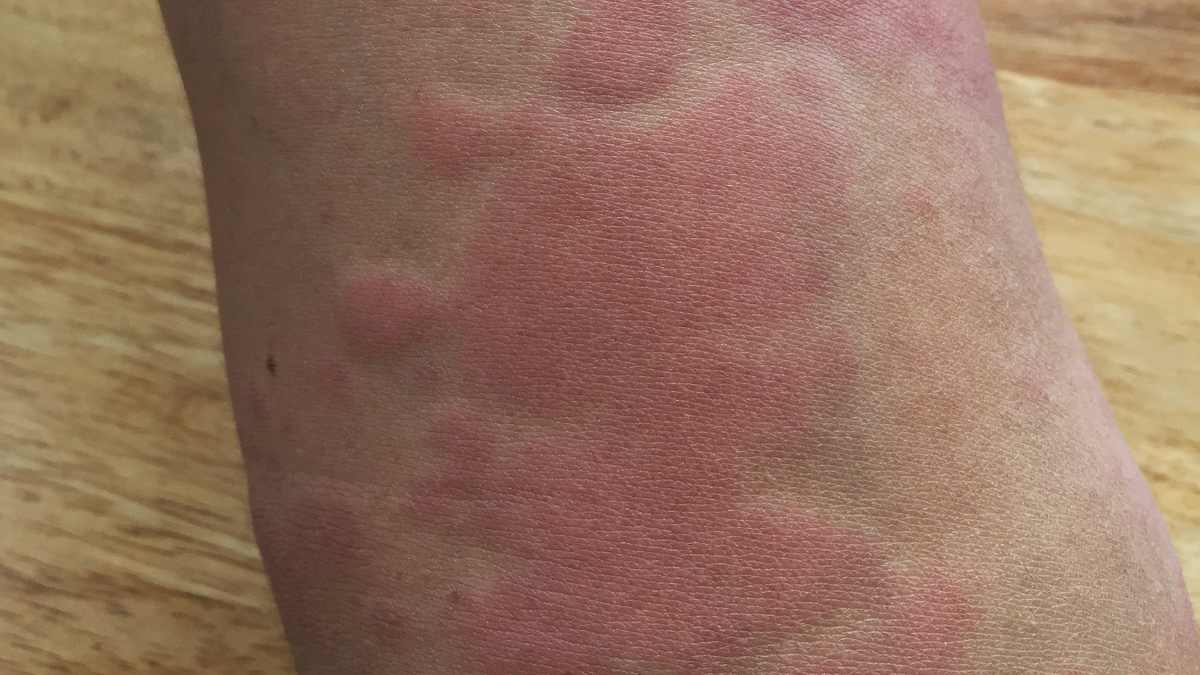
Itching, or pruritus, is a complex sensation that can be triggered by a multitude of factors. Allergic reactions, such as those caused by insect bites, pollen, or certain foods, often lead to the release of histamines in the body, which can cause intense itching. Additionally, skin conditions like eczema and psoriasis can result in chronic itching due to inflammation and irritation of the skin. Environmental factors, such as dry weather or exposure to irritants, can also exacerbate this sensation.
The mechanisms involved in itching are primarily related to the activation of specific nerve fibers in the skin, known as C-fibers. These fibers transmit itch signals to the brain, where they are processed and perceived as discomfort. Histamines, released during allergic responses, bind to receptors in the skin and amplify the itch sensation. Other mediators, such as cytokines and prostaglandins, can also play a role in the inflammatory response, further contributing to the sensation of itching.
Understanding the underlying causes of itching is essential for selecting an appropriate treatment. For instance, if the itching is due to an allergic reaction, an antihistamine like Benadryl may be more effective. Conversely, if the itching is a result of inflammation, a topical corticosteroid like hydrocortisone may provide better relief. Identifying the root cause can significantly influence the choice of treatment.
In summary, itching can stem from various sources, and its mechanisms involve a complex interplay of neurotransmitters and inflammatory mediators. Recognizing these factors is crucial for determining the most effective treatment options available.
Overview of Benadryl: Antihistamine Properties Explained
Benadryl, generically known as diphenhydramine, is an over-the-counter antihistamine commonly used to alleviate allergic symptoms, including itching. Its primary mechanism of action involves blocking the H1 histamine receptors in the body, thereby reducing the effects of histamines released during allergic reactions. By inhibiting these receptors, Benadryl effectively decreases itching, swelling, and redness associated with allergies.
In addition to its antihistamine properties, Benadryl also has sedative effects, which can be beneficial for individuals who experience itching that disrupts sleep. This sedative effect is due to its ability to cross the blood-brain barrier and inhibit central nervous system activity. While this can provide relief from itching, it may also lead to drowsiness, making it important for users to be cautious when engaging in activities that require alertness.
Benadryl is available in various forms, including tablets, liquid, and topical formulations. The topical form can be applied directly to the affected area, providing localized relief from itching. However, it is essential to follow the recommended dosage and application guidelines to avoid potential side effects and ensure optimal results.
Overall, Benadryl’s effectiveness in managing itching stems from its antihistamine properties, making it a suitable option for allergic reactions and conditions characterized by histamine release.
Hydrocortisone: Mechanism of Action in Itch Relief
Hydrocortisone is a topical corticosteroid that is widely used to relieve itching and inflammation associated with various skin conditions. Its primary mechanism of action involves the suppression of the immune response and inflammation in the skin. By reducing the production of inflammatory mediators, hydrocortisone helps alleviate the redness, swelling, and itching that often accompany skin irritations.
When applied to the skin, hydrocortisone penetrates the epidermis and binds to glucocorticoid receptors, leading to a cascade of effects that ultimately decrease inflammation. This action not only helps to relieve itching but also promotes healing in damaged skin. Hydrocortisone is particularly effective for conditions such as eczema, dermatitis, and psoriasis, where inflammation is a significant contributor to itching.
Unlike antihistamines like Benadryl, hydrocortisone does not directly target histamine receptors. Instead, it addresses the underlying inflammation that may be causing the itch. This makes it a valuable option for individuals dealing with chronic skin conditions where inflammation plays a central role.
In summary, hydrocortisone provides relief from itching through its anti-inflammatory properties, making it an effective treatment for various dermatological conditions characterized by inflammation and irritation.
Comparing Efficacy: Benadryl vs. Hydrocortisone
When comparing the efficacy of Benadryl and hydrocortisone for itching relief, it is essential to consider the underlying cause of the itching. Benadryl is particularly effective for acute allergic reactions, as it quickly alleviates symptoms by blocking histamine receptors. For individuals experiencing itching due to insect bites, pollen, or food allergies, Benadryl may provide rapid relief.
On the other hand, hydrocortisone is more suitable for chronic skin conditions characterized by inflammation, such as eczema or dermatitis. It addresses the root cause of itching by reducing inflammation and promoting skin healing. For individuals with persistent itching due to skin disorders, hydrocortisone may be the more effective choice.
The choice between Benadryl and hydrocortisone also depends on the desired duration of relief. Benadryl typically provides quick, short-term relief, while hydrocortisone may offer longer-lasting effects, particularly for ongoing skin conditions. It is also worth noting that the topical application of hydrocortisone allows for targeted treatment, which can be advantageous for localized itching.
Ultimately, the decision on which treatment to use should be based on the specific circumstances surrounding the itching. Consulting a healthcare professional can provide guidance on the most appropriate option based on individual needs and the underlying cause of the itching.
Side Effects and Considerations for Both Treatments
Both Benadryl and hydrocortisone come with potential side effects that users should be aware of. Benadryl, while effective for itching relief, can cause drowsiness, dizziness, and dry mouth. These side effects are particularly important for individuals who need to remain alert, such as those driving or operating machinery. Additionally, prolonged use of Benadryl can lead to tolerance, requiring higher doses for the same effect.
Hydrocortisone, while generally safe for short-term use, can cause skin thinning, irritation, and acne when used excessively or for extended periods. It is essential to follow the recommended guidelines for application to minimize these risks. Moreover, individuals with certain skin conditions, such as rosacea or perioral dermatitis, should avoid using hydrocortisone, as it may exacerbate these issues.
Another consideration is the potential for drug interactions. Benadryl can interact with other medications, including certain antidepressants and sedatives, leading to increased sedation or other adverse effects. Therefore, it is crucial for individuals taking multiple medications to consult with a healthcare provider before using Benadryl.
In summary, both treatments have their own set of side effects and considerations. Users should weigh the benefits against the potential risks and consult a healthcare professional when necessary to ensure safe and effective use.
Recommendations for Optimal Use in Itch Management
To optimize itch management, it is essential to tailor treatment to the specific cause and characteristics of the itching. For acute allergic reactions, Benadryl can be an effective first-line treatment due to its rapid action in blocking histamine receptors. It is advisable to use it as directed and to avoid prolonged use to minimize the risk of side effects.
For chronic skin conditions characterized by inflammation, hydrocortisone is often the preferred choice. It should be applied sparingly to the affected areas, following the recommendations provided by a healthcare professional. Users should monitor their skin for any signs of irritation or adverse reactions, adjusting usage as necessary.
In cases where itching persists despite treatment, it is crucial to seek medical advice. A healthcare provider may recommend alternative therapies, such as prescription-strength corticosteroids or other medications, depending on the severity and underlying cause of the itching. Additionally, incorporating moisturizing agents can help soothe dry skin and reduce itching.
In conclusion, effective itch management requires a comprehensive understanding of the underlying causes and the appropriate use of treatments. By considering individual circumstances and consulting with healthcare professionals, individuals can achieve optimal relief from itching.
Conclusions:
In the battle against itching, both Benadryl and hydrocortisone offer unique advantages based on the underlying cause of the symptom. Benadryl is effective for acute allergic reactions, while hydrocortisone excels in managing chronic inflammatory skin conditions. Understanding the mechanisms, efficacy, and potential side effects of each treatment is essential for making informed decisions about itch management. Ultimately, consulting with a healthcare provider can help individuals select the most appropriate treatment for their specific needs.
Read more
- Mayo Clinic – Itching (Pruritus) – A comprehensive overview of itching, its causes, and treatments.
- WebMD – Benadryl (Diphenhydramine) – Detailed information about Benadryl, including its uses, side effects, and precautions.
- American Academy of Dermatology – Hydrocortisone Cream – Insights into hydrocortisone cream, its applications, and safety guidelines.
- National Eczema Association – Itching and Eczema – A resource discussing the relationship between eczema and itching, along with treatment options.
- Drugs.com – Diphenhydramine – A detailed resource on diphenhydramine, including its pharmacology, side effects, and interactions.