

Se hai un abbonamento attivo ACCEDI QUI
Introduction:
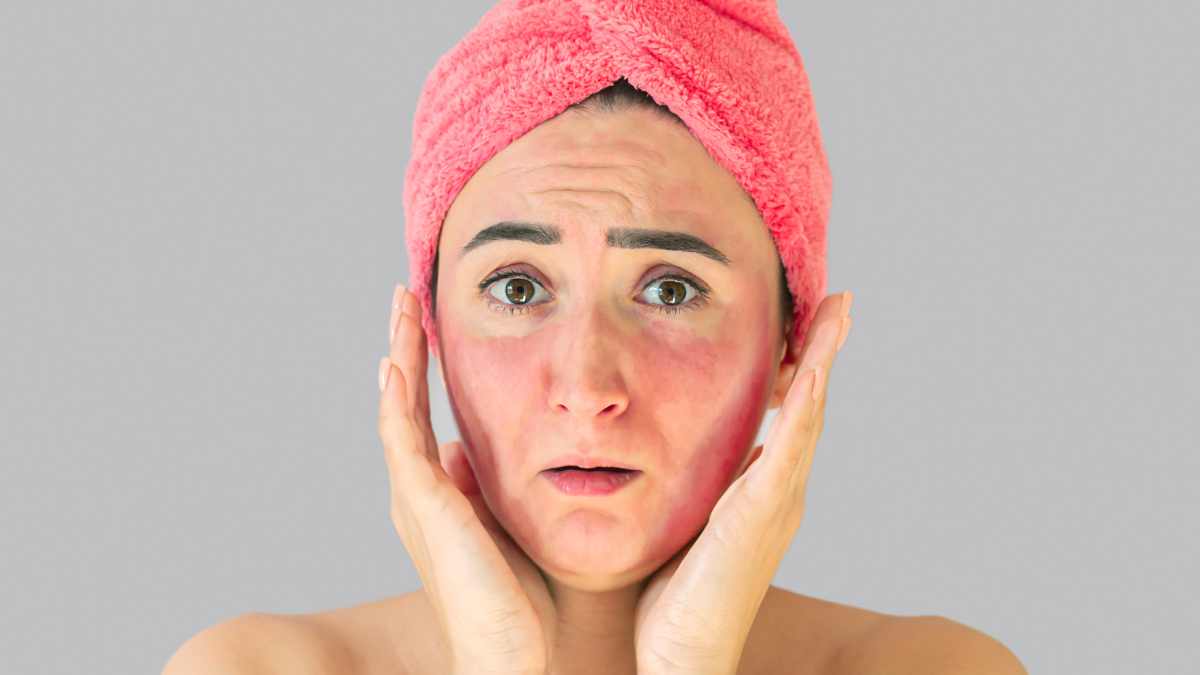
Rashes are common skin conditions that can arise from various causes, ranging from allergic reactions to infections. Many individuals wonder whether these rashes will resolve on their own or if medical intervention is necessary. Understanding the nature of rashes, their underlying mechanisms, and when to seek help can empower individuals to make informed decisions regarding their skin health. This article explores the types of rashes, the body’s healing processes, factors influencing rash duration, and effective management strategies.
Understanding Rashes: Types and Common Causes Explained
Rashes can manifest in numerous forms, including redness, swelling, bumps, and blisters. Contact dermatitis, for instance, occurs when the skin reacts to irritants or allergens, leading to localized inflammation. Eczema, on the other hand, is a chronic condition characterized by dry, itchy patches that can flare up due to various triggers, including stress and environmental factors. Psoriasis is another type, marked by thick, scaly patches resulting from an accelerated skin cell turnover.
Infectious rashes, such as those caused by viruses (e.g., chickenpox or measles), can also lead to widespread skin changes. Fungal infections, like ringworm, present with red, circular patches and can be contagious. Bacterial infections, such as impetigo, typically result in crusty sores and require medical treatment. Understanding these different types helps in identifying the potential cause and determining the appropriate course of action.
Environmental factors, such as temperature and humidity, can significantly influence the development of rashes. For instance, excessive sweating in hot weather can lead to heat rash, while cold, dry air can exacerbate conditions like eczema. Additionally, personal habits, such as hygiene practices and skincare routines, play a crucial role in skin health.
Overall, recognizing the type of rash and its possible causes is essential for effective management. While many rashes are benign and self-limiting, understanding the underlying factors can help individuals determine whether they should wait for resolution or seek medical advice.
The Body’s Healing Mechanisms and Rash Resolution
The human body possesses remarkable healing mechanisms that often enable it to combat minor skin irritations effectively. Inflammation is a natural response to injury or infection, where the immune system activates to repair damaged tissue and eliminate pathogens. This process can lead to the resolution of many rashes without the need for external treatment.
Skin cells also have a natural turnover rate, allowing for the replacement of damaged or diseased cells. This regenerative capability can help clear rashes over time. Keratinocytes, the predominant cells in the epidermis, play a critical role in this process by migrating to the surface and forming a protective barrier. This barrier helps prevent further irritants from penetrating the skin, promoting healing.
However, the effectiveness of these healing mechanisms can vary based on several factors, including the individual’s overall health, age, and the presence of underlying conditions. For example, individuals with compromised immune systems may experience prolonged rashes due to their body’s reduced ability to respond to inflammation and infection.
In many cases, rashes will indeed resolve on their own, particularly if they are caused by transient factors such as minor irritants or allergic reactions. However, understanding the body’s healing processes can provide reassurance and context for those experiencing skin issues.
Factors Influencing Rash Duration and Self-Resolution
Several factors can influence how long a rash persists and whether it resolves without intervention. Severity and type of rash are primary determinants; for instance, a mild allergic reaction may clear up within days, while more severe conditions like psoriasis may require ongoing management.
Underlying health conditions also play a significant role. Individuals with chronic illnesses, such as diabetes or autoimmune disorders, may find that their rashes last longer due to compromised skin integrity or immune function. Age is another factor; younger individuals generally heal faster than older adults, whose skin may have reduced regenerative capacity.
Environmental conditions can further impact rash duration. For example, exposure to irritants or allergens can prolong the healing process. Additionally, lifestyle factors such as stress, diet, and hydration can influence skin health and the body’s ability to recover from rashes.
Ultimately, while many rashes can resolve independently, understanding these influencing factors can help individuals manage their expectations and recognize when a rash may require medical attention.
When to Seek Medical Attention for Persistent Rashes
While many rashes are benign and self-limiting, certain signs indicate that medical attention is necessary. Persistent rashes that do not improve with home care or continue to worsen over time should be evaluated by a healthcare professional. This is particularly important for rashes accompanied by other concerning symptoms, such as fever, swelling, or pain.
Rashes that exhibit signs of infection, such as increased redness, warmth, or discharge, warrant immediate medical evaluation. Infections can escalate quickly and may require antibiotics or other interventions to prevent complications. Additionally, rashes that cause significant discomfort or disrupt daily activities may benefit from professional assessment and treatment.
Individuals with a history of allergic reactions should also seek medical advice if they experience a rash that could indicate an allergic response. Anaphylaxis, a severe allergic reaction, can present with skin symptoms and requires urgent medical attention.
In summary, recognizing the signs that warrant medical intervention is crucial for effective management and prevention of complications associated with persistent rashes.
Home Remedies and Treatments for Managing Rashes
Many individuals seek home remedies to manage rashes, particularly when they are mild and self-limiting. Moisturizers can be beneficial for conditions like eczema, helping to soothe the skin and restore its barrier function. Natural oils, such as coconut oil or aloe vera, are often used for their anti-inflammatory properties and can provide relief from itching.
Over-the-counter treatments, such as hydrocortisone cream, can reduce inflammation and alleviate discomfort associated with rashes. Antihistamines may also be helpful for allergic reactions, providing relief from itching and irritation. However, it is essential to follow package instructions and consult a healthcare provider if symptoms persist.
In addition to topical treatments, lifestyle modifications can support skin health. Avoiding known irritants, wearing breathable fabrics, and practicing good hygiene can help prevent rashes from worsening. Staying hydrated and maintaining a balanced diet rich in vitamins and minerals can also promote skin healing.
While home remedies can be effective for managing mild rashes, it is crucial to monitor symptoms and seek medical advice if the rash does not improve or worsens over time.
Conclusions: Prognosis and Future Considerations for Rashes
Most rashes are transient and will resolve on their own, particularly those caused by minor irritants or allergic reactions. Understanding the types of rashes, the body’s healing mechanisms, and the factors influencing rash duration can empower individuals to manage their skin health effectively.
However, it is essential to recognize when a rash requires medical attention. Persistent or worsening rashes, especially those accompanied by signs of infection or systemic symptoms, should be evaluated by a healthcare professional.
As research continues to advance our understanding of skin conditions, future considerations may include personalized treatment approaches and improved management strategies for chronic rashes. Staying informed about skin health and seeking appropriate care when necessary can lead to better outcomes and enhanced quality of life.
Read more
- American Academy of Dermatology – Rashes – A comprehensive resource on various types of rashes and their management.
- Mayo Clinic – Skin Rash – Detailed information on skin rashes, including causes and treatment options.
- WebMD – Skin Rashes – An overview of common skin rashes and practical advice for treatment.
- Cleveland Clinic – When to See a Doctor for a Rash – Guidelines on when to seek medical attention for skin rashes.
- National Eczema Association – Eczema Treatment – Information on managing eczema and related skin conditions.