

Introduction:
Skin rashes are common dermatological issues that can arise from a variety of causes, including allergies, infections, and irritants. When faced with a rash, individuals often seek immediate relief, turning to various home remedies and over-the-counter treatments. One such remedy that frequently comes up in discussions is rubbing alcohol. While it is widely used in many households for its antiseptic properties, the question remains: can rubbing alcohol effectively help alleviate a rash? This article will explore the nature of rashes, the role of rubbing alcohol in skin care, its mechanism of action, potential benefits, associated risks, and alternative treatments.
Understanding Rashes: Causes and Symptoms Explained
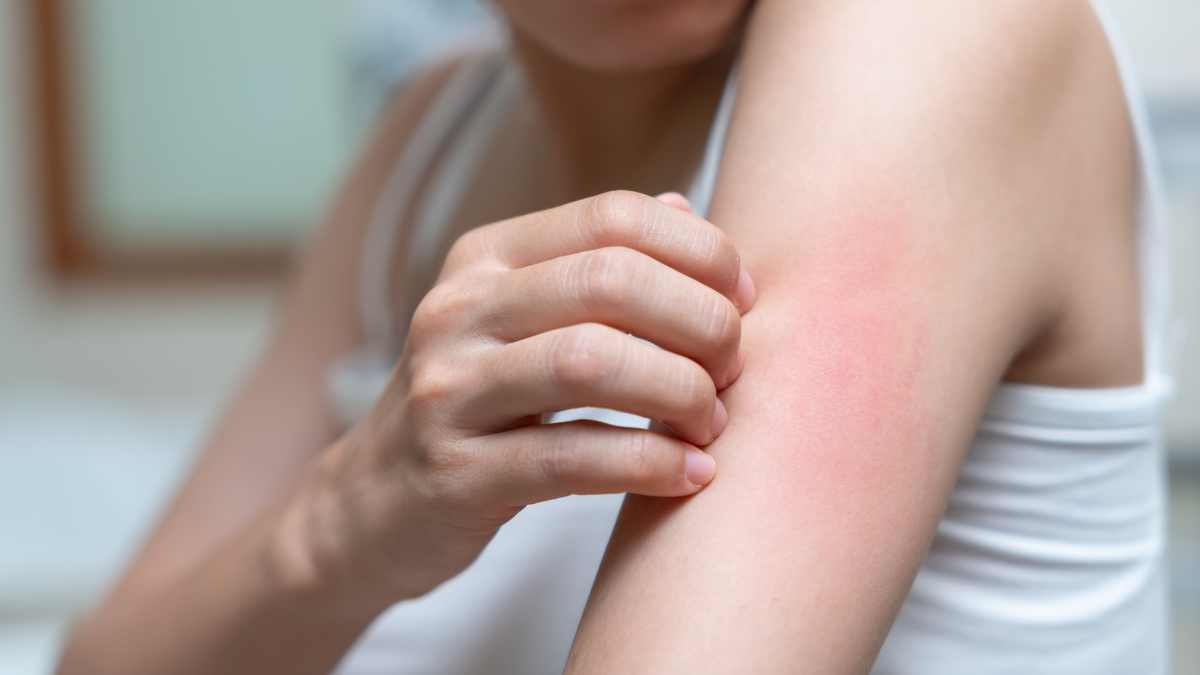
Rashes manifest as changes in the skin’s appearance, texture, or color, often accompanied by symptoms such as itching, redness, and swelling. They can be triggered by a myriad of factors, including allergic reactions to substances like pollen, pet dander, or certain foods. Infections, whether viral, bacterial, or fungal, can also lead to the development of rashes, such as chickenpox or ringworm. Additionally, irritants such as harsh soaps, chemicals, or even prolonged exposure to moisture can cause contact dermatitis, resulting in a rash.
The symptoms of a rash can vary significantly based on its cause. For instance, allergic rashes may present as hives with raised welts, while infections might lead to pustules or blisters. Chronic conditions such as eczema or psoriasis can cause persistent rashes that require ongoing management. Understanding the underlying cause of a rash is crucial, as it informs the appropriate treatment approach.
In many cases, rashes can be diagnosed through visual examination, but more complex cases may necessitate skin tests or biopsies. Recognizing the symptoms early can lead to effective management and prevent complications. It is essential to monitor changes in the rash, such as increased redness, swelling, or discharge, which may indicate a secondary infection requiring medical attention.
The emotional impact of rashes should not be overlooked. Individuals suffering from visible rashes may experience self-esteem issues or anxiety, particularly if the rash is in a prominent area. Therefore, addressing both the physical and emotional aspects of skin rashes is vital for comprehensive care.
The Role of Rubbing Alcohol in Skin Care Practices
Rubbing alcohol, primarily isopropyl alcohol, is commonly used as a disinfectant and antiseptic. Its ability to kill bacteria and viruses makes it a staple in many households and medical settings. In skin care, rubbing alcohol is often employed to clean the skin before injections or minor surgical procedures, as it effectively removes oils and dirt. However, its role in treating rashes is less clear-cut.
Many people mistakenly believe that applying rubbing alcohol to a rash can help dry it out and reduce inflammation. This belief is rooted in the alcohol’s astringent properties, which can temporarily tighten the skin and reduce oiliness. However, while it may provide a brief sensation of relief, the long-term effects on a rash can be counterproductive. Understanding the specific role of rubbing alcohol in skin care is essential for making informed decisions about its use.
Rubbing alcohol is also utilized in various DIY skin care remedies, often as a component in homemade toners or acne treatments. However, the effectiveness of these applications can vary widely, and the potential for skin irritation should be carefully considered. The popularity of rubbing alcohol in skin care has led to a proliferation of products that incorporate it, yet consumers must remain vigilant about the possible consequences of such ingredients.
In summary, while rubbing alcohol has established roles in skin care, its application for treating rashes requires a nuanced understanding of both its benefits and limitations. It is crucial to differentiate between its use as a disinfectant and its potential effects on inflamed or irritated skin.
Mechanism of Action: How Rubbing Alcohol Affects Skin
When applied to the skin, rubbing alcohol acts as a solvent, rapidly evaporating and creating a cooling effect. This evaporation can provide temporary relief from itching or discomfort associated with rashes. However, this cooling sensation is often short-lived, and the underlying issues may persist. The primary mechanism of action involves its antimicrobial properties, which can help reduce the bacterial load on the skin.
However, the rapid evaporation of rubbing alcohol can lead to dehydration of the skin. This dehydration can exacerbate existing irritation, particularly in sensitive or inflamed areas. The skin barrier, which protects against environmental aggressors, can become compromised when subjected to frequent alcohol applications. This disruption can lead to increased permeability and a higher risk of secondary infections.
Furthermore, rubbing alcohol may also trigger an inflammatory response in some individuals, particularly those with sensitive skin or pre-existing conditions such as eczema. The alcohol can strip the skin of its natural oils, leading to increased dryness and irritation. This paradoxical effect highlights the importance of understanding individual skin types and conditions before using rubbing alcohol as a treatment.
In conclusion, while rubbing alcohol does have some beneficial properties, its mechanism of action can be double-edged. Its ability to disinfect and cool the skin must be weighed against the potential for dehydration and irritation, particularly in the context of treating rashes.
Potential Benefits of Rubbing Alcohol for Rashes
One of the primary benefits of using rubbing alcohol on rashes is its antiseptic properties. For rashes that are suspected to be infected or at risk of infection, applying rubbing alcohol can help reduce the bacterial load on the skin. This can be particularly important for rashes that are scratched or oozing, as they are more susceptible to secondary infections.
Additionally, rubbing alcohol may provide a temporary cooling effect that can alleviate itching and discomfort. For some individuals, the sensation of coolness can be soothing, offering immediate relief from the irritating symptoms of a rash. This can be especially beneficial in cases of acute allergic reactions or insect bites, where immediate symptom relief is desired.
Moreover, rubbing alcohol can serve as a cleanser for the skin, helping to remove dirt, oils, and other irritants that may exacerbate a rash. By keeping the affected area clean, it may help prevent further irritation and promote healing. This cleansing action can be useful in managing rashes caused by contact dermatitis or other irritants.
However, it is essential to note that while these benefits exist, they are often temporary and may not address the underlying cause of the rash. Therefore, while rubbing alcohol can be a part of a broader skin care regimen, it should not be relied upon as a sole treatment for rashes.
Risks and Side Effects of Using Rubbing Alcohol
Despite its potential benefits, the use of rubbing alcohol on rashes carries several risks and side effects. One of the most significant concerns is its drying effect on the skin. Frequent application can strip the skin of its natural oils, leading to increased dryness, irritation, and even peeling. This can be particularly problematic for individuals with sensitive skin or pre-existing skin conditions.
Another risk associated with rubbing alcohol is its potential to cause burning or stinging sensations upon application. This discomfort can be exacerbated in areas of broken skin or inflamed tissue, making it an unsuitable choice for many types of rashes. Individuals with conditions such as eczema or psoriasis may find that rubbing alcohol exacerbates their symptoms rather than alleviating them.
Additionally, overuse of rubbing alcohol can lead to a compromised skin barrier. The skin barrier is essential for protecting against environmental irritants and pathogens. When this barrier is disrupted, it can lead to increased susceptibility to infections and prolonged healing times. This is particularly concerning for individuals with chronic skin conditions or those prone to infections.
Lastly, some individuals may experience allergic reactions to rubbing alcohol, resulting in further irritation or the development of contact dermatitis. Symptoms of an allergic reaction can include redness, swelling, and itching, which can complicate the management of the original rash. Therefore, it is crucial to approach the use of rubbing alcohol with caution and to consider alternative treatments when necessary.
Alternative Treatments for Managing Skin Rashes Effectively
For those seeking alternatives to rubbing alcohol for managing skin rashes, several options are available. Topical corticosteroids are often recommended for inflammatory rashes, as they can effectively reduce redness and swelling. These medications work by suppressing the immune response in the skin, providing relief from symptoms associated with conditions like eczema and psoriasis.
Another effective treatment option is the use of moisturizers. Keeping the affected area well-hydrated can help restore the skin barrier and alleviate dryness and irritation. Look for products that contain ingredients such as ceramides, hyaluronic acid, or glycerin, which can help retain moisture and promote healing.
For allergic reactions, antihistamines can be beneficial in reducing itching and discomfort. These medications work by blocking histamine, a chemical released during allergic responses, thereby alleviating symptoms such as hives or swelling. In cases of severe allergic reactions, seeking medical attention and using prescribed medications may be necessary.
Lastly, for rashes caused by infections, antifungal or antibacterial treatments may be required. These treatments target the specific pathogens responsible for the rash and can help clear up the condition more effectively than rubbing alcohol. Consulting with a healthcare professional is essential for determining the most appropriate treatment based on the type and cause of the rash.
Conclusions:
In summary, while rubbing alcohol has some antiseptic properties that may provide temporary relief for certain types of rashes, its potential for skin irritation, dehydration, and compromised skin barriers cannot be overlooked. It is essential to consider the underlying cause of the rash and explore alternative treatments that may offer more effective and safer relief. Consulting a healthcare professional for a proper diagnosis and treatment plan is always recommended to ensure optimal skin health.
Read more
- American Academy of Dermatology – Rashes – Comprehensive information on various types of rashes, their causes, and treatments.
- Mayo Clinic – Skin Rashes – Detailed overview of skin rashes, including symptoms and management strategies.
- Cleveland Clinic – Rubbing Alcohol: Uses and Risks – Insights into the uses and potential risks of rubbing alcohol in skin care.
- National Eczema Association – Eczema Treatment – Guidelines for managing eczema, including safe treatment options.
- WebMD – Skin Care Basics – A resource for understanding skin care practices and the importance of maintaining skin health.