

Introduction: The debate over whether vegetarians are healthier than meat-eaters has been ongoing for decades. With increasing interest in plant-based diets, it’s crucial to examine the scientific evidence behind the health impacts of vegetarianism compared to omnivorous diets. This article delves into various health aspects, including nutritional profiles, cardiovascular health, cancer risk, weight management, digestive health, and longevity, to provide a comprehensive understanding of the potential health benefits and drawbacks of vegetarianism.
Comparative Nutritional Profiles of Vegetarians and Meat-Eaters
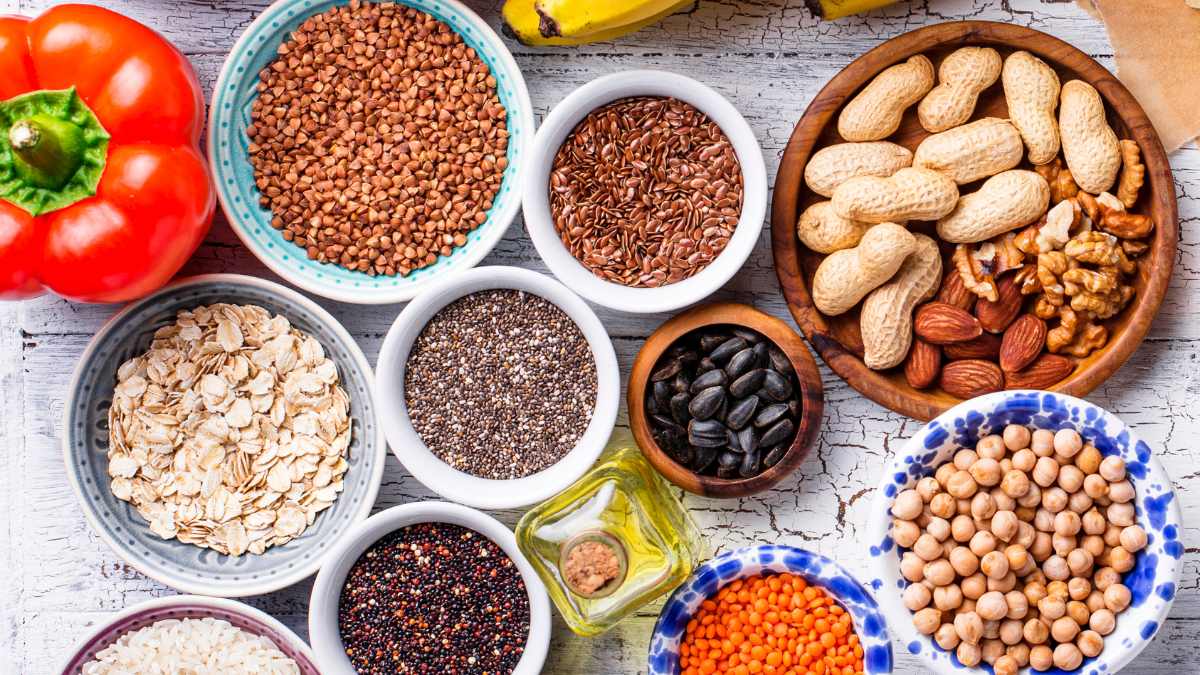
Vegetarians typically consume higher amounts of fruits, vegetables, legumes, nuts, and whole grains, which contribute to a rich intake of vitamins, minerals, and antioxidants. This diet is often high in fiber, vitamin C, vitamin E, and magnesium, which are essential for various bodily functions. Conversely, vegetarians may be at risk for deficiencies in vitamin B12, iron, zinc, and omega-3 fatty acids, which are predominantly found in animal products.
Meat-eaters generally have higher intakes of protein, vitamin B12, iron, and zinc, which are crucial for muscle maintenance, red blood cell production, and immune function. However, their diets can also be higher in saturated fats and cholesterol, which are linked to increased risks of cardiovascular diseases. Balancing these nutrients is essential for maintaining optimal health.
Studies indicate that vegetarians often have lower levels of low-density lipoprotein (LDL) cholesterol, better blood pressure control, and reduced risks of developing type 2 diabetes. These benefits are largely attributed to the higher intake of plant-based foods and lower consumption of saturated fats. However, achieving a balanced diet is key, as both vegetarian and meat-inclusive diets can be healthy if well-planned.
In summary, while vegetarians may benefit from higher intakes of certain vitamins and minerals, they must be mindful of potential nutrient deficiencies. Meat-eaters, on the other hand, need to manage their intake of saturated fats and cholesterol to mitigate health risks. A well-rounded diet, regardless of its foundation, is essential for overall health.
Cardiovascular Health: Vegetarians vs. Meat-Eaters
Cardiovascular diseases (CVD) remain a leading cause of mortality worldwide, prompting interest in dietary patterns that may reduce risk. Research consistently shows that vegetarians have a lower incidence of CVD compared to meat-eaters. This is largely due to their lower intake of saturated fats and cholesterol, and higher consumption of antioxidants and fiber.
Vegetarians tend to have lower blood pressure and healthier lipid profiles, which are critical factors in cardiovascular health. The high fiber content in plant-based diets helps reduce LDL cholesterol levels, while antioxidants from fruits and vegetables combat oxidative stress, a known contributor to heart disease. Additionally, the absence of red and processed meats, which are linked to increased CVD risk, further benefits vegetarians.
Conversely, meat-eaters, particularly those consuming high amounts of red and processed meats, face higher risks of hypertension, hyperlipidemia, and atherosclerosis. These conditions are exacerbated by the intake of saturated fats and cholesterol, which contribute to plaque buildup in arteries. However, incorporating lean meats, fish, and plant-based foods can help mitigate these risks.
In conclusion, while vegetarians generally enjoy better cardiovascular health, meat-eaters can also achieve similar benefits by adopting a balanced diet that limits saturated fats and includes plenty of fruits, vegetables, and whole grains. Both dietary patterns can support heart health when properly managed.
Cancer Risk: Analyzing Dietary Influences
Diet plays a significant role in cancer prevention, with numerous studies suggesting that vegetarian diets may offer protective benefits. Vegetarians typically consume higher amounts of phytochemicals, fiber, and antioxidants, which can reduce inflammation and oxidative stress, both of which are linked to cancer development.
Epidemiological studies have shown that vegetarians have lower incidences of certain cancers, particularly colorectal cancer. The high fiber content in plant-based diets promotes healthy bowel movements and reduces the time carcinogens spend in the digestive tract. Moreover, the abundance of antioxidants in fruits and vegetables helps neutralize free radicals, potentially lowering cancer risk.
However, it’s important to note that not all vegetarian diets are equally protective. Diets high in refined grains, sugars, and processed plant foods may not offer the same benefits. Similarly, meat-eaters who consume high amounts of red and processed meats face increased risks of colorectal and other cancers. The carcinogenic compounds formed during the cooking of these meats are a significant concern.
In summary, while vegetarian diets can reduce cancer risk due to their high content of protective nutrients, the quality of the diet is crucial. Meat-eaters can also lower their cancer risk by focusing on whole foods and minimizing the intake of processed meats and refined products.
Weight Management and Body Mass Index (BMI) Trends
Weight management is a critical aspect of overall health, and dietary choices play a significant role. Studies consistently show that vegetarians tend to have lower Body Mass Index (BMI) and are less likely to be overweight or obese compared to meat-eaters. This can be attributed to the high fiber content and lower energy density of plant-based diets, which promote satiety and reduce overall calorie intake.
Vegetarians often consume more fruits, vegetables, and whole grains, which are low in calories but high in volume, helping them feel full longer. This dietary pattern can prevent overeating and facilitate weight loss or maintenance. Additionally, the lower intake of high-calorie, high-fat animal products contributes to a healthier weight profile.
Conversely, meat-eaters, particularly those consuming high amounts of red and processed meats, may struggle with weight management due to the higher calorie and fat content of these foods. However, it’s important to note that not all meat-eaters are overweight or obese. Those who follow a balanced diet with lean meats, fish, and plenty of plant-based foods can maintain a healthy weight.
In conclusion, while vegetarians generally have an advantage in weight management due to their dietary patterns, meat-eaters can achieve similar results by focusing on balanced, nutrient-dense foods. Both groups can maintain a healthy weight with mindful eating and regular physical activity.
Digestive Health: Fiber Intake and Gut Microbiota
Digestive health is significantly influenced by diet, particularly fiber intake. Vegetarians typically consume higher amounts of dietary fiber, which is essential for maintaining healthy digestion. Fiber promotes regular bowel movements, prevents constipation, and supports a healthy gut microbiota, which is crucial for overall health.
The high fiber content in vegetarian diets comes from fruits, vegetables, legumes, and whole grains. This not only aids digestion but also provides prebiotics, which feed beneficial gut bacteria. A diverse and balanced gut microbiota is linked to improved immune function, reduced inflammation, and better mental health.
Meat-eaters, on the other hand, often consume less fiber, which can lead to digestive issues such as constipation and irregular bowel movements. However, incorporating more plant-based foods into their diet can help improve fiber intake and support gut health. It’s important for meat-eaters to balance their diet with plenty of fruits, vegetables, and whole grains.
In summary, while vegetarians generally enjoy better digestive health due to higher fiber intake, meat-eaters can also achieve similar benefits by incorporating more plant-based foods into their diet. A balanced intake of fiber is essential for maintaining a healthy digestive system and supporting overall well-being.
Longevity and Mortality Rates in Dietary Groups
Longevity and mortality rates are important indicators of overall health, and diet plays a crucial role in these outcomes. Research suggests that vegetarians may have a lower risk of premature death compared to meat-eaters. This is largely due to the reduced risks of chronic diseases such as cardiovascular disease, diabetes, and certain cancers associated with vegetarian diets.
Vegetarians often have lower rates of hypertension, hyperlipidemia, and obesity, which are significant risk factors for early mortality. The high intake of antioxidants, fiber, and other protective nutrients in plant-based diets contributes to these health benefits. Additionally, the avoidance of red and processed meats, which are linked to increased mortality, further supports longevity.
However, it’s important to note that not all studies agree on the extent of these benefits. Some research indicates that the differences in mortality rates between vegetarians and meat-eaters may be influenced by other lifestyle factors such as physical activity, smoking, and alcohol consumption. Therefore, while diet is a critical factor, it is not the only determinant of longevity.
In conclusion, while vegetarians may have a lower risk of premature death due to their dietary patterns, meat-eaters can also achieve similar longevity by adopting a balanced diet and healthy lifestyle. Both groups can benefit from mindful eating and regular physical activity to support long-term health and longevity.
Conclusion: The question of whether vegetarians are healthier than meat-eaters is complex and multifaceted. While vegetarians often enjoy benefits such as lower risks of cardiovascular disease, certain cancers, and better weight management, meat-eaters can also achieve similar health outcomes with a balanced diet and healthy lifestyle. Ultimately, the key to optimal health lies in a well-rounded diet that includes a variety of nutrient-dense foods, regardless of whether it is plant-based or includes meat.
More informations:
-
Nutritional Profiles and Health Benefits of Vegetarian Diets
Harvard T.H. Chan School of Public Health -
Vegetarian Diets and Cardiovascular Health
American Heart Association -
Diet and Cancer Prevention
World Cancer Research Fund International -
Weight Management and Plant-Based Diets
National Institutes of Health -
Fiber Intake and Digestive Health
Mayo Clinic