
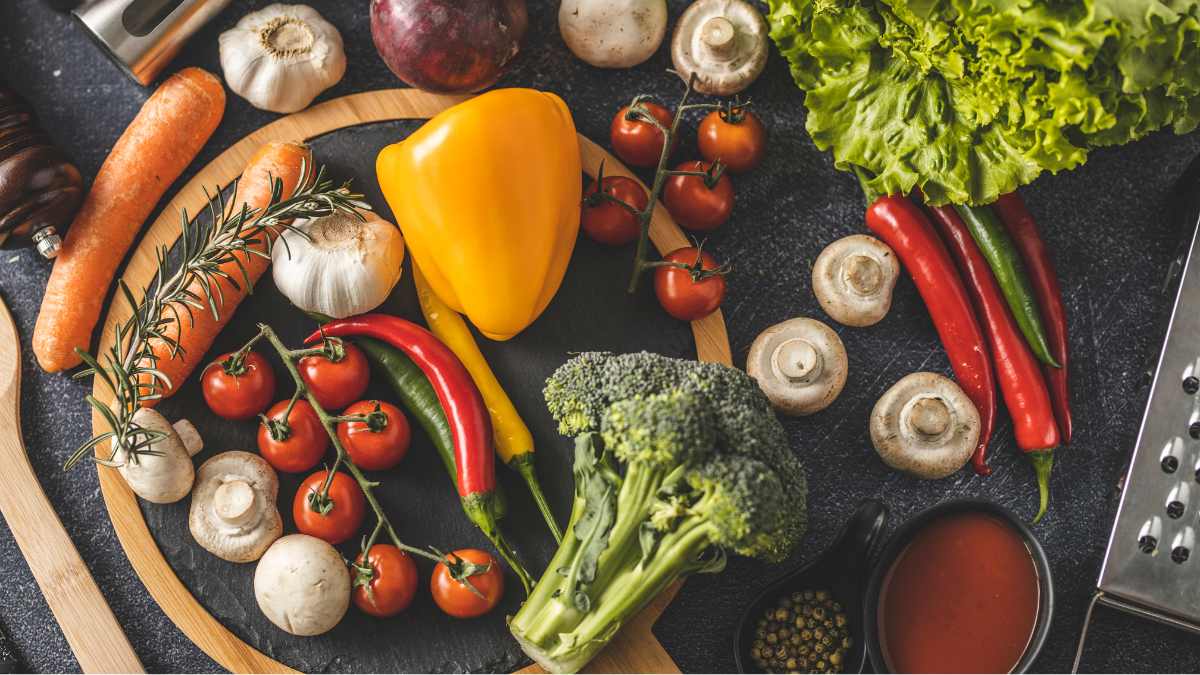

Introduction: The question of whether vegetarians can consume chicken-flavored ramen is more complex than it might initially appear. Vegetarianism encompasses a range of dietary restrictions and preferences, and understanding the nuances of food labeling and ingredient sourcing is crucial for making informed dietary choices. This article delves into the specifics of vegetarian dietary restrictions, the ingredients in chicken-flavored ramen, the origins of flavoring agents, potential cross-contamination risks, and labeling standards to provide a comprehensive answer.
Understanding Vegetarian Dietary Restrictions
Vegetarianism is a dietary choice that excludes meat, poultry, and fish. However, there are different types of vegetarianism, each with its own set of rules. Lacto-ovo vegetarians consume dairy products and eggs but avoid meat, poultry, and fish. Lacto vegetarians consume dairy products but avoid eggs, meat, poultry, and fish. Ovo vegetarians consume eggs but avoid dairy products, meat, poultry, and fish. Vegans avoid all animal products, including dairy, eggs, and honey.
The primary concern for vegetarians is the presence of animal-derived ingredients in their food. This includes not only obvious ingredients like meat and fish but also less obvious ones like gelatin, which is derived from animal collagen, and rennet, which is used in cheese production. Vegetarians must also be mindful of food additives and flavorings that may be derived from animals.
For vegetarians, the presence of animal-derived ingredients in food products can be a significant issue. Many processed foods contain hidden animal-derived ingredients, and it can be challenging to determine whether a product is truly vegetarian-friendly. This is particularly true for flavorings, which can be derived from a variety of sources.
Understanding the specific dietary restrictions of different types of vegetarians is crucial for determining whether a particular food product is suitable for their diet. For example, a product that is suitable for lacto-ovo vegetarians may not be suitable for vegans. Therefore, it is essential to carefully read ingredient labels and understand the sources of various food additives and flavorings.
Ingredients in Chicken Flavored Ramen
Chicken-flavored ramen typically contains a variety of ingredients, including noodles, seasoning packets, and sometimes dehydrated vegetables. The noodles are usually made from wheat flour, water, salt, and sometimes eggs. The seasoning packets contain a mix of salt, monosodium glutamate (MSG), spices, and flavorings. The flavorings are where the primary concern lies for vegetarians.
The flavorings in chicken-flavored ramen are designed to mimic the taste of chicken. These flavorings can be derived from a variety of sources, including both animal and plant-based ingredients. Some chicken-flavored ramen products use actual chicken or chicken fat to create the flavor, which would make them unsuitable for vegetarians.
Other chicken-flavored ramen products use artificial or plant-based flavorings to create the chicken taste. These products may be suitable for vegetarians, depending on the specific ingredients used. However, it can be challenging to determine the source of the flavorings without detailed ingredient information from the manufacturer.
In addition to the flavorings, vegetarians must also be mindful of other ingredients in the seasoning packets. Some seasoning packets may contain animal-derived ingredients such as gelatin, which is used as a thickening agent, or anchovy extract, which is used to enhance the umami flavor. Therefore, it is essential to carefully read the ingredient labels and contact the manufacturer if necessary to determine whether a particular product is suitable for a vegetarian diet.
Flavoring Agents and Their Origins
Flavoring agents are substances used to add taste and aroma to food products. They can be derived from a variety of sources, including natural and artificial ingredients. Natural flavoring agents are derived from plants, animals, or minerals, while artificial flavoring agents are chemically synthesized.
For chicken-flavored ramen, the flavoring agents used to create the chicken taste can come from both animal and plant-based sources. Natural chicken flavoring is often derived from actual chicken or chicken fat, making it unsuitable for vegetarians. On the other hand, some manufacturers use plant-based ingredients to create a similar taste profile, which may be suitable for vegetarians.
Artificial flavoring agents are chemically synthesized to mimic the taste of chicken. These agents do not contain any animal-derived ingredients and are generally considered suitable for vegetarians. However, some vegetarians prefer to avoid artificial flavorings due to concerns about their safety and potential health effects.
It is important to note that the origin of flavoring agents can be difficult to determine from the ingredient label alone. Manufacturers are not always required to disclose the specific sources of their flavorings, making it challenging for vegetarians to determine whether a product is suitable for their diet. In such cases, contacting the manufacturer directly for more information may be necessary.
Cross-Contamination Risks in Production
Cross-contamination occurs when a food product comes into contact with allergens or other substances during production, leading to unintended presence of those substances in the final product. For vegetarians, cross-contamination with animal-derived ingredients is a significant concern.
In the production of chicken-flavored ramen, cross-contamination can occur at various stages, including during the processing of raw ingredients, in the manufacturing facility, or during packaging. For example, if a facility produces both chicken-flavored and vegetarian ramen products, there is a risk that traces of chicken or chicken fat could contaminate the vegetarian products.
Manufacturers can take steps to minimize the risk of cross-contamination, such as using separate production lines for vegetarian and non-vegetarian products, thoroughly cleaning equipment between production runs, and implementing strict quality control measures. However, it is not always possible to eliminate the risk entirely.
For vegetarians who are particularly concerned about cross-contamination, it may be best to choose products that are specifically labeled as vegetarian or vegan. These products are more likely to be produced in facilities that take extra precautions to prevent cross-contamination with animal-derived ingredients.
Labeling Standards and Regulations
Food labeling standards and regulations vary by country, but they generally require manufacturers to list all ingredients used in a product. However, the specific requirements for disclosing the sources of flavorings and additives can vary.
In the United States, the Food and Drug Administration (FDA) requires manufacturers to list all ingredients on the product label, but they are not required to disclose the specific sources of natural or artificial flavorings. This can make it challenging for vegetarians to determine whether a product contains animal-derived ingredients.
In the European Union, food labeling regulations are more stringent. The EU requires manufacturers to disclose the specific sources of flavorings and additives, making it easier for vegetarians to identify suitable products. Additionally, the EU has specific labeling requirements for vegetarian and vegan products, which can help consumers make informed choices.
Despite these regulations, there can still be inconsistencies in labeling practices, and manufacturers may use vague terms like "natural flavoring" without specifying the source. Therefore, it is essential for vegetarians to be vigilant and seek additional information from manufacturers if necessary.
Making Informed Dietary Choices
For vegetarians, making informed dietary choices requires careful consideration of ingredient labels, flavoring agents, and potential cross-contamination risks. It is essential to understand the specific dietary restrictions of different types of vegetarians and to be aware of the potential sources of animal-derived ingredients in processed foods.
When it comes to chicken-flavored ramen, vegetarians should carefully read the ingredient labels and look for any indications of animal-derived ingredients. If the source of the flavorings is not clear, contacting the manufacturer for more information can help determine whether the product is suitable for a vegetarian diet.
Choosing products that are specifically labeled as vegetarian or vegan can also help minimize the risk of consuming animal-derived ingredients. These products are more likely to be produced in facilities that take extra precautions to prevent cross-contamination and to use plant-based or artificial flavorings.
Ultimately, making informed dietary choices as a vegetarian requires vigilance and a willingness to seek out additional information when necessary. By understanding the nuances of food labeling and ingredient sourcing, vegetarians can make choices that align with their dietary preferences and ethical beliefs.
Conclusion: Determining whether vegetarians can eat chicken-flavored ramen involves understanding the complexities of vegetarian dietary restrictions, ingredient sourcing, flavoring agents, cross-contamination risks, and labeling standards. While some chicken-flavored ramen products may be suitable for vegetarians, others may contain animal-derived ingredients or be at risk of cross-contamination. By carefully reading ingredient labels, seeking additional information from manufacturers, and choosing products specifically labeled as vegetarian or vegan, vegetarians can make informed dietary choices that align with their preferences and ethical beliefs.
More informations:
-
Vegetarian Society – Types of Vegetarian
- This page provides detailed information on the different types of vegetarian diets and their specific dietary restrictions.
-
- The FDA’s food labeling guide outlines the requirements for ingredient labeling and provides information on how flavorings and additives must be disclosed.
-
European Commission – Food Labeling
- This page provides information on the European Union’s food labeling regulations, including requirements for disclosing the sources of flavorings and additives.
-
Vegetarian Resource Group – Hidden Animal Ingredients
- The Vegetarian Resource Group provides a comprehensive list of hidden animal ingredients that may be found in processed foods, along with tips for identifying them.
-
Food Allergy Research & Education – Cross-Contact
- This page provides information on cross-contact (cross-contamination) risks in food production and tips for minimizing these risks, which is relevant for vegetarians concerned about cross-contamination with animal-derived ingredients.