

Se hai un abbonamento attivo ACCEDI QUI
Introduction:
The question of whether vegetarians can eat ham often arises due to a misunderstanding of what vegetarianism entails. This article aims to clarify this topic by examining various aspects of vegetarianism, including dietary guidelines, ethical considerations, and nutritional composition. By the end of this article, readers will have a comprehensive understanding of why ham does not fit into a vegetarian diet.
Defining Vegetarianism: Dietary Guidelines and Beliefs
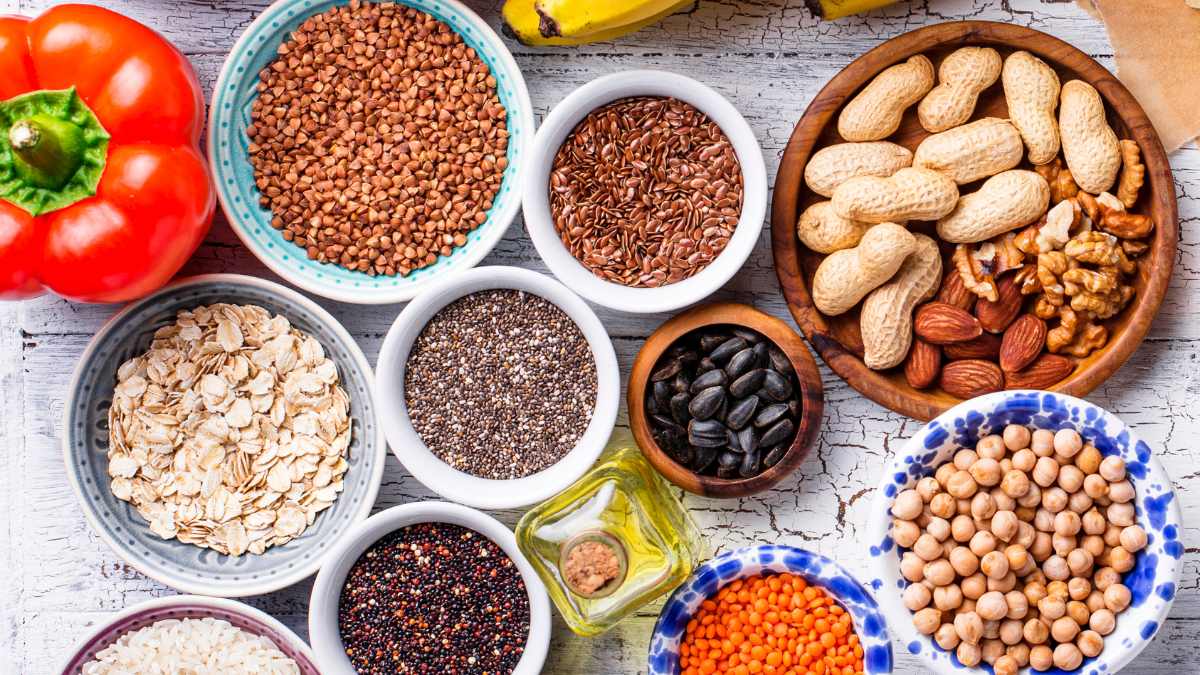
Vegetarianism is a dietary lifestyle that excludes the consumption of meat, poultry, and fish. The primary motivation behind this lifestyle can vary, including health reasons, ethical concerns, and environmental considerations. Vegetarians often consume a diet rich in fruits, vegetables, grains, nuts, and seeds, with some variations allowing for dairy and eggs.
There are several types of vegetarianism, including lacto-vegetarianism, ovo-vegetarianism, and lacto-ovo-vegetarianism. Lacto-vegetarians include dairy products in their diet but exclude eggs, while ovo-vegetarians do the opposite. Lacto-ovo-vegetarians consume both dairy and eggs. Regardless of the type, all vegetarians avoid meat, which includes ham.
The belief system underlying vegetarianism often involves a commitment to avoiding harm to animals. This ethical standpoint is a significant reason why vegetarians exclude meat from their diets. For many, the idea of consuming an animal product like ham contradicts their ethical beliefs about animal welfare.
In addition to ethical considerations, many vegetarians choose this lifestyle for health benefits. Research has shown that a vegetarian diet can lower the risk of chronic diseases such as heart disease, diabetes, and certain cancers. Thus, adhering to a vegetarian diet involves a combination of ethical, health, and sometimes environmental motivations.
Nutritional Composition of Ham: An Overview
Ham is a type of pork that is typically cured and sometimes smoked. It is rich in protein, providing essential amino acids necessary for muscle repair and growth. Ham also contains various vitamins and minerals, including B vitamins, iron, and zinc, which are vital for numerous bodily functions.
However, ham is also high in saturated fats and sodium. Excessive consumption of saturated fats can lead to increased cholesterol levels, raising the risk of heart disease. The high sodium content in ham can contribute to hypertension and other cardiovascular issues. These nutritional factors are often cited by vegetarians as reasons to avoid meat products.
From a caloric perspective, ham can be quite dense, which may not align with the dietary goals of some vegetarians who focus on nutrient-dense, low-calorie foods. The presence of preservatives and additives in processed ham is another concern for health-conscious individuals.
In summary, while ham provides certain nutritional benefits, it also poses health risks that many vegetarians aim to avoid. The high levels of saturated fats, sodium, and preservatives make ham an unsuitable choice for those adhering to a vegetarian diet focused on health and wellness.
Ethical Considerations: Animal Products in Vegetarianism
Ethical considerations are a cornerstone of vegetarianism. Many vegetarians choose this lifestyle to avoid contributing to the suffering and exploitation of animals. The production of ham involves the slaughter of pigs, which conflicts with the ethical principles of vegetarianism.
The conditions in which animals are raised and slaughtered for meat production are often cited as reasons for adopting a vegetarian lifestyle. Factory farming practices, which are common in the production of ham, involve confined spaces, lack of natural behaviors, and often inhumane treatment of animals. These practices are in direct opposition to the ethical beliefs held by many vegetarians.
Additionally, the environmental impact of meat production, including ham, is a significant concern. Livestock farming is a major contributor to greenhouse gas emissions, deforestation, and water pollution. By avoiding meat, vegetarians aim to reduce their environmental footprint and promote sustainability.
For these reasons, the ethical considerations surrounding the production and consumption of ham make it incompatible with vegetarian principles. The commitment to animal welfare and environmental sustainability is a driving force behind the exclusion of ham from a vegetarian diet.
The Role of Meat Substitutes in Vegetarian Diets
Meat substitutes play a crucial role in vegetarian diets, providing alternatives that mimic the taste and texture of meat without involving animal products. These substitutes are often made from plant-based ingredients such as soy, wheat gluten, and legumes, offering a variety of options for vegetarians.
Popular meat substitutes include tofu, tempeh, seitan, and various plant-based burgers and sausages. These products are designed to provide similar nutritional benefits to meat, such as high protein content, while avoiding the ethical and health concerns associated with animal products.
The development of meat substitutes has advanced significantly, with many products now closely resembling the taste and texture of meat. This makes it easier for individuals transitioning to a vegetarian diet to find satisfying alternatives to traditional meat products like ham.
In addition to providing nutritional benefits, meat substitutes also support the ethical and environmental goals of vegetarianism. By choosing plant-based alternatives, vegetarians can enjoy a varied and balanced diet while adhering to their principles of animal welfare and sustainability.
Health Implications: Consumption of Animal-Based Foods
The consumption of animal-based foods, including ham, has several health implications that are often cited by vegetarians as reasons for avoiding meat. High intake of saturated fats and cholesterol found in animal products can lead to cardiovascular diseases, including heart attacks and strokes.
Processed meats like ham are also associated with an increased risk of certain cancers. The World Health Organization has classified processed meats as Group 1 carcinogens, indicating a clear link between their consumption and cancer risk. This classification underscores the health risks associated with consuming products like ham.
Additionally, the high sodium content in ham can contribute to hypertension, a major risk factor for heart disease and stroke. Reducing sodium intake is a common dietary recommendation for maintaining cardiovascular health, which aligns with the goals of many vegetarians.
By avoiding animal-based foods and opting for a plant-based diet, vegetarians can reduce their risk of chronic diseases and promote overall health. The health implications of consuming products like ham provide a strong rationale for adhering to a vegetarian lifestyle.
Labeling and Misconceptions: Clarifying Vegetarian Options
Labeling and misconceptions about vegetarian options can lead to confusion about what foods are suitable for vegetarians. Some products may be labeled as "vegetarian" but still contain animal-derived ingredients, leading to unintentional consumption of non-vegetarian items.
Clear labeling is essential for helping vegetarians make informed choices. Products that are genuinely vegetarian should be clearly marked, and ingredient lists should be transparent and easy to understand. This helps consumers avoid hidden animal products and adhere to their dietary principles.
Misconceptions about vegetarianism can also contribute to confusion. For example, some people may assume that vegetarians can consume certain types of meat, like ham, if it is processed or prepared in a specific way. However, as discussed, vegetarianism fundamentally excludes all forms of meat, including ham.
Education and awareness are key to addressing these misconceptions. By providing accurate information and promoting clear labeling, it is possible to support vegetarians in maintaining their dietary choices and avoiding unintentional consumption of animal products.
Conclusion:
In conclusion, vegetarians cannot eat ham due to the fundamental principles of their dietary lifestyle. Vegetarianism excludes all forms of meat, including ham, based on ethical, health, and environmental considerations. The nutritional composition of ham, ethical concerns about animal welfare, and health implications of consuming processed meats further reinforce this exclusion. Meat substitutes offer viable alternatives that align with vegetarian principles, and clear labeling is essential for avoiding misconceptions. By understanding these aspects, it becomes evident why ham is not suitable for a vegetarian diet.
More Information
For further reading and reliable sources on this topic, consider the following links:
-
Vegetarian Society: What is a Vegetarian?
- This page provides a detailed definition of vegetarianism and its various forms.
-
World Health Organization: Q&A on the carcinogenicity of the consumption of red meat and processed meat
- Information on the health risks associated with processed meats like ham.
-
Harvard T.H. Chan School of Public Health: The Nutrition Source – Vegetarian Diets
- Insights into the health benefits and nutritional considerations of vegetarian diets.
-
PETA: Ethical Reasons for Vegetarianism
- An overview of the ethical reasons for adopting a vegetarian lifestyle.
-
Environmental Working Group: Meat Eater’s Guide to Climate Change + Health
- Information on the environmental impact of meat production and the benefits of a plant-based diet.