

Se hai un abbonamento attivo ACCEDI QUI
Introduction:
The question of whether vegetarians can eat salmon often arises due to the various interpretations and practices within vegetarianism. This article aims to clarify the dietary restrictions of vegetarians, define the different types of vegetarianism, examine the nutritional profile of salmon, discuss ethical considerations, explore health implications, and suggest alternative nutrient sources.
Understanding Vegetarian Dietary Restrictions
Vegetarianism is a dietary practice that excludes the consumption of meat, poultry, and fish. The primary reason for this restriction is to avoid the killing of animals for food. Therefore, by definition, a traditional vegetarian diet does not include salmon or any other type of fish.
However, dietary practices can vary widely among individuals who identify as vegetarians. Some may choose to include certain animal products in their diet for personal, cultural, or health reasons. Despite these variations, the core principle of vegetarianism remains the avoidance of animal flesh.
It’s important to note that vegetarianism is distinct from veganism. While vegetarians may consume dairy products and eggs, vegans avoid all animal-derived products, including honey and gelatin. Understanding these distinctions is crucial when discussing whether certain foods fit within a vegetarian diet.
In summary, traditional vegetarian dietary restrictions do not allow for the consumption of salmon. However, individual practices may vary, and some people who identify as vegetarians might choose to include fish in their diet, although they would more accurately be described as pescatarians.
Defining Vegetarianism and Its Variants
Vegetarianism encompasses several variants, each with its own set of dietary guidelines. The most common types include lacto-vegetarian, ovo-vegetarian, lacto-ovo-vegetarian, and pescatarian.
Lacto-vegetarians consume dairy products but avoid eggs, meat, and fish. Ovo-vegetarians include eggs in their diet but exclude dairy products, meat, and fish. Lacto-ovo-vegetarians consume both dairy products and eggs but abstain from meat and fish.
Pescatarians, on the other hand, include fish and seafood in their diet while avoiding meat from land animals. This variant is often confused with vegetarianism, but it is distinct due to the inclusion of fish. Therefore, pescatarians can eat salmon, but they are not considered vegetarians in the traditional sense.
Understanding these variants helps clarify the dietary choices of individuals who identify with different forms of vegetarianism. It also highlights that while traditional vegetarians do not consume salmon, pescatarians do, which can lead to confusion when discussing dietary practices.
Nutritional Profile of Salmon
Salmon is renowned for its rich nutritional profile, making it a popular choice for those who include fish in their diet. It is an excellent source of high-quality protein, essential fatty acids, vitamins, and minerals.
One of the most notable nutrients in salmon is omega-3 fatty acids, which are crucial for heart health, brain function, and reducing inflammation. These fatty acids are not as prevalent in plant-based foods, making salmon a valuable addition for those who consume fish.
Salmon is also rich in vitamins such as B12, D, and B6, which play vital roles in energy production, bone health, and overall well-being. Additionally, it contains minerals like selenium, potassium, and iodine, which are essential for various bodily functions.
While salmon offers numerous health benefits, it is important to remember that these nutrients can also be obtained from plant-based sources. For vegetarians, understanding alternative nutrient sources is key to maintaining a balanced and healthy diet without consuming fish.
Ethical Considerations for Vegetarians
Ethical considerations are a significant factor for many individuals who choose a vegetarian lifestyle. The decision to avoid meat and fish often stems from concerns about animal welfare, environmental sustainability, and the ethical implications of killing animals for food.
For traditional vegetarians, consuming salmon contradicts the ethical stance of avoiding animal flesh. The fishing industry, like other forms of animal agriculture, raises concerns about the treatment of animals, overfishing, and the impact on marine ecosystems.
Additionally, the methods used to catch and farm salmon can have detrimental effects on the environment. Overfishing can lead to the depletion of fish populations, while fish farming practices can contribute to pollution and habitat destruction.
Therefore, from an ethical standpoint, traditional vegetarians would likely avoid salmon to align with their values of animal welfare and environmental sustainability. Pescatarians, however, may weigh these ethical considerations differently and choose to include fish in their diet.
Health Implications of Consuming Salmon
While salmon is highly nutritious, its consumption may have health implications that vegetarians need to consider. One concern is the presence of contaminants such as mercury and polychlorinated biphenyls (PCBs), which can accumulate in fish and pose health risks.
Mercury exposure is particularly concerning for pregnant women, nursing mothers, and young children, as it can affect neurological development. Therefore, even pescatarians who include fish in their diet are advised to consume it in moderation and choose lower-mercury options.
Another consideration is the balance of omega-3 and omega-6 fatty acids in the diet. While salmon is a rich source of omega-3s, excessive consumption of fish can disrupt the balance of these essential fatty acids, potentially leading to inflammation and other health issues.
For vegetarians who do not consume fish, it is important to seek alternative sources of omega-3s, such as flaxseeds, chia seeds, walnuts, and algae-based supplements. These plant-based options can provide the necessary nutrients without the associated health risks of fish consumption.
Alternative Sources of Essential Nutrients
For vegetarians who do not consume salmon, there are numerous plant-based sources of essential nutrients that can support a balanced and healthy diet. These alternatives can provide the same benefits as those found in salmon without compromising dietary restrictions.
Omega-3 fatty acids, for example, can be obtained from flaxseeds, chia seeds, hemp seeds, and walnuts. These plant-based sources provide alpha-linolenic acid (ALA), which the body can convert to the more beneficial eicosapentaenoic acid (EPA) and docosahexaenoic acid (DHA).
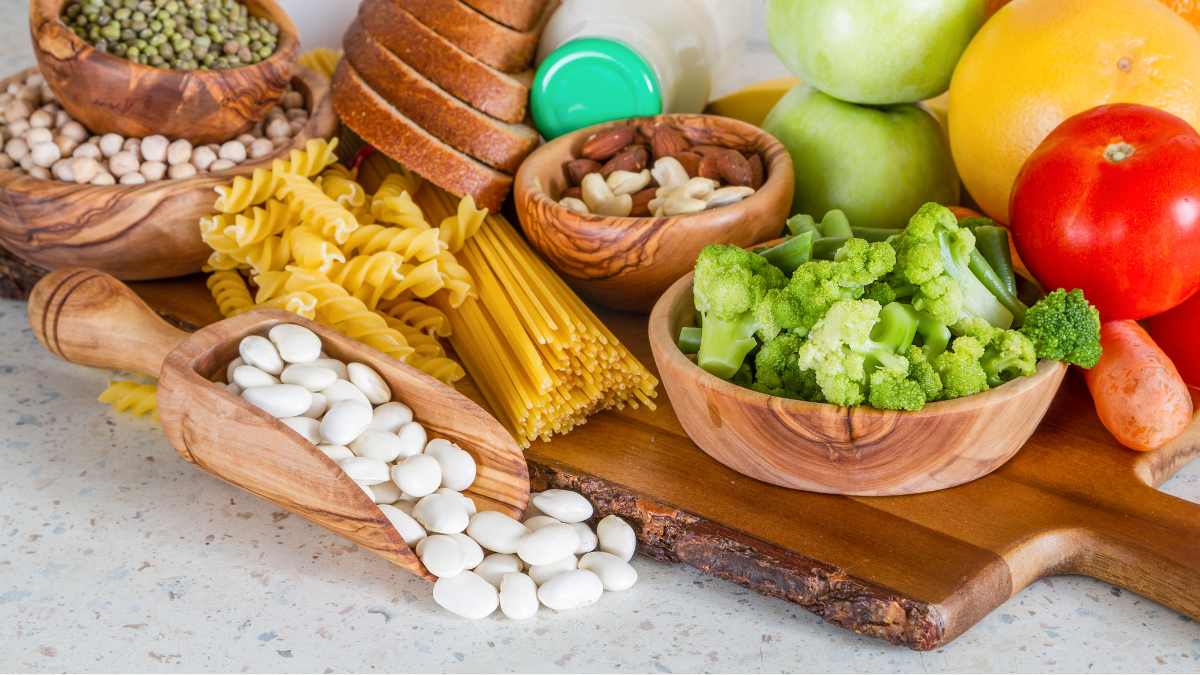
Protein needs can be met through a variety of plant-based foods, including legumes, tofu, tempeh, quinoa, and seitan. These options offer high-quality protein and essential amino acids necessary for muscle maintenance and overall health.
Vitamins and minerals found in salmon, such as B12, D, and iodine, can also be sourced from plant-based foods and supplements. Fortified plant milks, nutritional yeast, and sea vegetables are excellent options for obtaining these essential nutrients.
By incorporating a diverse range of plant-based foods into their diet, vegetarians can ensure they receive all the necessary nutrients for optimal health without consuming salmon or other animal products.
Conclusion:
In conclusion, traditional vegetarians do not consume salmon as it contradicts the core principle of avoiding animal flesh. However, dietary practices can vary, and some individuals who identify as vegetarians may choose to include fish in their diet, aligning more closely with pescatarianism. Understanding the different types of vegetarianism, the nutritional profile of salmon, ethical considerations, health implications, and alternative nutrient sources can help individuals make informed dietary choices that align with their values and health needs.
More Information:
For further reading and reliable sources on the topics covered in this article, please refer to the following links:
- Vegetarian Society – Provides comprehensive information on vegetarianism, including dietary guidelines and ethical considerations.
- Harvard T.H. Chan School of Public Health – Offers detailed insights into the health benefits and sources of omega-3 fatty acids.
- National Institutes of Health (NIH) – Provides information on the importance of vitamin B12 and its sources.
- Environmental Working Group (EWG) – Discusses the environmental and health implications of seafood consumption.
- American Dietetic Association – Offers resources on vegetarian nutrition and alternative sources of essential nutrients.