

Se hai un abbonamento attivo ACCEDI QUI
Introduction: Collagen is a crucial protein that plays a significant role in maintaining the structural integrity of various tissues in the human body. However, traditional sources of collagen are animal-based, which poses a dilemma for vegetarians and vegans. This article explores whether vegetarians can take collagen, delving into the sources, alternatives, and scientific studies related to plant-based collagen.
Understanding Collagen and Its Sources
Collagen is the most abundant protein in the human body, constituting a significant portion of the skin, bones, tendons, and ligaments. It is composed of amino acids, primarily glycine, proline, and hydroxyproline, which form a triple-helix structure providing tensile strength and elasticity to tissues. Traditionally, collagen supplements are derived from animal sources such as bovine, porcine, and marine collagen.
Bovine collagen is extracted from the hides, bones, and muscles of cows, while porcine collagen comes from pigs. Marine collagen, on the other hand, is sourced from fish scales and skin. These animal-derived collagens are hydrolyzed to break down the protein into smaller peptides, making it easier for human absorption. However, these sources are not suitable for vegetarians and vegans due to ethical and dietary restrictions.
The increasing demand for vegetarian and vegan alternatives has led to the exploration of plant-based sources. While plants do not produce collagen, certain plant-derived ingredients can boost the body’s natural collagen production. These alternatives include fruits, vegetables, and herbs rich in vitamins and minerals essential for collagen synthesis.
It is essential to understand that plant-based collagen supplements often contain a blend of ingredients that support collagen production rather than providing collagen directly. These ingredients include vitamin C, silica, and amino acids from plant sources, which work synergistically to enhance the body’s ability to produce collagen.
The Role of Collagen in Human Health
Collagen plays a pivotal role in maintaining the structural integrity and function of various tissues in the human body. It is a key component of the skin, providing elasticity and hydration, which helps in reducing wrinkles and fine lines. Collagen also supports the health of joints and bones by providing the necessary framework for cartilage and bone tissue.
In addition to its structural role, collagen is crucial for wound healing. It forms a scaffold for new tissue growth and helps in the repair of damaged tissues. Collagen also contributes to the strength and elasticity of blood vessels, which is vital for maintaining cardiovascular health.
The decline in collagen production with age leads to various health issues, including sagging skin, joint pain, and weakened bones. This natural decline has led to the popularity of collagen supplements, which aim to replenish the body’s collagen levels and mitigate the effects of aging.
Moreover, collagen is beneficial for gut health. It helps in maintaining the integrity of the gut lining, preventing conditions such as leaky gut syndrome. Collagen peptides are known to support the growth of beneficial gut bacteria, contributing to overall digestive health.
Collagen Production in the Body
The human body has the inherent ability to produce collagen, primarily through the fibroblast cells in the skin, bones, and connective tissues. This process involves the synthesis of procollagen, which is then converted into collagen fibers. The production of collagen is highly dependent on the availability of specific nutrients, including amino acids, vitamin C, zinc, and copper.
Vitamin C plays a crucial role in collagen synthesis by acting as a cofactor for the enzymes involved in the hydroxylation of proline and lysine, two amino acids essential for collagen stability. Without adequate vitamin C, the body cannot produce stable collagen fibers, leading to weakened connective tissues.
Amino acids, particularly glycine, proline, and hydroxyproline, are the building blocks of collagen. These amino acids can be obtained from dietary sources or synthesized by the body. However, the body’s ability to produce these amino acids declines with age, necessitating the need for dietary supplementation.
Minerals such as zinc and copper are also vital for collagen production. Zinc is involved in the activation of collagen-producing enzymes, while copper aids in the cross-linking of collagen fibers, enhancing their strength and stability. Ensuring an adequate intake of these nutrients is essential for maintaining optimal collagen levels in the body.
Vegetarian and Vegan Collagen Alternatives
For vegetarians and vegans, finding suitable collagen alternatives is crucial. While plants do not produce collagen, they can provide the necessary nutrients to support the body’s collagen production. One popular alternative is the use of plant-based collagen boosters, which include ingredients like vitamin C, silica, and amino acids from plant sources.
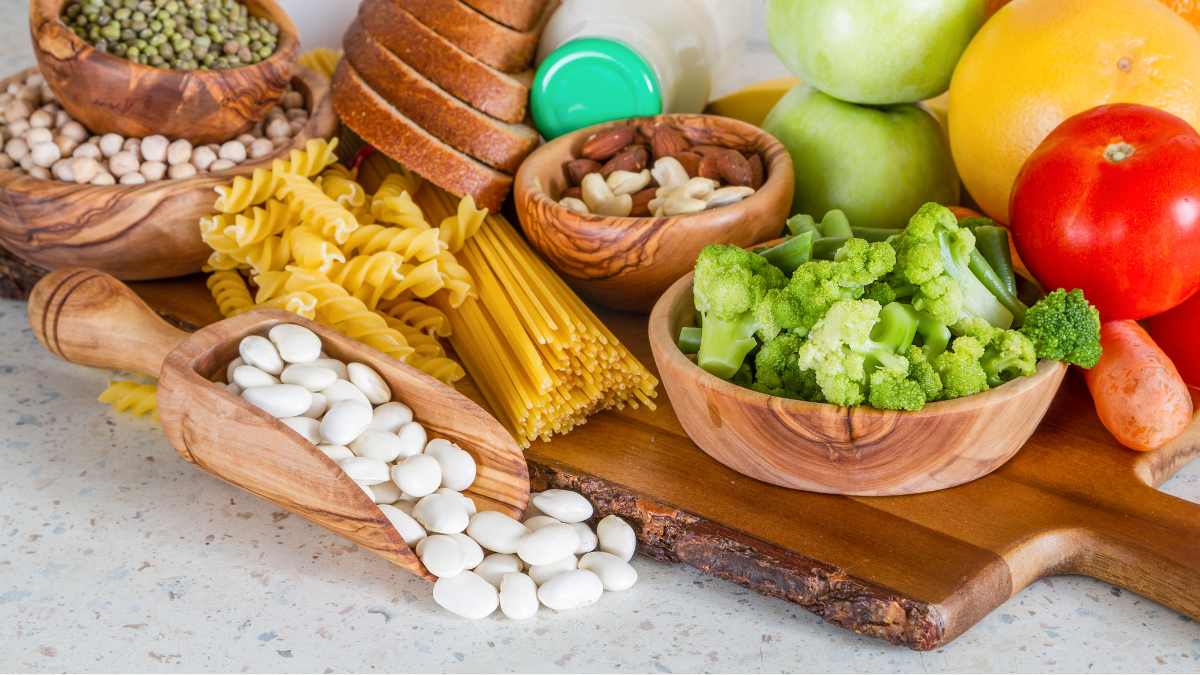
Vitamin C is abundant in fruits and vegetables such as citrus fruits, strawberries, bell peppers, and leafy greens. It is essential for collagen synthesis and helps in the stabilization of collagen fibers. Silica, found in foods like bananas, oats, and brown rice, supports the formation of collagen by enhancing the activity of collagen-producing enzymes.
Amino acids can be obtained from plant-based proteins such as soy, quinoa, and legumes. These proteins provide the necessary building blocks for collagen synthesis. Additionally, herbs like horsetail and nettle are rich in silica and can be used as supplements to boost collagen production.
Another promising alternative is the use of genetically engineered yeast and bacteria to produce collagen. These microorganisms can be modified to produce human collagen, providing a vegan-friendly option. This technology is still in its early stages but holds great potential for the future of vegan collagen supplements.
Nutritional Considerations for Vegetarians
Vegetarians need to pay close attention to their diet to ensure they get the necessary nutrients for collagen production. A well-balanced diet rich in fruits, vegetables, whole grains, and plant-based proteins can provide the essential vitamins and minerals required for collagen synthesis.
Vitamin C is a critical nutrient for collagen production, and vegetarians should include plenty of vitamin C-rich foods in their diet. Citrus fruits, strawberries, bell peppers, and leafy greens are excellent sources of vitamin C. Additionally, incorporating foods high in silica, such as bananas, oats, and brown rice, can support collagen formation.
Protein intake is also crucial for collagen synthesis. Vegetarians should consume a variety of plant-based proteins, including soy, quinoa, legumes, nuts, and seeds, to ensure they get all the essential amino acids. These amino acids are the building blocks of collagen and are necessary for its production.
Minerals like zinc and copper are vital for collagen production. Vegetarians can obtain zinc from foods like pumpkin seeds, lentils, and chickpeas, while copper can be found in nuts, seeds, and whole grains. Ensuring an adequate intake of these minerals through diet or supplements can support optimal collagen levels in the body.
Scientific Studies on Plant-Based Collagen
Several scientific studies have explored the potential of plant-based ingredients to support collagen production. One study found that vitamin C supplementation significantly increased collagen synthesis in human skin fibroblasts, highlighting the importance of this nutrient in collagen production.
Another study investigated the effects of silica on collagen formation and found that silica supplementation enhanced the activity of collagen-producing enzymes, leading to increased collagen synthesis. This suggests that silica-rich foods and supplements can support collagen production in vegetarians.
Research on plant-based proteins has also shown promising results. A study on soy protein found that it contains all the essential amino acids required for collagen synthesis and can effectively support collagen production in the body. This makes soy protein an excellent alternative for vegetarians looking to boost their collagen levels.
Emerging research on genetically engineered yeast and bacteria for collagen production is also promising. These microorganisms can be modified to produce human collagen, providing a vegan-friendly option. While this technology is still in its early stages, it holds great potential for the future of vegan collagen supplements.
Conclusion: While traditional collagen supplements are derived from animal sources, vegetarians and vegans have viable alternatives to support collagen production. By incorporating plant-based collagen boosters rich in vitamin C, silica, and amino acids, vegetarians can enhance their body’s natural collagen synthesis. Scientific studies support the efficacy of these plant-based ingredients, making them a suitable option for those following a vegetarian or vegan diet.
More informations
- National Institutes of Health (NIH) – Vitamin C and Collagen Synthesis: This resource provides detailed information on the role of vitamin C in collagen synthesis and its importance in human health.
- PubMed – Effects of Silica on Collagen Production: A comprehensive database of scientific studies, including research on the effects of silica on collagen production.
- Harvard T.H. Chan School of Public Health – Protein Quality: This resource discusses the importance of protein quality and sources, including plant-based proteins, for overall health.
- Journal of Agricultural and Food Chemistry – Soy Protein and Collagen Synthesis: A scientific journal that publishes research on food chemistry, including studies on the effects of soy protein on collagen synthesis.
- National Center for Biotechnology Information (NCBI) – Genetically Engineered Collagen: A resource for scientific studies on genetically engineered yeast and bacteria for collagen production, providing insights into emerging vegan collagen alternatives.