

Se hai un abbonamento attivo ACCEDI QUI
Introduction: The relationship between diet and aging has been a subject of scientific inquiry for decades. Among the various dietary patterns, vegetarianism has garnered attention for its potential health benefits, including the possibility of slowing down the aging process. This article delves into the intricate connections between vegetarian diets and aging, exploring biological mechanisms, nutritional profiles, and scientific studies that shed light on whether vegetarians indeed age slower.
Introduction to Vegetarianism and Aging
Vegetarianism, characterized by the exclusion of meat and sometimes other animal products, is often adopted for ethical, environmental, or health reasons. The diet typically includes a variety of fruits, vegetables, legumes, nuts, and grains, which are rich in essential nutrients. As people age, their bodies undergo various physiological changes, and diet plays a crucial role in influencing these changes.
Aging is a complex process influenced by genetic, environmental, and lifestyle factors. One of the key lifestyle factors is diet, which can impact the body’s ability to repair and maintain itself. The hypothesis that vegetarians might age slower is based on the idea that a plant-based diet provides a higher intake of antioxidants, vitamins, and minerals, which are known to combat oxidative stress and inflammation—two major contributors to aging.
Several studies have suggested that vegetarians may have a lower risk of chronic diseases such as heart disease, diabetes, and certain cancers, which are often associated with aging. These health benefits could potentially translate into a slower aging process. However, it is essential to examine the biological mechanisms and nutritional profiles of vegetarian diets to understand this relationship better.
In this article, we will explore the biological mechanisms of aging, the nutritional profile of vegetarian diets, the role of antioxidants, and comparative studies on aging in vegetarians. We will also discuss potential limitations and future research directions to provide a comprehensive overview of this intriguing topic.
Biological Mechanisms of Aging
Aging is driven by several biological mechanisms, including oxidative stress, telomere shortening, and cellular senescence. Oxidative stress occurs when there is an imbalance between free radicals and antioxidants in the body, leading to cellular damage. Over time, this damage accumulates, contributing to the aging process and the development of age-related diseases.
Telomeres, the protective caps at the ends of chromosomes, shorten with each cell division. When they become too short, cells can no longer divide and become senescent or die. This process is a natural part of aging but can be accelerated by factors such as poor diet, smoking, and stress. Some studies suggest that a diet rich in antioxidants, like those found in fruits and vegetables, can help protect telomeres and slow their shortening.
Cellular senescence is another critical factor in aging. Senescent cells lose their ability to divide and function properly, and they secrete inflammatory molecules that can damage surrounding tissues. This contributes to the decline in tissue function seen with aging. Diets high in anti-inflammatory foods, such as those found in vegetarian diets, may help reduce the burden of senescent cells.
Understanding these mechanisms highlights the potential for diet, particularly vegetarian diets, to influence the aging process. By providing the body with the nutrients it needs to combat oxidative stress, protect telomeres, and reduce inflammation, a vegetarian diet may help slow down some of the biological processes that drive aging.
Nutritional Profile of Vegetarian Diets
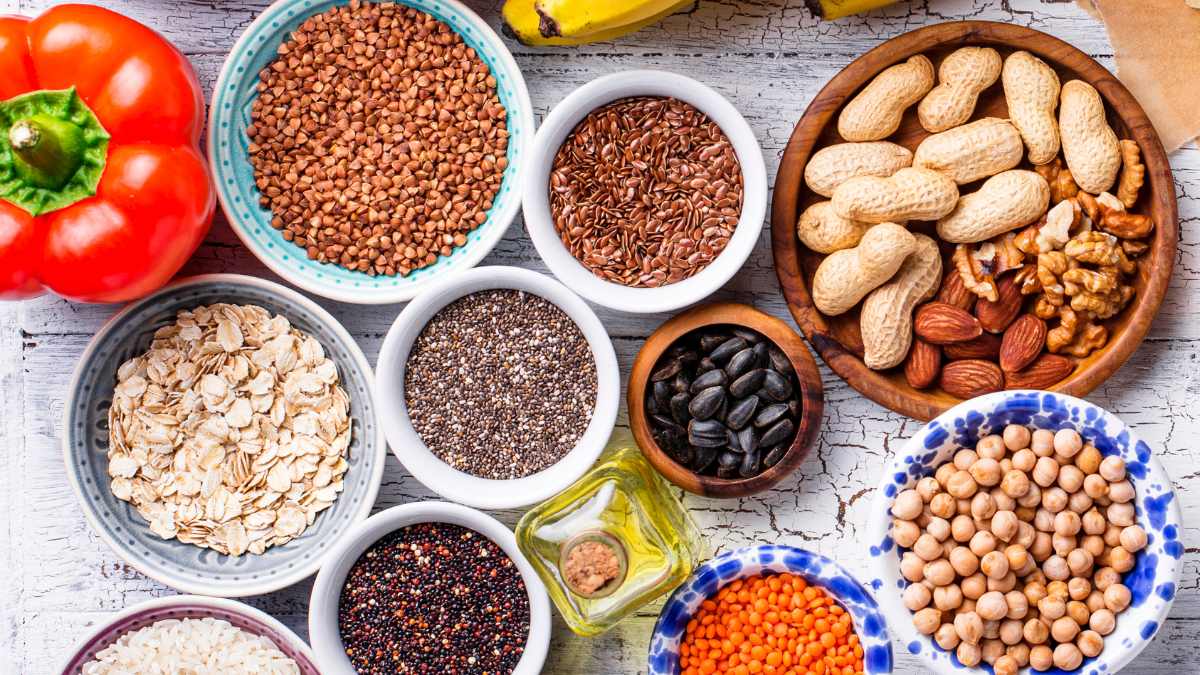
Vegetarian diets are typically rich in fruits, vegetables, whole grains, legumes, nuts, and seeds. These foods are high in essential nutrients such as vitamins, minerals, fiber, and phytonutrients, which are compounds found in plants that have health-promoting properties. The high intake of these nutrients is one of the reasons why vegetarian diets are associated with numerous health benefits.
One of the key components of a vegetarian diet is its high antioxidant content. Antioxidants, such as vitamins C and E, carotenoids, and flavonoids, help neutralize free radicals and reduce oxidative stress. This can help protect cells from damage and support healthy aging. Additionally, vegetarian diets are typically lower in saturated fats and cholesterol, which can reduce the risk of cardiovascular disease and improve overall health.
Fiber is another important component of vegetarian diets. High fiber intake is associated with better digestive health, lower cholesterol levels, and improved blood sugar control. These benefits can contribute to a reduced risk of chronic diseases and support healthy aging. Furthermore, fiber helps promote a healthy gut microbiome, which is increasingly recognized for its role in overall health and aging.
However, it is important to note that vegetarian diets must be well-planned to ensure they provide all essential nutrients. For example, vegetarians need to pay attention to their intake of vitamin B12, iron, calcium, and omega-3 fatty acids, which are primarily found in animal products. Fortified foods and supplements can help vegetarians meet their nutritional needs and support healthy aging.
Antioxidants and Their Role in Aging
Antioxidants play a crucial role in protecting the body from oxidative stress, which is a significant contributor to the aging process. Oxidative stress occurs when there is an imbalance between free radicals, which are unstable molecules that can damage cells, and antioxidants, which neutralize these free radicals. Over time, oxidative stress can lead to cellular damage, inflammation, and the development of age-related diseases.
Vegetarian diets are typically high in antioxidants due to their emphasis on fruits, vegetables, nuts, and seeds. These foods contain a variety of antioxidants, including vitamins C and E, carotenoids, and polyphenols. For example, berries are rich in anthocyanins, a type of polyphenol with potent antioxidant properties. Leafy greens are high in lutein and zeaxanthin, carotenoids that protect the eyes from age-related damage.
Research has shown that a high intake of antioxidants is associated with a reduced risk of chronic diseases and improved overall health. For instance, studies have found that people who consume diets rich in antioxidants have a lower risk of cardiovascular disease, certain cancers, and neurodegenerative diseases such as Alzheimer’s. These benefits suggest that antioxidants play a role in promoting healthy aging.
However, it is important to note that the relationship between antioxidants and aging is complex and not fully understood. While antioxidants can help reduce oxidative stress and protect cells, excessive intake of antioxidant supplements can have adverse effects. Therefore, it is generally recommended to obtain antioxidants from a balanced diet rich in fruits and vegetables rather than relying on supplements.
Comparative Studies on Aging in Vegetarians
Several comparative studies have investigated whether vegetarians age slower than their omnivorous counterparts. These studies typically examine various health markers, such as telomere length, oxidative stress levels, and the prevalence of age-related diseases, to assess the impact of a vegetarian diet on aging.
One study published in the American Journal of Clinical Nutrition found that vegetarians had longer telomeres compared to non-vegetarians. Longer telomeres are associated with a slower aging process and a lower risk of age-related diseases. The researchers attributed this finding to the high intake of antioxidants and anti-inflammatory compounds in vegetarian diets.
Another study conducted by the Adventist Health Study-2 examined the health outcomes of vegetarians and non-vegetarians over several years. The study found that vegetarians had a lower risk of developing chronic diseases such as heart disease, diabetes, and certain cancers. These findings suggest that a vegetarian diet may contribute to a longer and healthier life.
However, not all studies have found a significant difference in aging between vegetarians and non-vegetarians. Some research has shown that while vegetarians may have a lower risk of certain diseases, their overall lifespan is not significantly different from that of non-vegetarians. This indicates that other factors, such as genetics and lifestyle, also play a crucial role in aging.
Overall, while the evidence is not conclusive, many studies suggest that a vegetarian diet may offer health benefits that contribute to slower aging. More research is needed to fully understand the relationship between diet and aging and to identify the specific components of vegetarian diets that have the most significant impact.
Potential Limitations and Future Research Directions
While the potential benefits of vegetarian diets on aging are promising, there are several limitations to consider. One limitation is the variability in vegetarian diets. Not all vegetarian diets are the same, and the health benefits can vary depending on the specific foods consumed. For example, a diet high in processed vegetarian foods may not offer the same benefits as a diet rich in whole, plant-based foods.
Another limitation is the potential for nutrient deficiencies. As mentioned earlier, vegetarians need to ensure they get enough vitamin B12, iron, calcium, and omega-3 fatty acids. Nutrient deficiencies can negatively impact health and potentially offset the benefits of a vegetarian diet. Therefore, it is important for vegetarians to plan their diets carefully and consider supplementation if necessary.
Future research should focus on long-term studies that examine the impact of vegetarian diets on aging over several decades. These studies should consider various factors, such as genetic predisposition, lifestyle, and environmental influences, to provide a more comprehensive understanding of how diet affects aging. Additionally, research should explore the specific components of vegetarian diets that have the most significant impact on aging, such as particular antioxidants or anti-inflammatory compounds.
Another area for future research is the role of the gut microbiome in aging. Emerging evidence suggests that the gut microbiome plays a crucial role in overall health and aging. Vegetarian diets, which are high in fiber, can promote a healthy gut microbiome. Understanding how the gut microbiome interacts with diet and aging could provide valuable insights into the potential benefits of vegetarian diets.
Conclusion: The hypothesis that vegetarians age slower is supported by several biological mechanisms and comparative studies, though the evidence is not entirely conclusive. A well-planned vegetarian diet rich in antioxidants, fiber, and essential nutrients can contribute to better health and potentially slower aging. However, variability in diet quality and potential nutrient deficiencies are important considerations. Future research should continue to explore the complex relationship between diet and aging, with a focus on long-term studies and the role of the gut microbiome.
More Information
- American Journal of Clinical Nutrition: This journal provides peer-reviewed articles on the relationship between diet and aging, including studies on telomere length in vegetarians.
- Adventist Health Study-2: This long-term study examines the health outcomes of vegetarians and non-vegetarians, offering valuable insights into the impact of diet on aging.
- National Institutes of Health (NIH): The NIH offers a wealth of information on aging, including research on oxidative stress, telomeres, and the role of diet in healthy aging.
- Harvard T.H. Chan School of Public Health: This resource provides evidence-based information on the nutritional benefits of vegetarian diets and their impact on health and aging.
- PubMed: A comprehensive database of scientific studies, including research on antioxidants, inflammation, and the health benefits of vegetarian diets.