
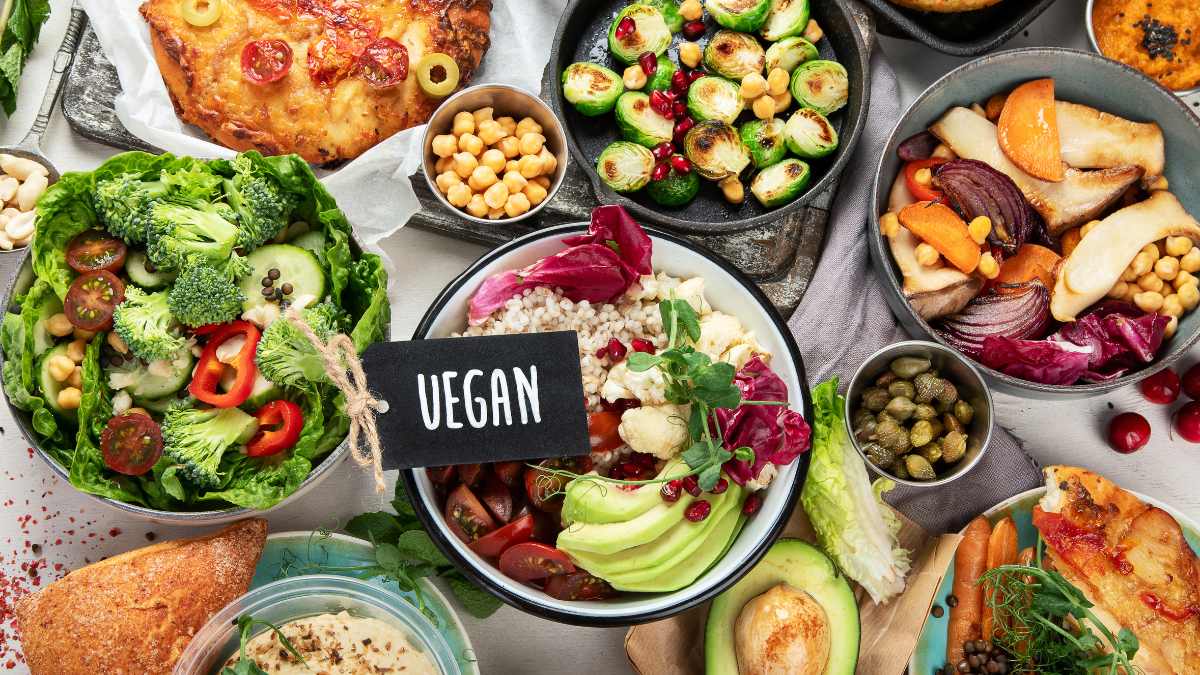

Introduction: The question of whether vegetarians eat cake might seem straightforward, but it delves into the complexities of dietary choices, ingredient scrutiny, and ethical considerations. Understanding these aspects is crucial for both vegetarians and those who cater to them. This article aims to explore the compatibility of cake consumption with a vegetarian lifestyle, examining common ingredients, suitable alternatives, and the broader implications of these choices.
Introduction to Vegetarian Dietary Choices
Vegetarianism is a dietary choice that excludes meat, fish, and poultry. However, the extent to which animal products are avoided can vary. Lacto-vegetarians consume dairy products but not eggs, while ovo-vegetarians include eggs but not dairy. Lacto-ovo vegetarians consume both dairy and eggs, making their dietary options more flexible. Understanding these distinctions is essential when considering whether vegetarians can eat cake.
The motivations behind vegetarianism are diverse, ranging from health concerns to ethical considerations about animal welfare and environmental sustainability. These motivations influence the degree to which individuals scrutinize the ingredients in their food. For instance, some vegetarians may avoid certain additives derived from animals, while others may not.
Given the variety of vegetarian diets, it’s important to recognize that not all vegetarians follow the same rules. This variability means that while one vegetarian might eat a particular type of cake, another might avoid it due to specific ingredients. Therefore, understanding the common ingredients in cakes and how they align with different vegetarian diets is crucial.
In summary, vegetarian dietary choices are not monolithic. They encompass a range of practices and beliefs, all of which impact whether a vegetarian might choose to eat cake. This context sets the stage for a deeper exploration of cake ingredients and their compatibility with vegetarianism.
Common Ingredients in Cakes and Pastries
Cakes and pastries typically contain a variety of ingredients that contribute to their texture, flavor, and appearance. The most common ingredients include flour, sugar, eggs, butter, milk, and leavening agents like baking powder or baking soda. Each of these ingredients plays a specific role in the baking process.
Flour provides the structure of the cake, while sugar adds sweetness and helps with browning. Eggs act as a binding agent and contribute to the cake’s moisture and texture. Butter and milk add richness and flavor, while leavening agents help the cake rise by producing gas bubbles during baking.
In addition to these primary ingredients, cakes often contain flavorings such as vanilla extract, cocoa powder, or fruit zest. Some cakes may also include fillings or toppings like frosting, fruit preserves, or nuts. These additional ingredients can significantly impact the cake’s suitability for vegetarians.
It’s also worth noting that some commercial cakes and pastries may contain additives or preservatives to extend shelf life or enhance flavor. These additives can sometimes be derived from animal sources, making them unsuitable for certain vegetarians. Therefore, a thorough understanding of cake ingredients is essential for determining their compatibility with a vegetarian diet.
Analyzing Cake Ingredients for Vegetarians
When analyzing cake ingredients for vegetarians, it’s important to consider the different types of vegetarian diets. Lacto-ovo vegetarians can consume both dairy and eggs, so traditional cakes made with these ingredients are generally acceptable. However, lacto-vegetarians would avoid cakes containing eggs, and ovo-vegetarians would avoid those with dairy.
One of the most scrutinized ingredients is gelatin, which is derived from animal collagen and often used in some types of frosting or fillings. Gelatin is not suitable for vegetarians, so alternatives like agar-agar, which is derived from seaweed, are used instead. Rennet, an enzyme used in some cheeses, can also be an issue if used in cake recipes that incorporate cheese.
Food colorings and flavorings can also pose challenges. Some food colorings, such as carmine, are derived from insects and are not vegetarian-friendly. Similarly, certain flavorings might contain animal-derived ingredients. Reading labels carefully and opting for plant-based colorings and flavorings can help ensure the cake is suitable for vegetarians.
Lastly, shortening or margarine used in cakes can sometimes contain animal fats. Vegetarians should look for products labeled as vegetable shortening or plant-based margarine to avoid this issue. By carefully analyzing and selecting ingredients, it is possible to make cakes that align with vegetarian dietary choices.
Vegetarian-Friendly Cake Recipes and Alternatives
Creating vegetarian-friendly cakes involves substituting non-vegetarian ingredients with suitable alternatives. For instance, eggs can be replaced with flaxseed meal or chia seeds mixed with water, which mimic the binding properties of eggs. Applesauce and mashed bananas are also popular egg substitutes that add moisture to the cake.
Dairy products like milk and butter can be replaced with plant-based alternatives. Almond milk, soy milk, and oat milk are excellent substitutes for cow’s milk. Similarly, coconut oil or vegan butter can replace traditional butter, providing the same richness and flavor without the use of animal products.
For those who enjoy baking, there are numerous vegetarian-friendly cake recipes available. For example, a classic vegan chocolate cake can be made using flour, cocoa powder, baking soda, sugar, vegetable oil, and a plant-based milk. The result is a rich, moist cake that satisfies both vegetarians and non-vegetarians alike.
Additionally, many bakeries and specialty stores now offer vegetarian and vegan cakes. These establishments often use high-quality, plant-based ingredients to create delicious cakes that cater to a variety of dietary preferences. Exploring these options can provide vegetarians with a wide range of choices when it comes to enjoying cakes and pastries.
Nutritional Considerations for Vegetarian Cakes
While creating vegetarian cakes, it’s important to consider their nutritional content. Traditional cakes are often high in sugar and saturated fats, which can contribute to health issues if consumed in excess. By using plant-based ingredients, it’s possible to make healthier versions of these treats.
Whole grain flours can be used instead of refined flours to increase the fiber content of the cake. This not only makes the cake more nutritious but also helps in maintaining a healthy digestive system. Additionally, using natural sweeteners like maple syrup or agave nectar can reduce the overall sugar content.
Incorporating nuts and seeds into cake recipes can boost their nutritional value. These ingredients add healthy fats, protein, and essential vitamins and minerals. For instance, adding ground flaxseeds or chia seeds not only replaces eggs but also provides omega-3 fatty acids, which are beneficial for heart health.
It’s also important to consider portion sizes when enjoying vegetarian cakes. While these cakes can be made healthier, they should still be consumed in moderation as part of a balanced diet. By paying attention to the ingredients and nutritional content, vegetarians can enjoy cakes that are both delicious and nutritious.
Ethical and Health Implications of Cake Consumption
The ethical implications of cake consumption for vegetarians primarily revolve around the sourcing of ingredients. Choosing plant-based ingredients helps reduce the demand for animal products, which can contribute to more sustainable and ethical food systems. This aligns with the ethical motivations of many vegetarians who seek to minimize animal suffering and environmental impact.
From a health perspective, vegetarian cakes can offer several benefits. Plant-based diets are often associated with lower risks of chronic diseases such as heart disease, diabetes, and certain cancers. By choosing vegetarian cakes made with wholesome ingredients, individuals can enjoy treats that align with their health goals.
However, it’s important to be mindful of the quality of ingredients used in vegetarian cakes. Highly processed plant-based ingredients can still be unhealthy if they contain excessive sugar, unhealthy fats, or artificial additives. Opting for natural, minimally processed ingredients can help ensure that the cakes are both ethical and healthful.
In conclusion, the consumption of vegetarian cakes involves a careful consideration of both ethical and health factors. By choosing plant-based ingredients and focusing on nutritional quality, vegetarians can enjoy cakes that align with their values and support their overall well-being.
Conclusion: Whether vegetarians eat cake depends on the ingredients used and the specific type of vegetarian diet they follow. By understanding common cake ingredients and making appropriate substitutions, it’s possible to create delicious, vegetarian-friendly cakes. These cakes not only align with ethical and health considerations but also offer a satisfying treat for those who choose a vegetarian lifestyle.
More Information
- Vegetarian Society – Provides comprehensive information on vegetarian diets, including recipes and ingredient guides.
- PETA – Offers resources on vegan and vegetarian living, including food choices and ethical considerations.
- American Heart Association – Discusses the health benefits of plant-based diets and provides nutritional guidelines.
- BBC Good Food – Features a variety of vegetarian and vegan cake recipes with detailed instructions.
- The Vegetarian Resource Group – Provides information on vegetarian nutrition, recipes, and ingredient analysis.