

Se hai un abbonamento attivo ACCEDI QUI
Introduction: The topic of whether vegetarians eat salmon often sparks confusion and debate. Vegetarianism is a dietary choice that excludes meat, but the nuances and variations within this lifestyle can lead to misunderstandings. This article aims to clarify these complexities by examining the core principles of vegetarianism, common misconceptions, the nutritional profile of salmon, ethical considerations, and the health implications of vegetarian versus pescatarian diets.
Defining Vegetarianism: Core Principles and Variations
Vegetarianism is fundamentally defined as a diet that excludes meat, poultry, and fish. The core principle is to avoid the consumption of animal flesh, which extends to all forms of meat, including seafood. However, within the broader category of vegetarianism, there are several variations that may include or exclude different animal products.
One common variation is the lacto-ovo vegetarian diet, which includes dairy products and eggs but excludes meat, poultry, and fish. Another variation is the lacto-vegetarian diet, which includes dairy products but excludes eggs, meat, poultry, and fish. Similarly, the ovo-vegetarian diet includes eggs but excludes dairy products, meat, poultry, and fish.
A more flexible approach is the flexitarian diet, which primarily focuses on plant-based foods but occasionally includes meat, poultry, or fish. However, it is important to note that flexitarians are not considered strict vegetarians.
Lastly, the pescatarian diet includes fish and seafood but excludes other forms of meat. While pescatarians consume fish like salmon, they are not classified as vegetarians because they do not adhere to the core principle of excluding all animal flesh.
Common Misconceptions About Vegetarian Diets
One of the most common misconceptions is that vegetarians can eat fish, including salmon. This misunderstanding likely stems from the confusion between vegetarianism and pescatarianism. As previously mentioned, vegetarians do not consume any form of animal flesh, which includes fish and seafood.
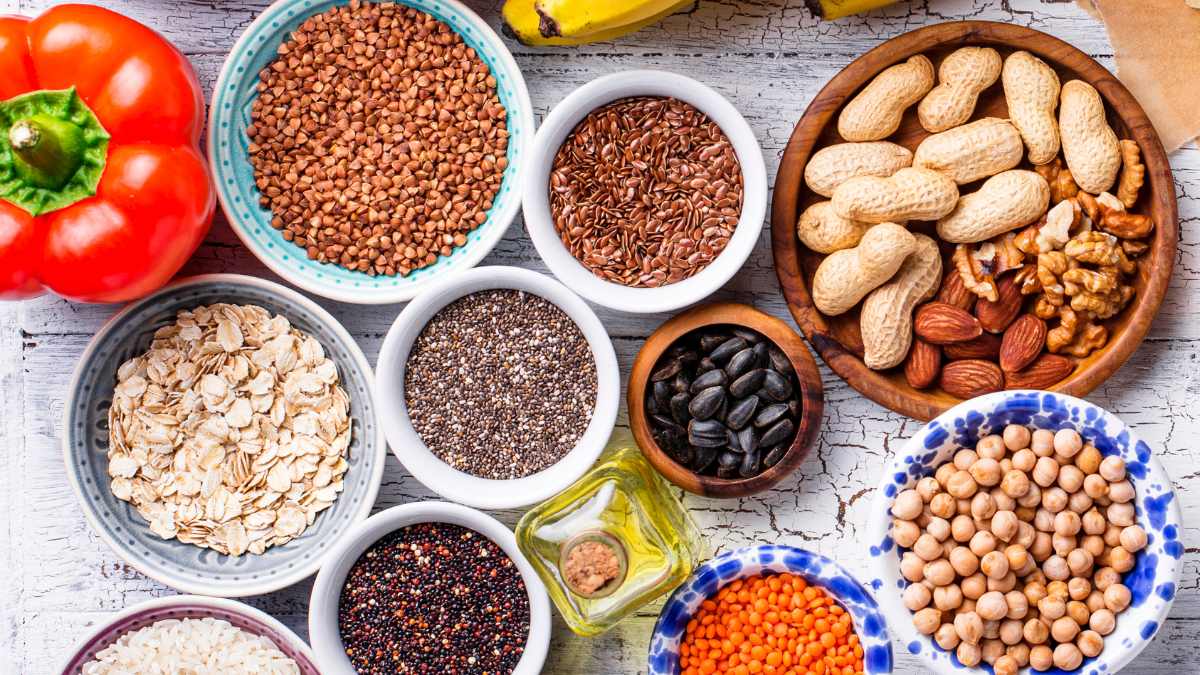
Another misconception is that vegetarian diets lack sufficient protein and other essential nutrients. While it is true that vegetarians need to be mindful of their nutrient intake, there are plenty of plant-based sources of protein, such as beans, lentils, tofu, and quinoa, that can adequately meet their dietary needs.
Some people also believe that vegetarian diets are inherently healthier than omnivorous diets. While vegetarian diets can offer health benefits, such as lower risks of heart disease and certain cancers, they are not automatically healthier. The quality of a vegetarian diet depends on the variety and balance of foods consumed.
Additionally, there is a misconception that all vegetarians have the same ethical motivations. While many vegetarians choose this diet for animal welfare reasons, others may do so for health, environmental, or religious reasons. Understanding these diverse motivations can help clarify why vegetarians do not consume fish like salmon.
Nutritional Profile of Salmon: Key Considerations
Salmon is often praised for its rich nutritional profile, particularly its high content of omega-3 fatty acids, which are essential for heart and brain health. It is also an excellent source of high-quality protein, vitamins B12 and D, and minerals such as selenium and iodine.
Omega-3 fatty acids, specifically EPA and DHA, are crucial for reducing inflammation, supporting cognitive function, and maintaining cardiovascular health. While these fatty acids are predominantly found in fish, vegetarians can obtain them from plant-based sources like flaxseeds, chia seeds, and walnuts, as well as algae-based supplements.
Vitamin B12 is another critical nutrient found in salmon that is essential for nerve function and the production of red blood cells. Since B12 is primarily found in animal products, vegetarians need to seek fortified foods or supplements to meet their daily requirements.
While salmon offers numerous health benefits, it is important to recognize that a well-planned vegetarian diet can provide all the necessary nutrients through a combination of plant-based foods and supplements. Therefore, the exclusion of salmon does not inherently compromise a vegetarian’s nutritional status.
Ethical Considerations: Animal Welfare and Salmon
For many vegetarians, ethical considerations regarding animal welfare play a significant role in their dietary choices. The fishing industry, including salmon farming, raises several ethical concerns related to animal welfare, environmental impact, and sustainability.
Wild-caught salmon often face issues such as overfishing, bycatch (the unintentional capture of non-target species), and habitat destruction. These practices can lead to the depletion of fish populations and disrupt marine ecosystems, raising ethical and environmental concerns for those who prioritize sustainability.
Farmed salmon, while presented as a more sustainable option, also come with ethical challenges. Issues such as overcrowding, disease, and the use of antibiotics in fish farms can compromise the welfare of the fish and raise concerns about the environmental impact of aquaculture practices.
For vegetarians who choose this lifestyle for ethical reasons, the consumption of salmon contradicts their commitment to reducing harm to animals. This ethical stance reinforces the exclusion of fish and seafood from a vegetarian diet, aligning with the core principle of avoiding animal flesh.
Health Implications: Vegetarian Diets vs. Pescatarian Diets
When comparing vegetarian and pescatarian diets, it is essential to consider the health implications of each. Both diets can offer health benefits, but they differ in their sources of nutrients and potential risks.
Vegetarian diets are often rich in fruits, vegetables, whole grains, legumes, nuts, and seeds, which provide a wide array of vitamins, minerals, antioxidants, and fiber. These diets are associated with lower risks of chronic diseases such as heart disease, hypertension, type 2 diabetes, and certain cancers.
Pescatarian diets, which include fish like salmon, provide additional sources of omega-3 fatty acids, vitamin B12, and other nutrients that may be less abundant in vegetarian diets. These nutrients can contribute to improved cardiovascular health, cognitive function, and overall well-being.
However, pescatarian diets may also carry risks related to the consumption of fish, such as exposure to mercury and other environmental contaminants. It is essential for pescatarians to choose fish wisely and consider the potential health risks associated with seafood consumption.
Ultimately, both vegetarian and pescatarian diets can be healthy and nutritionally adequate when well-planned. The choice between the two often depends on individual preferences, ethical considerations, and specific health needs.
Conclusion: Do Vegetarians Include Salmon in Their Diet?
In conclusion, vegetarians do not include salmon in their diet as it contradicts the core principle of avoiding animal flesh. While there are various forms of vegetarianism, none of them permit the consumption of fish or seafood. The confusion often arises from the distinction between vegetarianism and pescatarianism, with the latter including fish but not being classified as vegetarian.
Vegetarian diets can be nutritionally adequate and offer numerous health benefits without the inclusion of salmon. Ethical considerations related to animal welfare and environmental impact further reinforce the exclusion of fish from a vegetarian diet. Understanding these principles and distinctions helps clarify why vegetarians do not eat salmon.
More informations:
-
Vegetarian Society – Vegetarian Society
- Provides comprehensive information on the definitions and variations of vegetarianism.
-
Harvard T.H. Chan School of Public Health – Harvard T.H. Chan School of Public Health
- Offers detailed insights into the nutritional benefits of omega-3 fatty acids and their sources.
-
American Dietetic Association – American Dietetic Association
- A reliable source for information on vegetarian nutrition and dietary planning.
-
World Wildlife Fund – World Wildlife Fund
- Discusses the environmental and ethical concerns related to salmon farming.
-
National Institutes of Health – National Institutes of Health
- Provides detailed information on vitamin B12, its sources, and its importance in the diet.