

Se hai un abbonamento attivo ACCEDI QUI
Introduction:
Body Mass Index (BMI) is a widely used metric for assessing body weight relative to height, helping to categorize individuals into different weight classifications. A BMI of 33 falls within the range classified as obese, but understanding the implications of this number requires a deeper exploration of BMI, obesity definitions, health risks, and management strategies. This article aims to provide a comprehensive understanding of what it means to have a BMI of 33 and the associated health considerations.
Understanding Body Mass Index (BMI) and Its Significance
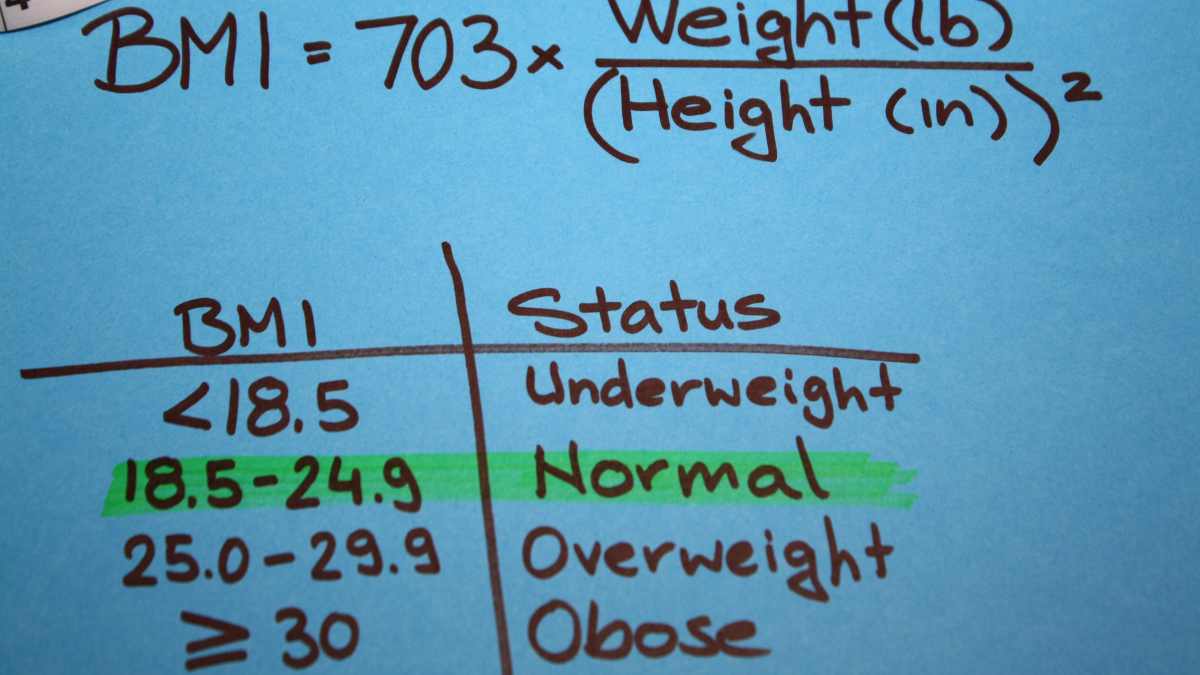
BMI is calculated using a person’s weight in kilograms divided by the square of their height in meters. This simple formula provides a numerical value that helps categorize individuals into underweight, normal weight, overweight, and obese categories. While BMI is a useful screening tool, it does not measure body fat directly. Instead, it serves as a proxy for assessing whether a person has a healthy body weight for their height.
The significance of BMI lies in its ability to provide a quick reference point for health professionals to identify potential weight-related health issues. However, it is essential to recognize that BMI does not account for factors such as muscle mass, bone density, and fat distribution. Consequently, athletes or individuals with a high muscle mass may be classified as overweight or obese despite having low body fat.
Despite its limitations, BMI remains a valuable tool in public health, as it provides a standardized method for assessing weight-related health risks across populations. Health organizations, including the World Health Organization (WHO), rely on BMI to monitor trends in obesity and related health conditions. Understanding BMI’s role in health assessments is crucial for interpreting its implications accurately.
In summary, while BMI is a useful indicator of body weight, it should be considered alongside other health metrics and individual characteristics to gain a comprehensive understanding of one’s health status.
Defining Obesity: Criteria and Classification Systems
Obesity is defined as an excessive accumulation of body fat that poses health risks. The most commonly used classification system for obesity is based on BMI values. According to the WHO, a BMI of 30 or higher is classified as obese, with further subdivisions: Class 1 (30-34.9), Class 2 (35-39.9), and Class 3 (40 and above). A BMI of 33 falls into Class 1 obesity, indicating a moderate level of obesity.
In addition to BMI, other criteria and classification systems are used to assess obesity. Waist circumference is another important metric, as it provides insight into abdominal fat distribution. A waist circumference greater than 40 inches in men and 35 inches in women is associated with increased health risks. The waist-to-hip ratio is also utilized to evaluate fat distribution and its potential impact on health.
Understanding these classifications is vital for recognizing the potential health implications of obesity. The classification system not only helps identify individuals at risk but also guides healthcare professionals in developing appropriate interventions and treatment plans.
Furthermore, the psychological and social aspects of obesity cannot be overlooked. Stigmatization and discrimination based on weight can lead to mental health issues, which may further complicate weight management efforts. Therefore, a comprehensive approach to defining and understanding obesity should encompass both physical and psychological dimensions.
Analyzing the Implications of a BMI of 33
A BMI of 33 categorizes an individual as Class 1 obese, which carries specific implications for health and well-being. Individuals in this category may experience a range of physical and psychological challenges. Physically, obesity can lead to increased strain on the body’s systems, including the cardiovascular, respiratory, and musculoskeletal systems. This strain can manifest in symptoms such as fatigue, joint pain, and reduced mobility.
Psychologically, individuals with a BMI of 33 may experience issues related to body image, self-esteem, and social interactions. The societal stigma associated with obesity can lead to feelings of isolation or depression, which may further complicate efforts to achieve a healthier weight. Understanding these implications is crucial for developing a holistic approach to weight management.
Moreover, it is essential to recognize that BMI alone does not provide a complete picture of an individual’s health. Factors such as age, gender, genetics, and lifestyle choices play a significant role in determining health outcomes. For instance, two individuals with the same BMI may have different health profiles based on their muscle mass, fat distribution, and overall fitness levels.
In conclusion, a BMI of 33 indicates Class 1 obesity, which comes with various physical and psychological implications. Acknowledging these factors is essential for fostering a supportive environment that encourages individuals to pursue healthier lifestyles.
Health Risks Associated with Obesity and Elevated BMI
Obesity, particularly at a BMI of 33, is associated with an increased risk of several chronic health conditions. These include cardiovascular diseases, such as heart disease and hypertension, which can result from the strain obesity places on the heart and blood vessels. Additionally, individuals with obesity are at a higher risk for type 2 diabetes, as excess body fat can lead to insulin resistance.
Another significant health risk associated with obesity is the development of certain cancers. Research has shown that obesity is linked to an increased risk of cancers such as breast, colon, and endometrial cancer. This association underscores the importance of addressing obesity as a public health concern.
Furthermore, obesity can negatively impact mental health, leading to conditions such as anxiety and depression. The interplay between physical and mental health is complex, and individuals struggling with obesity may find it challenging to engage in physical activity or maintain a healthy diet due to psychological barriers.
In summary, the health risks associated with a BMI of 33 are multifaceted, encompassing both physical and mental health challenges. Addressing these risks requires a comprehensive approach that prioritizes both weight management and overall well-being.
Strategies for Managing Weight and Improving Health
Managing weight effectively involves a combination of dietary changes, physical activity, and behavioral modifications. A balanced diet that emphasizes whole foods, such as fruits, vegetables, lean proteins, and whole grains, can help individuals achieve and maintain a healthier weight. Reducing the intake of processed foods, sugars, and saturated fats is also crucial for weight management.
Incorporating regular physical activity into daily routines is another essential strategy for managing weight. The Centers for Disease Control and Prevention (CDC) recommends at least 150 minutes of moderate-intensity aerobic activity per week, along with strength training exercises on two or more days. Engaging in physical activity not only aids in weight loss but also improves overall health and well-being.
Behavioral modifications, such as setting realistic goals, tracking progress, and seeking social support, can enhance weight management efforts. Mindful eating practices, which involve paying attention to hunger cues and making conscious food choices, can also contribute to healthier eating habits.
Ultimately, successful weight management is a lifelong journey that requires commitment and perseverance. By adopting a holistic approach that encompasses diet, exercise, and behavioral changes, individuals can improve their health and reduce the risks associated with obesity.
Consulting Healthcare Professionals for Personalized Guidance
While general strategies for weight management can be beneficial, consulting healthcare professionals is crucial for personalized guidance. Healthcare providers, including doctors, registered dietitians, and mental health professionals, can offer tailored advice based on an individual’s unique health profile, needs, and goals.
A healthcare professional can conduct a comprehensive assessment, including evaluating medical history, current health conditions, and lifestyle factors. This assessment can help identify specific barriers to weight management and inform the development of a personalized plan that addresses both physical and psychological aspects of health.
Additionally, healthcare professionals can provide ongoing support and accountability, which are vital for long-term success. Regular check-ins can help individuals stay motivated and make necessary adjustments to their weight management strategies as they progress.
In conclusion, consulting healthcare professionals is an essential step in managing weight effectively. Their expertise can provide valuable insights and support, helping individuals achieve their health goals in a safe and sustainable manner.
Conclusions:
Understanding the implications of a BMI of 33 is crucial for recognizing the associated health risks and developing effective weight management strategies. By considering the multifaceted nature of obesity and consulting healthcare professionals, individuals can take proactive steps toward improving their health and well-being.
Read more:
- World Health Organization – Obesity and Overweight – Comprehensive overview of obesity, its causes, and health implications.
- Centers for Disease Control and Prevention – Adult Obesity Facts – Statistics and information on adult obesity in the United States.
- National Institute of Diabetes and Digestive and Kidney Diseases – Health Risks of Overweight – Detailed information on health risks associated with being overweight and obese.
- Mayo Clinic – Obesity – Overview of obesity, including symptoms, causes, and treatment options.
- American Heart Association – Obesity and Heart Disease – Insight into how obesity affects heart health and strategies for prevention.