

Se hai un abbonamento attivo ACCEDI QUI
Introduction:
Body Mass Index (BMI) is a widely used metric for assessing body weight relative to height, providing a simple numerical measure that can categorize individuals into various weight classes. However, the question of when one appears "thin" is not solely determined by BMI. This article delves into the intricacies of BMI, its relationship with perceived thinness, and the various factors that influence how body weight and shape are interpreted across different cultures and contexts.
Understanding Body Mass Index: A Technical Overview
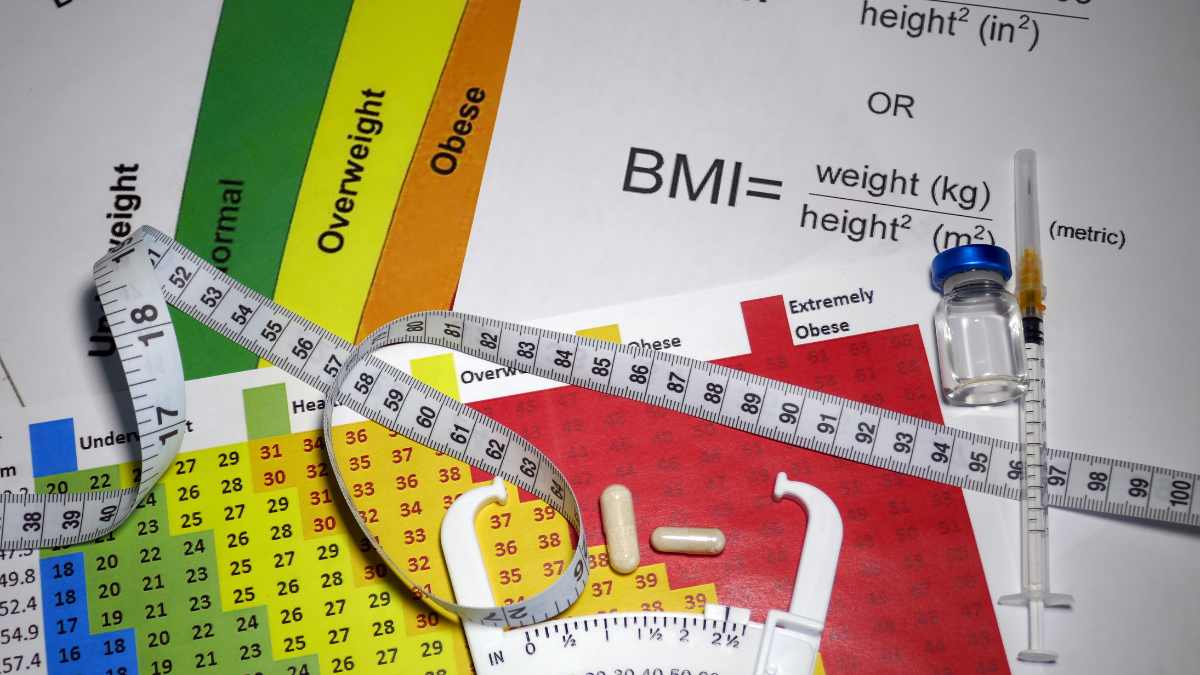
BMI is calculated by dividing a person’s weight in kilograms by the square of their height in meters. This formula yields a number that is categorized into different ranges: underweight (BMI < 18.5), normal weight (BMI 18.5–24.9), overweight (BMI 25–29.9), and obese (BMI ≥ 30). While BMI is a useful screening tool for assessing body weight, it does not directly measure body fat or account for muscle mass, bone density, and overall body composition.
The simplicity of the BMI calculation makes it a popular choice for public health initiatives and clinical settings. However, it is important to recognize its limitations. For instance, athletes or individuals with a high muscle mass may be classified as overweight or obese according to BMI, despite having low body fat percentages. Therefore, while BMI can provide a general overview of weight status, it should not be the sole determinant of health.
Moreover, BMI does not consider factors such as age, sex, and ethnicity, which can influence body composition. For example, older adults may have a higher percentage of body fat compared to younger individuals with the same BMI. Consequently, the interpretation of BMI values can vary significantly among different populations, necessitating a more nuanced understanding of body weight and health.
In clinical practice, healthcare providers often use BMI in conjunction with other assessments, such as waist circumference and body fat percentage measurements, to obtain a more comprehensive picture of an individual's health status. This multifaceted approach can help identify those at risk for obesity-related health issues, such as cardiovascular disease and diabetes, while also acknowledging the limitations of BMI as a standalone metric.
The Relationship Between BMI and Perceived Thinness
The perception of thinness is often influenced by societal norms and personal beliefs, which can vary widely across different cultures and communities. While a lower BMI is generally associated with being thin, the subjective experience of thinness is complex and multifaceted. Individuals with the same BMI may appear differently based on factors such as body shape, distribution of fat, and muscle tone.
Research indicates that people often associate thinness with attractiveness, health, and social status, leading to a societal bias that favors lower body weight. This perception can create pressure to achieve a certain body image, influencing behaviors related to diet and exercise. However, it is crucial to recognize that the pursuit of thinness can sometimes lead to unhealthy practices, such as disordered eating and excessive exercise.
Furthermore, the relationship between BMI and perceived thinness can be distorted by media portrayals of ideal body types. Advertisements, fashion, and social media often promote unrealistic standards of beauty that emphasize extreme thinness, contributing to body dissatisfaction among individuals who do not conform to these ideals. This phenomenon can exacerbate feelings of inadequacy and lead to a negative body image.
In contrast, some individuals may feel that they do not fit societal definitions of thinness even when their BMI falls within the normal range. This discrepancy highlights the importance of recognizing that body image is a subjective experience shaped by personal and cultural factors, rather than a strict adherence to numerical values.
Factors Influencing Perception of Body Weight and Shape
Numerous factors influence how individuals perceive body weight and shape, including cultural background, personal experiences, and psychological factors. Cultural norms play a significant role in shaping attitudes toward body image, with some cultures valuing larger body sizes as symbols of wealth and fertility, while others may idealize thinness.
Personal experiences, such as childhood teasing or family attitudes toward body weight, can also impact an individual's self-perception. Those who have experienced negative comments about their weight may develop a distorted body image, leading to feelings of shame and inadequacy. This can perpetuate a cycle of unhealthy behaviors aimed at achieving a certain body type.
Psychological factors, including self-esteem and mental health, further complicate the perception of body weight. Individuals with low self-esteem may be more likely to view themselves negatively, regardless of their actual body size. Conversely, those with a positive self-image may feel confident in their bodies, even if their BMI indicates they are overweight or obese.
Social media has also emerged as a powerful influence on body image perception. The constant exposure to curated images of "ideal" bodies can create unrealistic expectations and contribute to body dissatisfaction. As a result, individuals may feel pressured to conform to these standards, leading to unhealthy behaviors and a distorted sense of self-worth.
Analyzing BMI Ranges: What Constitutes 'Thin'?
The classification of BMI ranges provides a framework for understanding body weight categories, but the definition of "thin" can vary. Generally, individuals with a BMI below 18.5 are classified as underweight, which is often perceived as thin. However, the nuances of body composition mean that some individuals with a BMI in the normal range may still appear thin, depending on their body shape and fat distribution.
For instance, individuals with a pear-shaped body may carry weight in their hips and thighs, while those with an apple-shaped body may have more weight around their abdomen. These differences can affect how thin an individual appears, regardless of their BMI. Additionally, factors such as height can also influence perceptions of thinness; a taller person with a BMI of 20 may appear thinner than a shorter person with the same BMI.
It is also important to consider the impact of muscle mass on perceived thinness. Individuals with higher muscle mass may weigh more but still appear lean and toned. This highlights the importance of understanding that BMI is not a comprehensive measure of body composition and does not account for variations in muscle and fat distribution.
Ultimately, the perception of thinness is subjective and influenced by a combination of factors, including cultural standards, personal experiences, and individual body composition. Therefore, while BMI can provide a general guideline, it should not be the sole factor in determining whether someone appears thin or healthy.
Cultural Variations in BMI Interpretation and Standards
Cultural context significantly influences how BMI is interpreted and what is considered an acceptable body weight. In some cultures, a higher BMI may be associated with prosperity and health, while in others, a lower BMI may be idealized. These cultural differences can shape individual perceptions of body image and influence behaviors related to diet and exercise.
For example, in many Western societies, thinness is often equated with beauty and success, leading to a societal preference for lower BMI values. This cultural bias can create pressure to conform to these ideals, resulting in unhealthy weight management practices and body dissatisfaction among individuals who do not meet these standards.
Conversely, in certain cultures, larger body sizes are celebrated and associated with positive attributes, such as fertility and strength. In these contexts, individuals with higher BMIs may experience less stigma and may not feel the same pressure to conform to Western ideals of thinness. This cultural acceptance can contribute to a more positive body image among individuals with larger body sizes.
Moreover, globalization and the influence of Western media have led to a blending of cultural standards, often resulting in conflicting messages about body image. As individuals are exposed to diverse ideals of beauty, they may struggle to reconcile their cultural values with societal pressures, leading to confusion and dissatisfaction with their bodies.
Implications of BMI on Health and Body Image Perception
While BMI serves as a useful tool for assessing weight-related health risks, its implications extend beyond mere numbers. The societal emphasis on BMI can lead to stigmatization of individuals with higher BMIs, contributing to negative body image and mental health issues. This stigma can manifest in various forms, including discrimination in healthcare settings, workplace bias, and social exclusion.
Research has shown that individuals who experience weight-related stigma are more likely to engage in unhealthy behaviors, such as emotional eating or sedentary lifestyles, which can exacerbate weight-related health issues. This creates a vicious cycle where negative perceptions of body weight lead to poorer health outcomes, further reinforcing societal biases against individuals with higher BMIs.
Furthermore, the focus on BMI can overshadow other important aspects of health, such as physical fitness, mental well-being, and overall lifestyle. Individuals with higher BMIs may be physically active and maintain a balanced diet, yet still face judgment based on their weight. This highlights the need for a more holistic approach to health that considers various factors beyond BMI.
In conclusion, while BMI can provide valuable information about body weight, it is essential to recognize its limitations and the broader implications of body image perception. A more inclusive understanding of health and body image can promote positive self-esteem and encourage individuals to prioritize their overall well-being, rather than conforming to narrow societal standards.
Conclusions:
In summary, the relationship between BMI and perceived thinness is complex and influenced by a multitude of factors, including cultural norms, personal experiences, and individual body composition. While BMI serves as a useful tool for assessing weight status, it is crucial to approach it with a nuanced understanding that acknowledges its limitations. Promoting a more holistic view of health that encompasses physical, mental, and emotional well-being can foster a healthier body image and encourage individuals to embrace their unique bodies.
Read more:
- World Health Organization – BMI Classification – This source provides an overview of BMI classifications and their implications for health.
- National Institutes of Health – Understanding Body Weight – A comprehensive resource on weight management and the factors influencing body weight.
- American Psychological Association – Weight Stigma – An article discussing the psychological effects of weight stigma and its impact on mental health.
- Centers for Disease Control and Prevention – About BMI for Adults – This resource explains how BMI is calculated and its relevance to health.
- Harvard Health Publishing – The Limitations of BMI – An insightful article that explores the limitations of BMI as a health metric and the importance of considering other factors.