

Se hai un abbonamento attivo ACCEDI QUI
Introduction:
Body Mass Index (BMI) is a widely used metric for assessing body weight relative to height, providing a simple numerical measure that can indicate whether an individual is underweight, normal weight, overweight, or obese. As individuals age, various physiological changes occur, leading to questions about how BMI is affected over time. This article delves into the relationship between age and BMI, exploring the complexities of body composition changes, trends across different age groups, and the implications for health and management strategies.
Understanding Body Mass Index: A Comprehensive Overview
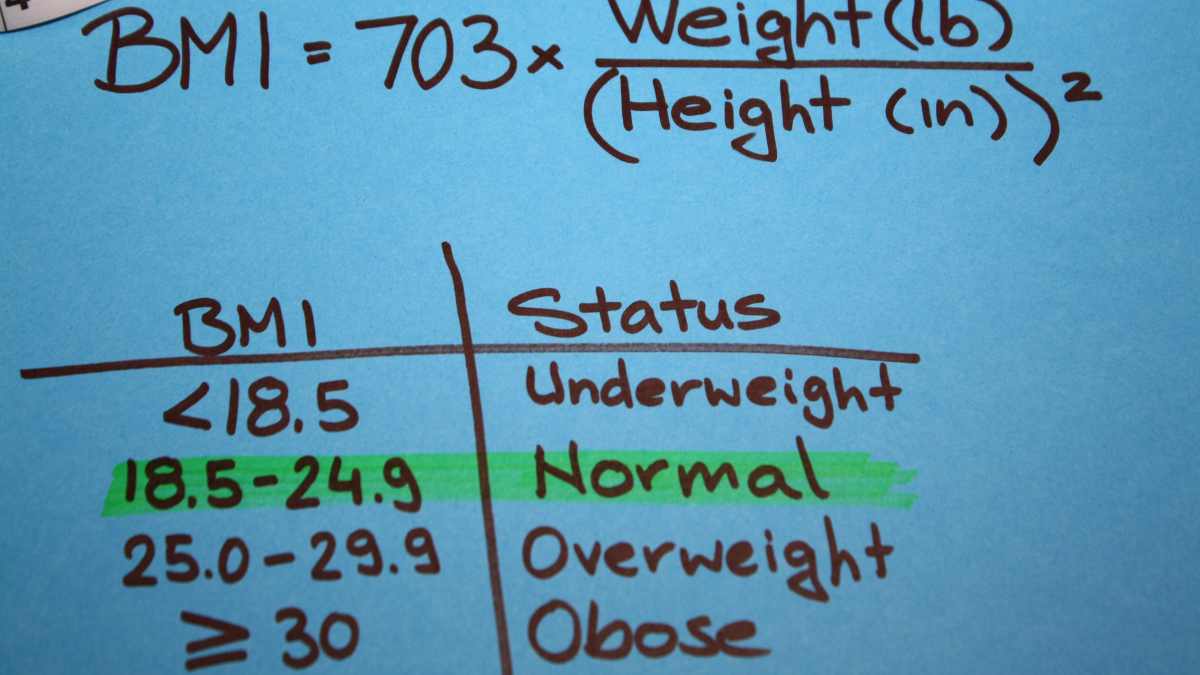
BMI is calculated using the formula: weight (kg) divided by height (m) squared. This straightforward calculation allows for a quick assessment of body weight categories, which can be useful in public health contexts. However, it is essential to recognize that BMI does not differentiate between muscle and fat mass, nor does it account for fat distribution. Consequently, while BMI can serve as a useful screening tool, it may not provide a complete picture of an individual’s health status.
The use of BMI as a health indicator has been widely accepted, yet it has its limitations, especially in older adults. As people age, they may experience changes in body composition, such as increased fat mass and decreased lean muscle mass. These changes can significantly impact an individual’s health, making it crucial to consider additional metrics alongside BMI, such as waist circumference or body fat percentage, for a more nuanced understanding of health risks.
Moreover, the interpretation of BMI can vary across populations and ethnic groups. Different demographics may have varying distributions of body fat and muscle mass, which can affect the relationship between BMI and health outcomes. Therefore, while BMI remains a valuable tool, it is essential to contextualize its use within broader health assessments, particularly in older adults.
In summary, while BMI provides a useful framework for understanding body weight categories, it is vital to approach its application with caution, especially regarding aging populations. A comprehensive understanding of body composition and health requires a multifaceted approach that considers various factors beyond BMI alone.
The Relationship Between Age and Body Composition Changes
As individuals age, their bodies undergo significant physiological changes that can affect body composition. One of the most notable changes is the gradual loss of muscle mass, known as sarcopenia, which typically begins in the third decade of life. This loss of muscle is often accompanied by an increase in fat mass, particularly visceral fat, which can lead to a higher BMI even if overall weight remains stable.
Research indicates that hormonal changes associated with aging, such as decreased levels of testosterone and estrogen, contribute to these shifts in body composition. These hormonal fluctuations can lead to an increase in fat storage and a decrease in muscle synthesis, further complicating the relationship between age and BMI. Consequently, older adults may find themselves categorized as overweight or obese according to BMI standards, despite not experiencing significant weight gain.
Additionally, lifestyle factors such as decreased physical activity and changes in dietary habits can exacerbate age-related body composition changes. Many older adults may become less active due to health issues or mobility limitations, leading to a decline in muscle mass and an increase in fat accumulation. This trend highlights the importance of promoting physical activity and healthy eating habits among older populations to mitigate the adverse effects of aging on body composition.
In conclusion, the relationship between age and body composition is complex, with various factors contributing to changes in BMI as individuals grow older. Understanding these dynamics is crucial for developing effective health interventions aimed at maintaining a healthy body composition throughout the aging process.
Analyzing Trends: BMI Variations Across Different Age Groups
When examining BMI trends across various age groups, it becomes evident that BMI tends to increase with age, particularly in middle-aged and older adults. Studies have shown that the prevalence of obesity is higher in older adults compared to younger populations, with significant implications for public health. This trend is concerning, as higher BMI levels are associated with an increased risk of chronic diseases such as diabetes, cardiovascular disease, and certain cancers.
Data from the World Health Organization (WHO) indicates that the prevalence of obesity among adults aged 60 and older has risen dramatically in recent decades. This increase can be attributed to a combination of factors, including lifestyle changes, dietary patterns, and societal shifts that promote sedentary behavior. As a result, older adults are more likely to experience health complications related to elevated BMI, necessitating targeted interventions to address these issues.
Moreover, the impact of socioeconomic factors on BMI trends cannot be overlooked. Research has shown that individuals from lower socioeconomic backgrounds may experience higher rates of obesity, which can be exacerbated by limited access to healthy foods and opportunities for physical activity. This disparity highlights the need for comprehensive public health strategies that address the social determinants of health and promote healthy lifestyles among older adults.
In summary, analyzing BMI variations across different age groups reveals a concerning trend of increasing BMI among older adults. Understanding the factors contributing to this increase is essential for developing effective interventions aimed at improving health outcomes in aging populations.
Factors Influencing BMI Increases as Individuals Age
Several factors contribute to the increase in BMI as individuals age, including metabolic changes, lifestyle modifications, and environmental influences. One significant factor is the natural decline in basal metabolic rate (BMR) that occurs with aging. As muscle mass decreases and fat mass increases, the body requires fewer calories to maintain its weight. If dietary habits do not adjust accordingly, individuals may experience weight gain, leading to an increase in BMI.
Additionally, hormonal changes play a crucial role in influencing BMI in older adults. The decline in hormones such as growth hormone, testosterone, and estrogen can lead to alterations in body composition, favoring fat accumulation over lean muscle mass. These hormonal shifts can also affect appetite regulation and energy expenditure, further complicating weight management efforts in aging populations.
Psychosocial factors also contribute to BMI increases in older adults. Many individuals may experience changes in mental health, such as depression or anxiety, which can impact their motivation to engage in physical activity or maintain a healthy diet. Social isolation, common among older adults, can also lead to unhealthy eating patterns and decreased physical activity, exacerbating weight gain and increasing BMI.
In conclusion, a multitude of factors influences the increase in BMI as individuals age, including metabolic changes, hormonal shifts, and psychosocial influences. Understanding these factors is essential for developing effective strategies to promote healthy weight management in older adults.
Implications of Aging on Health and BMI Management
The implications of aging on health and BMI management are profound and multifaceted. As individuals age, the risk of developing obesity-related health conditions increases significantly. Higher BMI levels are associated with a greater likelihood of chronic diseases such as type 2 diabetes, hypertension, and cardiovascular disease. These health risks underscore the importance of effective BMI management strategies tailored to older adults.
Effective BMI management in aging populations requires a comprehensive approach that includes dietary modifications, physical activity, and behavioral interventions. Encouraging older adults to engage in regular physical activity can help mitigate muscle loss and promote a healthier body composition. Additionally, nutrition education focused on balanced diets rich in whole foods can support weight management and overall health.
Healthcare providers play a crucial role in addressing BMI management in older adults. Regular screenings and assessments can help identify individuals at risk for obesity-related health issues, allowing for timely interventions. Furthermore, creating supportive environments that promote healthy lifestyles, such as community programs and access to nutritious foods, can significantly impact BMI management in aging populations.
In summary, the implications of aging on health and BMI management are significant, necessitating a multifaceted approach to promote healthy aging. Understanding the complexities of BMI in older adults is essential for developing effective strategies to improve health outcomes and enhance quality of life.
Future Research Directions on BMI and Aging Dynamics
As the population ages, the need for further research on the dynamics of BMI and aging becomes increasingly critical. Future studies should focus on understanding the underlying mechanisms that contribute to changes in body composition and BMI as individuals age. This includes exploring the roles of genetics, metabolism, and hormonal changes in shaping BMI trajectories over time.
Additionally, research should investigate the impact of lifestyle interventions on BMI management in older adults. Longitudinal studies examining the effectiveness of various dietary and physical activity programs can provide valuable insights into best practices for promoting healthy weight management in aging populations. Understanding the barriers to participation in these interventions is also essential for developing targeted strategies that address the unique needs of older adults.
Furthermore, exploring the relationship between BMI and mental health in older adults is an important area for future research. Investigating how psychological factors, such as depression and anxiety, influence BMI and weight management can help inform comprehensive health interventions that address both physical and mental well-being.
In conclusion, future research directions on BMI and aging dynamics should encompass a broad range of factors, including biological, lifestyle, and psychological influences. This holistic approach will be essential for developing effective strategies to promote healthy aging and improve health outcomes for older adults.
Conclusions:
In summary, the relationship between BMI and aging is complex and influenced by numerous factors, including body composition changes, lifestyle modifications, and psychosocial influences. As individuals age, BMI tends to increase, often leading to heightened health risks associated with obesity. Understanding these dynamics is crucial for developing effective interventions aimed at promoting healthy weight management in older populations. Future research will play a vital role in uncovering the intricacies of BMI and aging, ultimately contributing to improved health outcomes for aging individuals.
Read more
-
World Health Organization (WHO) – Obesity and Overweight
This fact sheet provides an overview of obesity and overweight, including statistics and health implications. -
National Institute on Aging – Healthy Eating
This resource offers guidance on healthy eating for older adults, emphasizing the importance of nutrition in managing weight. -
Centers for Disease Control and Prevention (CDC) – Adult Obesity Facts
This page presents data on adult obesity, including prevalence and trends across different age groups. -
American Journal of Clinical Nutrition – Aging and Body Composition
This article discusses the effects of aging on body composition and the implications for nutrition and health. -
National Institutes of Health – Sarcopenia and Aging
This research article explores sarcopenia, its impact on aging, and its relationship with BMI and health outcomes.