

Introduction:
Body Mass Index (BMI) has long been a staple in the evaluation of an individual’s health, primarily serving as a simple calculation derived from weight and height. However, as populations age, the relevance and accuracy of BMI as a health metric come into question. This article delves into the intricacies of BMI across various age groups, examining its significance, limitations, and the evolving understanding of body composition as individuals grow older.
Understanding BMI: A Key Indicator of Health Across Ages
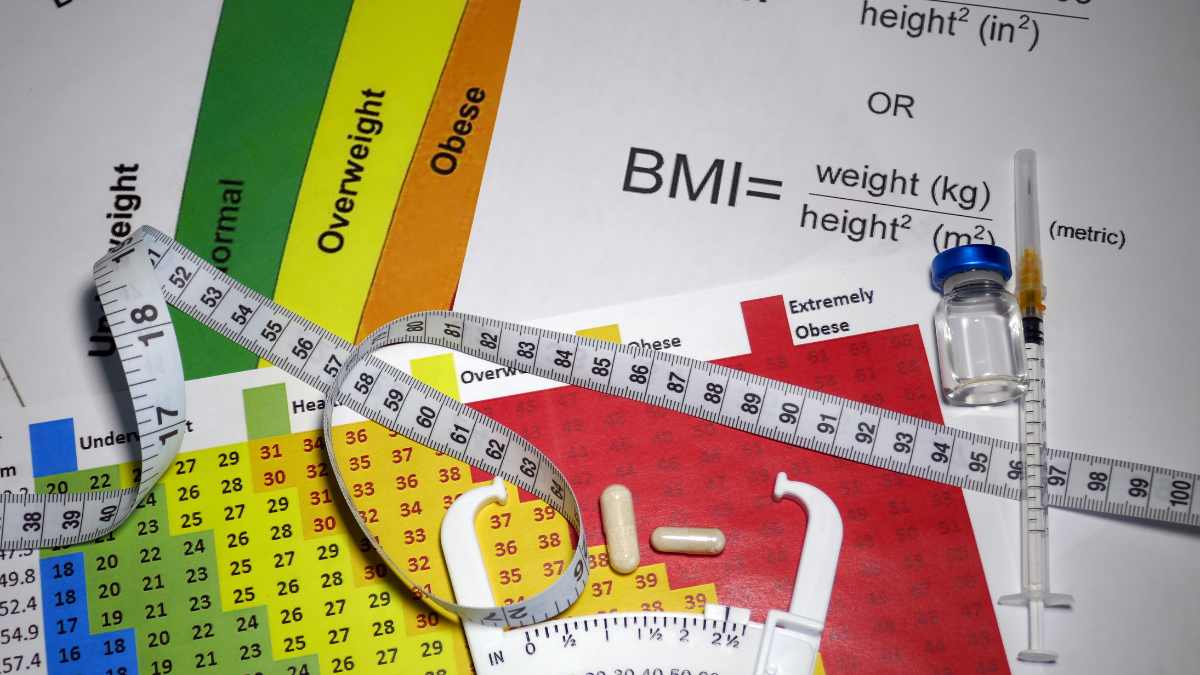
BMI is calculated by dividing a person’s weight in kilograms by the square of their height in meters. This straightforward formula allows for a quick assessment of whether an individual is underweight, normal weight, overweight, or obese. Despite its simplicity, BMI has been widely adopted due to its correlation with health risks, such as cardiovascular diseases, diabetes, and certain cancers. However, it is essential to recognize that BMI does not measure body fat directly, which is a critical component in evaluating health.
The utility of BMI as a health indicator varies across different age groups. In younger populations, BMI can be a reasonably accurate predictor of body fat and associated health risks. Children and adolescents, for instance, often exhibit a consistent relationship between BMI and body fat percentage. However, as individuals transition into middle age and beyond, this relationship may become less reliable due to physiological changes.
Furthermore, the implications of BMI scores can differ significantly based on age. For younger adults, a higher BMI may indicate an increased risk of obesity-related health issues. In contrast, older adults with similar BMI scores may not face the same level of risk, as they may have lower muscle mass and higher fat distribution, which can skew the interpretation of their BMI.
Ultimately, while BMI serves as a valuable screening tool across various ages, it is crucial to consider the broader context of an individual’s health. Understanding the nuances of BMI in relation to age can lead to more informed health assessments and interventions.
The Role of Age in Interpreting BMI Measurements
As individuals age, their bodies undergo significant changes, impacting how BMI is interpreted. For instance, older adults often experience a natural decline in muscle mass and an increase in body fat. This shift can lead to a situation where an older adult may have a BMI that categorizes them as overweight or even obese, despite being relatively healthy and physically active.
Moreover, age-related factors such as hormonal changes, metabolic slowdown, and lifestyle modifications can further complicate the relationship between BMI and health outcomes. For example, post-menopausal women may experience weight gain due to hormonal shifts, which can influence their BMI. Thus, a higher BMI in this demographic may not necessarily correlate with increased health risks as it might in younger populations.
Additionally, the perception of what constitutes a healthy weight can evolve with age. Older adults may prioritize functional health and quality of life over specific BMI thresholds. This shift in focus can lead to a more nuanced understanding of health, emphasizing the importance of maintaining muscle mass and physical activity rather than solely concentrating on weight.
In summary, the age of an individual plays a critical role in interpreting BMI measurements. Recognizing that BMI is not a one-size-fits-all metric allows for a more comprehensive approach to health assessments in aging populations.
Limitations of BMI as a Health Metric in Older Adults
While BMI is a widely used tool, it has notable limitations, particularly when applied to older adults. One significant issue is that BMI does not differentiate between fat mass and lean mass. As individuals age, the loss of muscle mass (sarcopenia) can lead to a misleadingly high BMI, suggesting obesity when the individual may actually have a healthy level of body fat.
Moreover, BMI fails to account for fat distribution, which is a crucial factor in assessing health risks. Visceral fat, which accumulates around the organs, poses a greater health risk than subcutaneous fat. Older adults may have a normal BMI but still possess unhealthy levels of visceral fat, putting them at risk for metabolic disorders.
Another limitation of BMI is its inability to reflect changes in body composition that occur with aging. For instance, older adults may maintain a stable weight while losing muscle and gaining fat. This phenomenon can lead to a scenario where BMI remains unchanged, masking underlying health issues that could be addressed through lifestyle modifications.
In conclusion, while BMI can provide a general overview of health, its limitations in older adults necessitate a more comprehensive assessment approach. Incorporating additional measures of body composition and health status can lead to more accurate evaluations and better health outcomes.
Age-Related Changes in Body Composition and BMI
As individuals age, their body composition undergoes significant transformations that can affect BMI readings. The natural decline in muscle mass, often accompanied by an increase in body fat, alters the relationship between weight and health. This shift can result in older adults having a BMI that categorizes them as overweight or obese, even if their health is relatively stable.
Research has shown that older adults may experience a redistribution of body fat, with an increase in visceral fat, which is more harmful than subcutaneous fat. This change in fat distribution can lead to a higher risk of chronic diseases, even in those with a normal BMI. Therefore, relying solely on BMI can obscure the true health risks faced by older adults.
Additionally, the aging process can affect metabolism and energy expenditure, further complicating the interpretation of BMI. Older adults may require fewer calories due to a slower metabolism, which can lead to weight gain if dietary habits do not adjust accordingly. This can result in a higher BMI, even if the individual is physically active.
Ultimately, understanding the age-related changes in body composition is essential for accurately interpreting BMI in older adults. Recognizing that BMI alone may not provide a complete picture of health can lead to more effective interventions and health strategies tailored to the needs of aging populations.
Evaluating BMI in Context: Factors Beyond Age
While age is a critical factor in evaluating BMI, it is essential to consider other variables that can influence health outcomes. Factors such as genetics, lifestyle, and socio-economic status play a significant role in determining an individual’s health. For instance, genetic predispositions can affect body composition and fat distribution, making BMI less relevant for certain individuals.
Lifestyle factors, including diet and physical activity levels, also significantly impact health. An older adult who maintains an active lifestyle and a balanced diet may have a higher BMI but still be in excellent health. Conversely, a sedentary individual with a normal BMI may face significant health risks due to poor lifestyle choices.
Moreover, socio-economic status can influence access to healthcare, nutrition, and opportunities for physical activity. Older adults from lower socio-economic backgrounds may struggle with obesity-related health issues, regardless of their BMI. Therefore, evaluating BMI in context requires a holistic approach that considers these additional factors.
In conclusion, while age is an important consideration in interpreting BMI, it is vital to adopt a broader perspective that incorporates various influences on health. This comprehensive approach can lead to more effective health assessments and interventions tailored to individual needs.
Future Directions for BMI Research in Aging Populations
As the population ages, there is a growing need for research that addresses the limitations of BMI in older adults. Future studies should focus on developing more accurate measures of body composition that can complement BMI. Techniques such as dual-energy X-ray absorptiometry (DXA) and bioelectrical impedance analysis (BIA) can provide valuable insights into fat and muscle distribution, offering a more nuanced understanding of health.
Additionally, research should explore the relationship between BMI and health outcomes in diverse populations. Understanding how cultural, ethnic, and socio-economic factors influence BMI and health can lead to more tailored interventions. This research is crucial for developing effective public health strategies that address the unique needs of aging populations.
Moreover, longitudinal studies that track changes in body composition and health outcomes over time can provide valuable insights into the aging process. Such research can help identify critical periods for intervention and inform guidelines for maintaining health in older adults.
In summary, the future of BMI research in aging populations should focus on refining measurement techniques, exploring diverse influences on health, and conducting longitudinal studies. These efforts can enhance our understanding of BMI’s role in health and lead to more effective strategies for promoting well-being in older adults.
Conclusions:
In conclusion, while BMI remains a widely used health metric, its relevance and accuracy in older adults are increasingly questioned. Age plays a significant role in interpreting BMI measurements, highlighting the need for a more nuanced understanding of body composition and health. Recognizing the limitations of BMI, particularly in older populations, is essential for developing effective health assessments and interventions. As research continues to evolve, it is crucial to adopt a holistic approach that considers various factors influencing health, ultimately leading to improved outcomes for aging individuals.
Read more
- Centers for Disease Control and Prevention (CDC) – About BMI – An overview of BMI, its calculation, and its implications for health.
- National Institute on Aging – Healthy Weight – Information on maintaining a healthy weight as you age, including BMI considerations.
- World Health Organization (WHO) – BMI Classification – A detailed explanation of BMI classifications and their health implications.
- American Journal of Clinical Nutrition – Body Composition and Aging – A research article discussing the changes in body composition with aging and their impact on health.
- Journal of Gerontology – BMI and Health Outcomes in Older Adults – A study examining the relationship between BMI and health outcomes in older adults, emphasizing the need for a comprehensive approach.