

Se hai un abbonamento attivo ACCEDI QUI
Introduction:
Calculating your Body Mass Index (BMI) is a crucial step in understanding your overall health and wellness. For females, BMI can provide insights into body composition and potential health risks associated with being underweight, overweight, or obese. This article will guide you through the process of calculating your BMI, interpreting the results, and understanding the limitations of this measurement, while also offering recommendations for maintaining a healthy BMI range.
Understanding Body Mass Index (BMI) and Its Importance
Body Mass Index (BMI) is a numerical value derived from an individual’s weight and height. It is calculated by dividing a person’s weight in kilograms by the square of their height in meters. BMI serves as a useful screening tool to categorize individuals into different weight categories, including underweight, normal weight, overweight, and obesity. This categorization can help identify potential health risks associated with various weight levels.
For females, understanding BMI is particularly important due to the unique physiological changes that occur throughout life, such as puberty, pregnancy, and menopause. These changes can affect body composition and fat distribution, making it essential to monitor BMI as a part of overall health assessments. A healthy BMI can indicate a lower risk of developing chronic diseases such as diabetes, heart disease, and certain cancers.
While BMI is a widely used metric, it is essential to recognize that it does not directly measure body fat. Instead, it serves as an indirect indicator of body composition. Consequently, it is important to consider other factors such as muscle mass, bone density, and fat distribution when evaluating health. Nevertheless, BMI remains a valuable tool for public health initiatives and individual assessments.
In summary, BMI is a simple yet effective method for assessing weight status and potential health risks. Understanding your BMI can empower you to make informed decisions about your health and lifestyle choices.
Required Measurements for Accurate BMI Calculation
To calculate your BMI accurately, you will need two key measurements: your weight and height. It is essential to measure these parameters correctly to ensure that the BMI calculation reflects your true health status. For weight, it is recommended to use a reliable scale and to weigh yourself at the same time each day, preferably in the morning after using the restroom and before eating or drinking.
When measuring height, it is important to stand straight against a wall without shoes, ensuring that your heels, buttocks, and head are touching the wall. Use a flat object, such as a book, to mark the highest point of your head on the wall, and then measure the distance from the floor to the mark. This will give you an accurate height measurement in centimeters or inches, which is necessary for the BMI calculation.
For those who may struggle with measuring their height or weight accurately, consider seeking assistance from a healthcare professional. They can provide guidance and ensure that you have the correct measurements for an accurate BMI calculation. Additionally, using a digital scale and a stadiometer can help improve measurement accuracy.
Lastly, it is important to note that BMI calculations can be performed using either metric or imperial units. If you are using imperial units, you will need to convert your weight from pounds to kilograms and your height from inches to meters to obtain an accurate BMI.
Step-by-Step Guide to Calculating Your BMI
Calculating your BMI is a straightforward process that can be done in just a few steps. First, gather your weight in kilograms and height in meters. If you have your weight in pounds, you can convert it to kilograms by dividing by 2.2046. For height in inches, convert it to meters by multiplying by 0.0254.
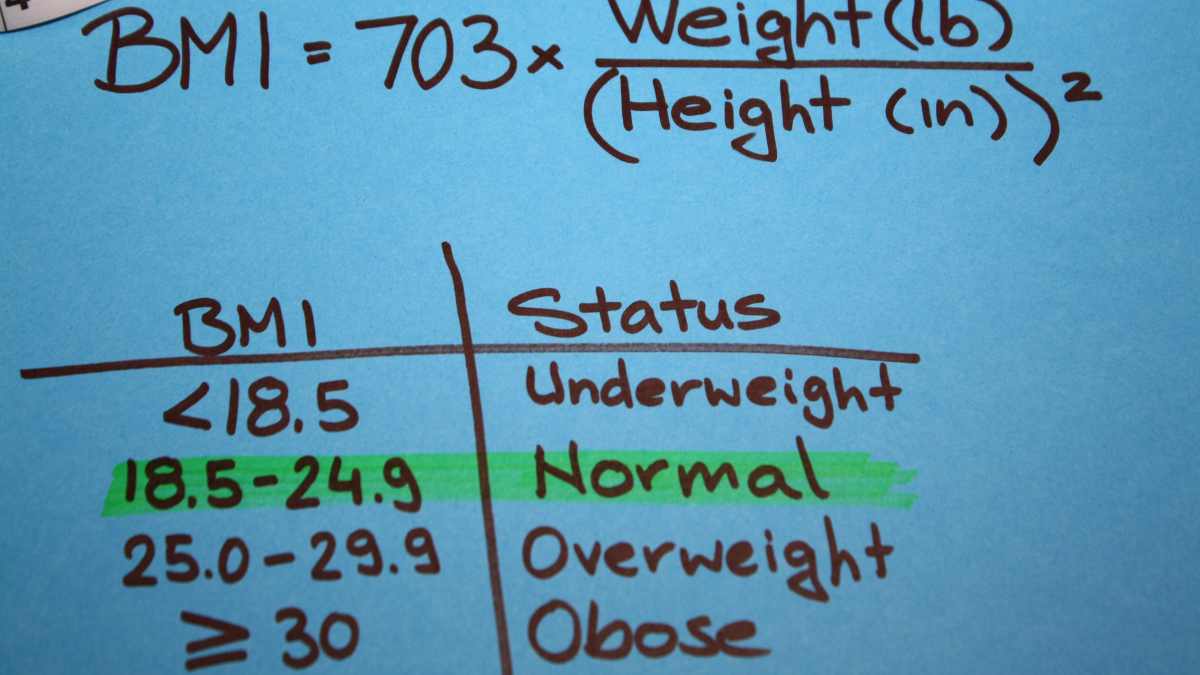
Once you have your measurements in the correct units, you can proceed with the calculation. The formula for BMI is as follows:
BMI = weight (kg) / (height (m) x height (m))
For example, if you weigh 65 kilograms and are 1.65 meters tall, the calculation would be:
BMI = 65 / (1.65 x 1.65) = 23.88
After calculating your BMI, you can round the result to one decimal place for simplicity. This final value will allow you to categorize your weight status based on established BMI ranges. It is important to remember that while this calculation is simple, it should be part of a broader assessment of your health.
To ensure accuracy, double-check your measurements and calculations. If you prefer, you can also use online BMI calculators available on various health websites. These tools can automatically compute your BMI based on the information you provide, making the process even easier.
Interpreting Your BMI Results: What They Mean
Once you have calculated your BMI, the next step is to interpret the results. BMI categories are defined as follows:
- Underweight: BMI less than 18.5
- Normal weight: BMI 18.5 to 24.9
- Overweight: BMI 25 to 29.9
- Obesity: BMI 30 or greater
Understanding where you fall within these categories can help you assess your health status. A BMI in the normal weight range suggests a lower risk of developing weight-related health issues, while being classified as overweight or obese may indicate a need for lifestyle changes to reduce health risks.
However, it is crucial to consider that BMI is not the sole indicator of health. Factors such as age, muscle mass, and distribution of fat can significantly influence health outcomes. For instance, a muscular individual may have a higher BMI due to increased muscle mass rather than excess body fat. Therefore, it is essential to consult with a healthcare professional for a comprehensive health assessment.
In addition to BMI, other measurements such as waist circumference and body fat percentage can provide further insights into your health. These additional metrics can help paint a more complete picture of your body composition and overall health status.
Limitations of BMI in Assessing Female Health
While BMI is a widely used tool, it has several limitations when it comes to assessing female health. One significant limitation is that BMI does not differentiate between muscle and fat mass. As a result, women with higher muscle mass may be classified as overweight or obese, despite having a healthy body composition.
Another limitation is that BMI does not account for factors such as age, ethnicity, and hormonal changes, which can influence body fat distribution. For example, women may experience changes in body composition during pregnancy, menopause, and other life stages, which BMI alone cannot adequately capture. This lack of nuance can lead to misinterpretations of health status.
Additionally, BMI may not accurately reflect the health of women with varying body shapes. For instance, women with a pear-shaped body may have a higher percentage of body fat in the hips and thighs, while those with an apple-shaped body may store more fat around the abdomen. These differences can have varying implications for health, which BMI does not address.
Given these limitations, it is essential to use BMI as one component of a broader health assessment. Consulting with healthcare professionals can provide a more comprehensive understanding of your health and help identify any potential risks that BMI alone may overlook.
Recommendations for Maintaining a Healthy BMI Range
To maintain a healthy BMI range, it is important to adopt a balanced lifestyle that includes proper nutrition and regular physical activity. Focus on consuming a diet rich in whole foods, such as fruits, vegetables, whole grains, lean proteins, and healthy fats. Avoid excessive consumption of processed foods, sugary beverages, and high-calorie snacks, as these can contribute to weight gain.
Incorporating regular exercise into your routine is also crucial for maintaining a healthy BMI. Aim for at least 150 minutes of moderate-intensity aerobic activity each week, along with strength training exercises on two or more days. Activities such as walking, jogging, swimming, and cycling can help you burn calories and build muscle, promoting overall health.
Additionally, staying hydrated is essential for maintaining a healthy weight. Drinking plenty of water throughout the day can help control hunger and prevent overeating. It is also important to listen to your body’s hunger cues and practice mindful eating, which can help you develop a healthier relationship with food.
Finally, consider seeking support from healthcare professionals, such as registered dietitians or personal trainers, who can provide personalized guidance and recommendations tailored to your individual needs and goals. They can help you create a sustainable plan for maintaining a healthy BMI and overall well-being.
Conclusions:
Calculating your BMI is an important step in understanding your health status as a female. While it provides valuable insights into weight categories and potential health risks, it is essential to recognize its limitations and consider other factors that contribute to overall health. By adopting a balanced lifestyle, including proper nutrition and regular physical activity, you can work towards maintaining a healthy BMI and reducing the risk of weight-related health issues.
Read more
- World Health Organization (WHO) – BMI Classification – This resource provides comprehensive information on BMI classifications and their implications for health.
- Centers for Disease Control and Prevention (CDC) – About Adult BMI – The CDC offers a detailed overview of how to calculate and interpret BMI for adults.
- Mayo Clinic – BMI: What It Is and How to Calculate It – This article from Mayo Clinic explains BMI calculations and provides insights into its significance.
- National Heart, Lung, and Blood Institute (NHLBI) – Assessing Your Weight and Health – The NHLBI discusses the importance of BMI and offers tools for calculating it.
- American Heart Association – Understanding Body Mass Index – This resource explains BMI and its relevance to heart health, providing additional context for women.