

Se hai un abbonamento attivo ACCEDI QUI
Introduction:
Body Mass Index (BMI) is a widely used measure that helps assess whether an individual has a healthy body weight for a given height. It is calculated by dividing a person’s weight in kilograms by the square of their height in meters. A BMI of 30 is a significant threshold, as it categorizes an individual as obese. Understanding what this means in terms of weight, the implications for health, and the strategies for managing weight is crucial for those who find themselves in this category.
Understanding Body Mass Index (BMI) and Its Significance
BMI is a simple calculation that provides a useful screening tool for identifying potential weight-related health issues. It is not a direct measure of body fat, but it correlates well with more direct measures of body fatness. The significance of BMI lies in its ability to categorize individuals into different weight classes, which can help in identifying those at risk for various health conditions. Understanding BMI is essential for public health initiatives and personal health management.
The formula for calculating BMI is straightforward: BMI = weight (kg) / (height (m))². This calculation allows for a quick assessment of whether an individual is underweight, normal weight, overweight, or obese. While BMI is a useful tool, it is important to note that it does not account for muscle mass, bone density, and fat distribution, which can vary significantly among individuals. Thus, while BMI is a helpful guideline, it should be interpreted with caution.
The significance of BMI extends beyond individual health; it has implications for healthcare systems and public health policies. High rates of obesity, as indicated by BMI, can lead to increased healthcare costs and a higher prevalence of chronic diseases. This makes understanding and addressing BMI levels a priority for health organizations globally. Moreover, BMI can also serve as a baseline for tracking changes in weight over time, helping individuals and healthcare providers to monitor progress.
In summary, BMI is a valuable tool for assessing weight categories and potential health risks. However, it is essential to consider it alongside other health indicators for a comprehensive understanding of an individual’s health status. Awareness of BMI’s limitations is equally important for making informed health decisions.
Calculating Weight Based on a BMI of 30
To determine how much one weighs at a BMI of 30, we can rearrange the BMI formula. If we let weight be W (in kilograms) and height be H (in meters), the formula becomes W = 30 × (H)². This means that the weight corresponding to a BMI of 30 varies depending on the individual’s height. For example, a person who is 1.75 meters tall would weigh approximately 98.8 kg (30 × (1.75)²) to have a BMI of 30. This calculation highlights the importance of height in determining weight categories.
Using the BMI formula, we can create a table to illustrate how weight changes with height for a BMI of 30. For instance, a person who is 1.60 meters tall would need to weigh about 76.8 kg, while someone who is 1.85 meters tall would weigh around 110.4 kg to achieve the same BMI. This reinforces the idea that BMI is a height-dependent measure.
It is essential to recognize that while BMI provides a numerical value, it does not convey the full picture of an individual’s health. Two people with the same BMI may have different body compositions and health profiles. Thus, while calculating weight based on BMI is straightforward, interpreting the results requires a broader context.
In conclusion, understanding how to calculate weight based on a BMI of 30 is crucial for individuals looking to assess their weight status. This calculation is a vital first step in recognizing potential health risks associated with obesity and can guide individuals toward healthier lifestyle choices.
BMI Categories: Defining Overweight and Obesity Levels
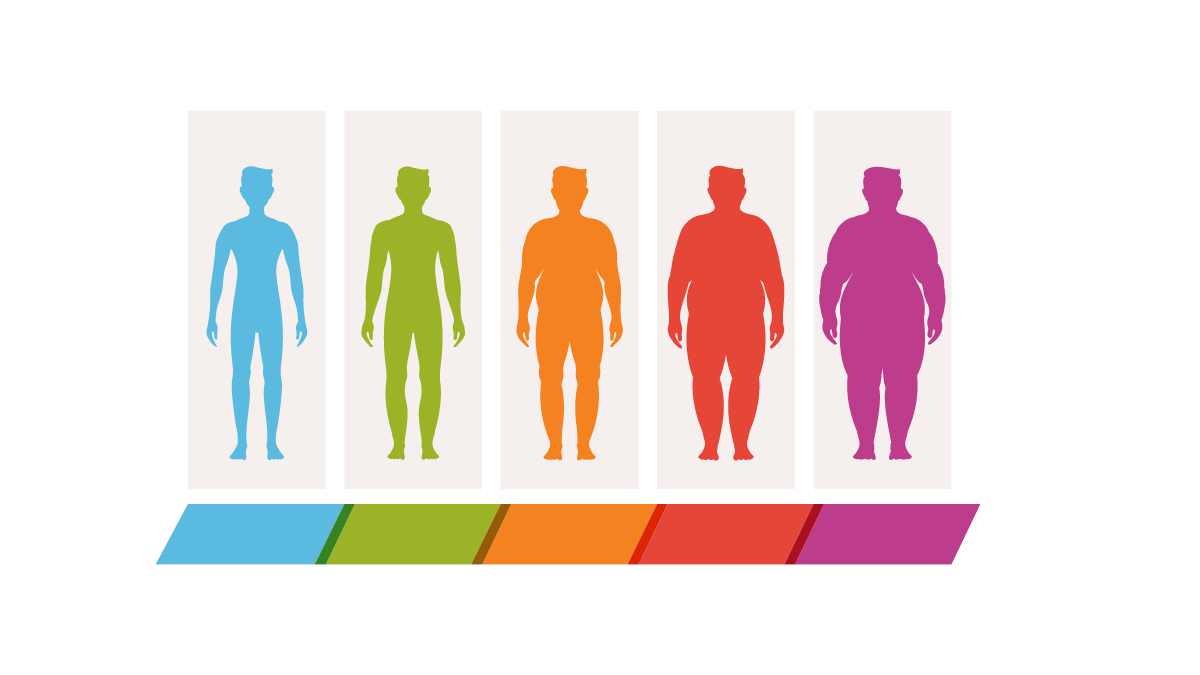
BMI categorizes individuals into various weight classes: underweight (BMI < 18.5), normal weight (BMI 18.5–24.9), overweight (BMI 25–29.9), and obesity (BMI ≥ 30). These categories are essential for public health messaging and individual health assessments. The transition from normal weight to overweight and then to obesity is associated with increasing health risks, including cardiovascular diseases, diabetes, and certain cancers.
Obesity itself is further divided into three classes: Class 1 (BMI 30–34.9), Class 2 (BMI 35–39.9), and Class 3 (BMI ≥ 40). Each class carries different levels of health risks, with Class 3 obesity being particularly concerning due to its association with severe health complications. Understanding these categories can help individuals and healthcare providers make informed decisions regarding weight management.
The classification system is not without its criticisms. Critics argue that BMI does not account for factors such as age, sex, muscle mass, and fat distribution. For instance, athletes may have a high BMI due to increased muscle mass, which can misrepresent their health status. Therefore, while BMI categories are useful, they should not be the sole determinant of an individual's health.
In summary, BMI categories provide a framework for understanding weight-related health risks. However, it is essential to consider other factors in conjunction with BMI to gain a comprehensive view of an individual's health status.
Factors Influencing Weight at a BMI of 30
Several factors can influence an individual's weight at a BMI of 30, including genetics, metabolism, lifestyle choices, and environmental factors. Genetics plays a significant role in determining body weight and fat distribution. Certain genetic predispositions can make individuals more susceptible to gaining weight or developing obesity, regardless of their lifestyle choices.
Metabolism is another critical factor that affects weight. Individuals with a faster metabolic rate may burn calories more efficiently, making it easier for them to maintain a healthy weight. Conversely, those with slower metabolisms may find it more challenging to manage their weight, even with similar dietary and exercise habits. Understanding one's metabolic rate can provide insights into weight management strategies.
Lifestyle choices, including diet and physical activity, are also significant contributors to weight. A diet high in processed foods and sugars, combined with a sedentary lifestyle, can lead to weight gain and an increased BMI. Conversely, a balanced diet and regular exercise can help individuals maintain a healthier weight. Environmental factors, such as access to healthy foods and safe spaces for physical activity, can further influence weight management.
In conclusion, multiple factors contribute to an individual's weight at a BMI of 30. Recognizing these influences can help individuals develop effective strategies for weight management and overall health improvement.
Health Implications of a BMI of 30
A BMI of 30 is associated with several health risks, including an increased likelihood of developing chronic conditions such as type 2 diabetes, hypertension, and cardiovascular diseases. Obesity is a significant risk factor for these conditions, leading to increased morbidity and mortality. The relationship between obesity and health complications is well-documented, making it essential for individuals with a BMI of 30 to be aware of their health status.
In addition to physical health risks, a high BMI can also have psychological implications. Individuals with obesity may experience stigma and discrimination, leading to low self-esteem and mental health issues such as depression and anxiety. Addressing the psychological aspects of obesity is crucial for comprehensive health management.
Furthermore, obesity can impact quality of life, limiting mobility and leading to decreased physical activity. This can create a vicious cycle, where reduced activity contributes to further weight gain, exacerbating health issues. Understanding the multifaceted implications of a BMI of 30 is essential for effective intervention.
In summary, a BMI of 30 carries significant health implications that extend beyond physical health. Recognizing these risks can motivate individuals to seek appropriate interventions and support for weight management.
Strategies for Managing Weight and BMI Effectively
Managing weight and achieving a healthy BMI requires a multifaceted approach that includes dietary changes, physical activity, and behavioral modifications. A balanced diet rich in whole foods, fruits, vegetables, lean proteins, and whole grains is essential for weight management. Reducing the intake of processed foods, sugary beverages, and high-calorie snacks can significantly impact overall health.
Incorporating regular physical activity into daily routines is equally important. The World Health Organization recommends at least 150 minutes of moderate-intensity aerobic activity per week for adults. Engaging in regular exercise not only helps burn calories but also improves overall physical and mental well-being. Finding enjoyable activities can enhance adherence to an exercise regimen.
Behavioral modifications, such as setting realistic goals, tracking food intake, and seeking social support, can also play a crucial role in weight management. Cognitive-behavioral strategies can help individuals develop healthier habits and overcome barriers to weight loss. Consulting with healthcare professionals, such as dietitians and psychologists, can provide personalized guidance and support.
In conclusion, effective weight management requires a holistic approach that encompasses dietary changes, physical activity, and behavioral strategies. By adopting these practices, individuals can work towards achieving a healthier BMI and improving their overall health.
Conclusions:
Understanding the implications of a BMI of 30 is crucial for individuals seeking to manage their weight and health. By recognizing the factors influencing weight, the health risks associated with obesity, and effective strategies for weight management, individuals can take proactive steps towards achieving a healthier lifestyle.
Read more:
- World Health Organization – BMI Classification – A comprehensive overview of obesity and its classification.
- Centers for Disease Control and Prevention – About Adult BMI – A resource for calculating BMI and understanding its implications.
- National Institutes of Health – Overweight and Obesity – Information on the health effects of obesity and strategies for weight management.
- Mayo Clinic – Obesity: Causes and Risk Factors – An article detailing the causes and health risks associated with obesity.
- Harvard Health Publishing – The Science of Obesity – A detailed examination of the biological and environmental factors contributing to obesity.