

Introduction:
Determining the appropriate weight for a 5’2" female involves a nuanced understanding of various factors that influence health and well-being. While societal standards often dictate what is considered "ideal," it is crucial to approach this topic with a focus on individual health rather than mere numbers on a scale. In this article, we will explore the ideal weight range, the factors influencing weight, the implications of being underweight or overweight, and effective strategies for maintaining a healthy weight.
Understanding Ideal Weight for a 5’2" Female: An Overview
The concept of ideal weight is not universally defined, as it can vary based on several factors, including body composition, muscle mass, and overall health. For a woman standing at 5’2", a commonly referenced weight range is between 104 to 135 pounds. This range is derived from various health guidelines, including those from the National Institutes of Health (NIH), which suggest that weight should be assessed in conjunction with other health metrics.
It is essential to understand that this range is not a one-size-fits-all solution. Individual variations such as bone density, muscle mass, and fat distribution play a significant role in determining what is healthy for each person. Therefore, while the numbers provide a guideline, they should not be the sole determinant of health.
Moreover, the perception of ideal weight can be influenced by cultural and societal norms. In many cultures, a slender physique is often equated with beauty, which can lead to unrealistic expectations and unhealthy behaviors. It is vital to promote a more holistic view of health that emphasizes well-being over appearance.
Ultimately, the ideal weight for a 5’2" female should be assessed in conjunction with other factors, such as physical fitness, nutrition, and mental health. A comprehensive approach will yield a more accurate picture of what is healthy for the individual.
Factors Influencing Weight: Genetics, Age, and Lifestyle
Weight is influenced by a complex interplay of factors, including genetics, age, and lifestyle choices. Genetic predispositions can affect metabolism, body composition, and fat distribution, making it essential to consider family history when evaluating weight. For instance, some individuals may naturally carry more muscle mass, which can lead to a higher weight without necessarily indicating poor health.
Age is another critical factor, as metabolic rates tend to decline with age. For many women, hormonal changes during menopause can lead to weight gain, particularly around the abdomen. This shift underscores the importance of adapting lifestyle choices to accommodate these natural changes in the body.
Lifestyle factors, including diet and physical activity, play a pivotal role in weight management. A balanced diet rich in whole foods, combined with regular physical activity, can help maintain a healthy weight. Conversely, a sedentary lifestyle and poor dietary choices can lead to weight gain and associated health risks.
Mental health is also an often-overlooked factor in weight management. Stress, anxiety, and depression can lead to emotional eating or a lack of motivation to engage in healthy behaviors. Addressing mental health is crucial for achieving and maintaining a healthy weight.
Body Mass Index (BMI) Calculations for Height and Weight
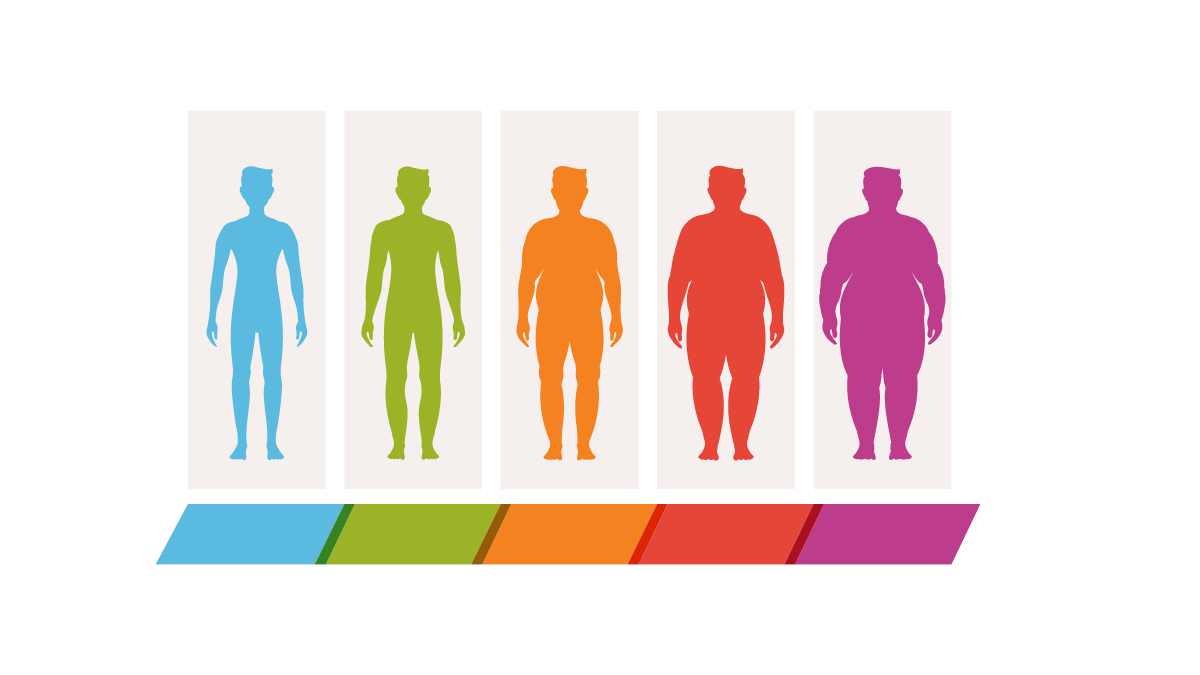
One of the most commonly used tools to assess weight in relation to height is the Body Mass Index (BMI). BMI is calculated by dividing a person’s weight in kilograms by the square of their height in meters. For a 5’2" female, a BMI between 18.5 and 24.9 is generally considered normal. A BMI below 18.5 is classified as underweight, while a BMI above 24.9 is categorized as overweight or obese.
While BMI is a useful screening tool, it has its limitations. It does not differentiate between muscle and fat, meaning that a muscular individual may be classified as overweight despite being healthy. Therefore, it is essential to use BMI in conjunction with other assessments, such as waist circumference and body composition analysis, to gain a more comprehensive understanding of health.
Healthcare professionals often use BMI as a starting point for discussions about weight and health. However, it is important to approach BMI with caution and consider it as one of many metrics that contribute to overall well-being.
In summary, while BMI can provide valuable insights, it should not be the sole determinant of health. A more nuanced approach that considers body composition, lifestyle, and individual health conditions will yield a more accurate assessment of what is healthy for a 5’2" female.
Health Implications of Being Underweight or Overweight
Being underweight can pose significant health risks, including weakened immune function, nutrient deficiencies, and decreased bone density. For a 5’2" female, being underweight may lead to issues such as osteoporosis and increased susceptibility to infections. Additionally, underweight individuals may experience fatigue, hormonal imbalances, and reproductive health issues.
On the other hand, being overweight or obese is associated with a range of serious health conditions, including heart disease, diabetes, and certain types of cancer. Excess weight can also lead to joint problems, sleep apnea, and mental health issues such as depression and anxiety. For a 5’2" female, maintaining a healthy weight is crucial for reducing the risk of these conditions and promoting overall well-being.
It is essential to recognize that weight is not the only indicator of health. Many individuals may fall within the overweight category yet maintain a healthy lifestyle, while others may be classified as normal weight but have poor dietary habits and physical fitness levels. Therefore, a holistic approach to health that includes regular medical check-ups, a balanced diet, and physical activity is vital.
In conclusion, both underweight and overweight conditions carry health implications that should not be overlooked. A focus on achieving and maintaining a healthy weight, along with a balanced lifestyle, is essential for long-term health and well-being.
Recommended Weight Range for a 5’2" Female: A Guide
As previously mentioned, the recommended weight range for a 5’2" female typically falls between 104 to 135 pounds. This range is based on BMI calculations and general health guidelines. However, it is crucial to approach these numbers with flexibility, as individual health and body composition vary significantly.
For those who fall outside this range, it is essential to consult with a healthcare professional to assess individual health status and develop a personalized plan. Factors such as muscle mass, activity level, and overall health should be considered when determining the most appropriate weight for each individual.
Moreover, it is essential to recognize that weight is not the only measure of health. Other factors, such as cardiovascular fitness, strength, and mental well-being, are equally important. A comprehensive approach to health that includes regular exercise, balanced nutrition, and mental health care will yield the best results.
Ultimately, the goal should be to achieve a weight that supports overall health and well-being rather than striving for a specific number on the scale. A focus on healthy habits, rather than weight alone, will lead to sustainable health outcomes.
Strategies for Achieving and Maintaining Healthy Weight
Achieving and maintaining a healthy weight involves a multifaceted approach that includes nutrition, physical activity, and lifestyle changes. A balanced diet rich in whole foods, including fruits, vegetables, lean proteins, and whole grains, is essential for providing the nutrients necessary for overall health. It is also important to limit processed foods, added sugars, and unhealthy fats.
Incorporating regular physical activity into daily routines is equally crucial. Aim for at least 150 minutes of moderate-intensity aerobic exercise each week, along with strength training exercises on two or more days. This combination not only helps in weight management but also promotes cardiovascular health, muscle strength, and mental well-being.
Mindfulness and stress management techniques can also play a significant role in maintaining a healthy weight. Practices such as yoga, meditation, and deep-breathing exercises can help reduce stress levels, which may otherwise lead to emotional eating or a lack of motivation to engage in healthy behaviors.
Finally, setting realistic goals and tracking progress can provide motivation and accountability. Whether through journaling, using apps, or working with a healthcare professional, monitoring dietary habits and physical activity can help individuals stay on track toward achieving and maintaining a healthy weight.
Conclusions:
In conclusion, determining the appropriate weight for a 5’2" female involves a comprehensive understanding of various factors, including genetics, age, lifestyle, and health implications. While general guidelines provide a framework, individual health and well-being should be the primary focus. By adopting a holistic approach that encompasses nutrition, physical activity, and mental health, individuals can achieve and maintain a healthy weight that supports their overall health.
Read more
- National Institutes of Health – Healthy Weight – A comprehensive guide on maintaining a healthy weight, including tips on diet and exercise.
- Centers for Disease Control and Prevention – About Adult BMI – An overview of BMI and its significance in assessing weight-related health risks.
- World Health Organization – Obesity and Overweight – Information on the global impact of obesity and its health implications.
- Mayo Clinic – Healthy Weight Loss – Strategies and tips for achieving and maintaining a healthy weight.
- Harvard Health Publishing – The Truth About BMI – An analysis of the limitations and usefulness of BMI as a health metric.