

Introduction:
Determining the ideal weight for a female who stands 5’7" involves a complex interplay of factors, including body composition, health status, and lifestyle. While many individuals may refer to generalized charts or formulas, it is essential to recognize that weight alone does not provide a complete picture of health. This article aims to explore the various aspects that contribute to understanding what a healthy weight might be for a woman of this height, including the use of Body Mass Index (BMI), the impact of lifestyle choices, and the health implications of being underweight or overweight.
Introduction to Ideal Weight for a 5’7" Female
The concept of an "ideal weight" often varies based on cultural, social, and personal preferences. For a woman who is 5’7", many health professionals refer to established BMI categories to provide a baseline for what is considered a healthy weight range. The BMI is a simple calculation that uses height and weight to categorize individuals into underweight, normal weight, overweight, and obese categories.
However, it is crucial to understand that BMI is not a definitive measure of health. It does not account for muscle mass, bone density, or fat distribution, all of which can significantly influence an individual’s overall health. For instance, a woman with a high muscle mass may weigh more than what BMI suggests is healthy, yet she may be in excellent physical condition. Therefore, while BMI can serve as a guideline, it should not be the sole determinant of a healthy weight.
Moreover, societal standards of beauty and health can impact perceptions of ideal weight. Media portrayals often skew public perceptions, leading to unrealistic expectations. It is essential to cultivate a personal understanding of health that prioritizes well-being over conforming to external standards. This understanding should include a focus on physical fitness, mental health, and overall lifestyle rather than just a number on a scale.
In conclusion, while there are general guidelines for what constitutes a healthy weight for a 5’7" female, it is essential to approach this topic holistically. Recognizing the limitations of BMI and societal pressures can lead to a more balanced perspective on health and wellness.
Understanding Body Mass Index (BMI) Calculations
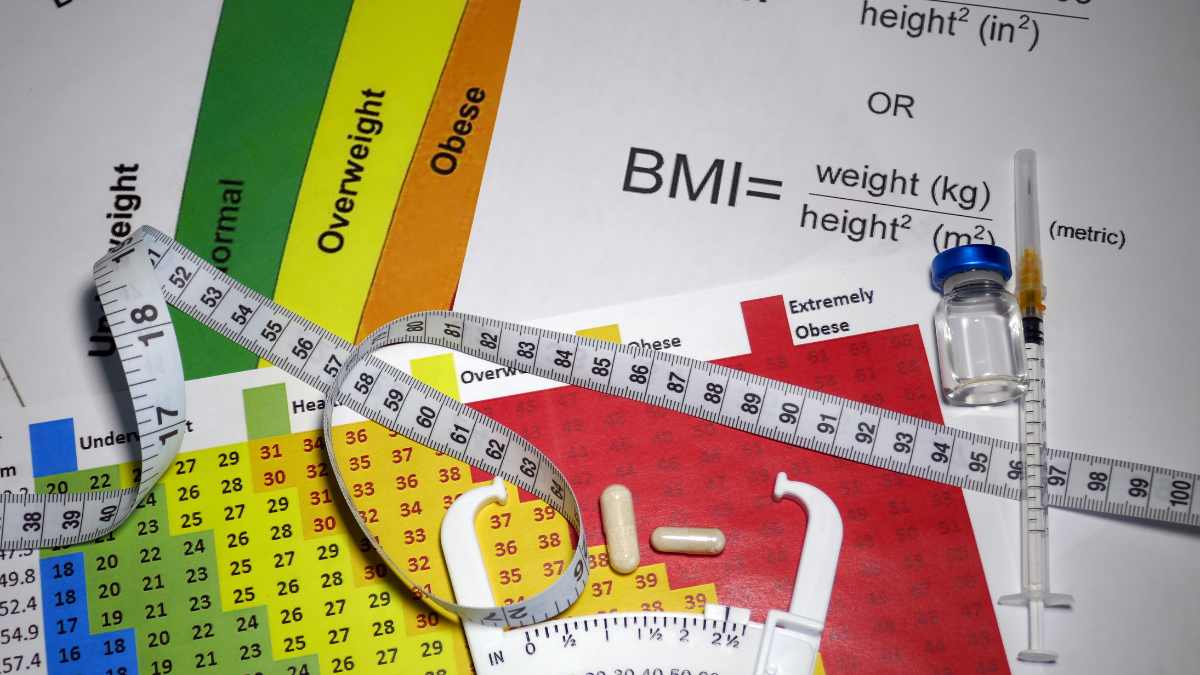
Body Mass Index (BMI) is calculated by dividing an individual’s weight in kilograms by the square of their height in meters. For a 5’7" female, this translates to a height of approximately 1.70 meters. The resulting number categorizes individuals into different weight classes: underweight (BMI less than 18.5), normal weight (BMI 18.5-24.9), overweight (BMI 25-29.9), and obese (BMI 30 or greater).
While BMI is a widely used tool, it has its limitations. For example, it does not differentiate between fat and muscle. Therefore, athletes or those with a muscular build may fall into the overweight or obese categories despite having low body fat percentages. Additionally, BMI does not account for age, sex, or ethnicity, which can all influence body composition and health risks.
Despite its shortcomings, BMI remains a useful screening tool for assessing weight-related health risks in the general population. It can help identify individuals who may benefit from further evaluation and intervention. Health professionals often use BMI in conjunction with other assessments, such as waist circumference and body fat percentage, to provide a more comprehensive view of an individual’s health.
Ultimately, while BMI can provide a general guideline for weight, it should be interpreted cautiously. Individuals should consider other factors, such as lifestyle, dietary habits, and physical activity levels, when evaluating their overall health.
Factors Influencing Weight for Women of This Height
Several factors can influence the weight of a woman who is 5’7", including genetics, age, and lifestyle choices. Genetics play a significant role in determining body composition, metabolism, and fat distribution. Some individuals may naturally have a higher or lower body weight due to hereditary factors, making it essential to recognize that weight is not solely a reflection of health behaviors.
Age is another critical factor that influences weight. As women age, hormonal changes can affect metabolism and body composition. For instance, women may experience a decrease in muscle mass and an increase in body fat as they enter menopause, which can lead to changes in weight. Understanding these age-related changes can help women make informed decisions about their health and weight management.
Lifestyle choices, including diet and physical activity, are also vital in determining weight. A balanced diet rich in whole foods, coupled with regular physical activity, can help maintain a healthy weight. Conversely, a sedentary lifestyle and poor dietary choices can lead to weight gain and associated health risks. Therefore, it is crucial for women to adopt healthy habits that support their overall well-being.
Lastly, psychological factors, such as stress and mental health, can also impact weight. Emotional eating, for instance, can lead to weight gain, while stress may cause some individuals to lose weight. Recognizing the interplay between mental and physical health is essential for achieving a balanced approach to weight management.
Health Risks Associated with Underweight and Overweight
Both underweight and overweight conditions carry significant health risks. Being underweight can lead to a weakened immune system, increased susceptibility to infections, and potential fertility issues. Furthermore, individuals with low body weight may experience nutritional deficiencies, which can affect bone health and increase the risk of osteoporosis.
On the other hand, overweight and obesity are associated with a range of chronic health conditions, including heart disease, type 2 diabetes, and certain types of cancer. Excess body fat, particularly visceral fat that accumulates around the abdomen, can lead to metabolic disturbances and inflammation, further increasing health risks.
Moreover, both extremes of weight can impact mental health. Individuals who are underweight may struggle with body image issues, leading to anxiety and depression. Similarly, those who are overweight may face societal stigma and discrimination, which can exacerbate mental health challenges.
It is essential to recognize that health is not solely determined by weight. Individuals at any weight can adopt healthy behaviors that promote overall well-being. Focusing on lifestyle changes rather than just weight can lead to improved health outcomes and a more positive relationship with one’s body.
Recommended Weight Range for a 5’7" Female
The recommended weight range for a 5’7" female, based on BMI calculations, typically falls between 121 and 153 pounds (approximately 55 to 69 kg). This range is categorized as normal weight and is associated with a lower risk of developing weight-related health issues. However, it is crucial to note that this is a general guideline and may not apply to every individual.
For those who are physically active or have a muscular build, a higher weight within this range may still be healthy. Conversely, individuals with a smaller frame may find that they feel their best at a lower weight. Therefore, it is essential to consider personal factors, including body composition and lifestyle, when determining an ideal weight.
Health professionals often recommend focusing on body composition rather than weight alone. This means prioritizing a healthy balance of muscle and fat, which can be achieved through regular exercise and a nutritious diet. Engaging in strength training can help build muscle mass, which may positively influence overall health and body composition.
Ultimately, while there are recommended weight ranges, it is essential to approach weight management holistically. Individuals should strive for a weight that feels healthy and sustainable for them, rather than adhering strictly to numbers on a scale.
Conclusion: Achieving and Maintaining a Healthy Weight
Achieving and maintaining a healthy weight is a multifaceted process that involves understanding personal health, lifestyle choices, and body composition. For a 5’7" female, the recommended weight range provides a guideline, but it is essential to consider individual differences that may influence weight.
Incorporating healthy habits, such as regular physical activity and a balanced diet, can significantly impact weight and overall health. Setting realistic goals and focusing on gradual changes can lead to sustainable weight management. Additionally, seeking support from healthcare professionals can provide valuable guidance and resources for achieving health goals.
Mental health also plays a crucial role in weight management. Developing a positive relationship with food and body image can empower individuals to make healthier choices. Mindfulness practices, such as meditation and stress management techniques, can help foster a balanced approach to health.
In summary, while there are general guidelines for what constitutes a healthy weight for a 5’7" female, it is essential to approach this topic holistically. Prioritizing overall well-being, rather than focusing solely on weight, can lead to a healthier and more fulfilling life.
Read more
-
Centers for Disease Control and Prevention (CDC) – About Adult BMI
This resource provides detailed information about BMI calculations and their implications for adult health. -
National Institutes of Health (NIH) – Healthy Weight
The NIH offers guidelines and resources for maintaining a healthy weight, including dietary and exercise recommendations. -
World Health Organization (WHO) – Obesity and Overweight
WHO provides a global perspective on obesity and overweight, outlining health risks and prevention strategies. -
Mayo Clinic – Healthy Weight: What Is It?
This article discusses the concept of healthy weight, factors influencing it, and tips for achieving and maintaining it. -
American Heart Association – Understanding Body Mass Index
The American Heart Association explains BMI and its relevance to heart health, along with advice on achieving a healthy weight.