

Se hai un abbonamento attivo ACCEDI QUI
Introduction:
Determining the ideal weight for a 65-year-old man involves more than just a number on a scale; it encompasses various factors including height, body composition, and overall health. As men age, their bodies undergo significant changes that can affect their weight and health. Understanding these changes and how to manage them is crucial for promoting a healthy lifestyle in later years. This article aims to provide a comprehensive overview of the ideal weight for older men, the factors influencing it, and the strategies for maintaining a healthy weight.
Understanding Ideal Weight for a 65-Year-Old Male
The concept of ideal weight is often subjective and can vary based on multiple factors, including height and body composition. For a 65-year-old man, a common guideline is to use the Body Mass Index (BMI) as a starting point. The BMI categorizes weight into various ranges: underweight, normal weight, overweight, and obese. Generally, a BMI between 18.5 and 24.9 is considered healthy. For instance, a 65-year-old man who is 5’10" should ideally weigh between 160 and 174 pounds to fall within the normal BMI range.
However, it’s important to note that BMI does not account for muscle mass, bone density, and fat distribution, which can significantly affect health. Older adults may have a higher percentage of body fat and lower muscle mass, which can skew BMI readings. Therefore, while BMI is a useful tool, it should be complemented with other assessments like waist circumference and body composition analysis to provide a more accurate picture of health.
Another consideration in determining ideal weight is the concept of age-related changes. As men age, their metabolism tends to slow down, leading to potential weight gain if caloric intake is not adjusted accordingly. Additionally, hormonal changes, such as decreased testosterone levels, can affect muscle mass and fat distribution. Understanding these changes helps in setting realistic weight goals for older adults.
Ultimately, the ideal weight for a 65-year-old man should be viewed as a range rather than a fixed number. It is crucial to focus on maintaining a healthy lifestyle that promotes overall well-being rather than obsessing over a specific weight target.
Factors Influencing Weight in Older Adults
Several factors can influence weight in older adults, including lifestyle choices, medical conditions, and psychological factors. Lifestyle choices such as diet and physical activity play a significant role in weight management. A balanced diet rich in nutrients and regular physical activity can help maintain a healthy weight and prevent obesity-related diseases.
Medical conditions can also impact weight. For instance, chronic illnesses like diabetes, heart disease, and arthritis can limit mobility and affect appetite, leading to weight loss or gain. Medications prescribed for these conditions may also have side effects that influence weight. Therefore, it is essential for older adults to work closely with healthcare providers to monitor their weight and adjust their treatment plans as necessary.
Psychological factors, including depression and anxiety, can also contribute to weight changes in older adults. Emotional eating or loss of appetite due to mental health issues can lead to significant fluctuations in weight. Support from mental health professionals, along with a strong social support system, can be beneficial in addressing these issues.
Lastly, social and economic factors can influence weight. Access to healthy food options, financial resources for purchasing nutritious foods, and social support for maintaining an active lifestyle are all critical components that can either promote or hinder weight management in older adults.
Body Mass Index: A Key Metric for Weight Assessment
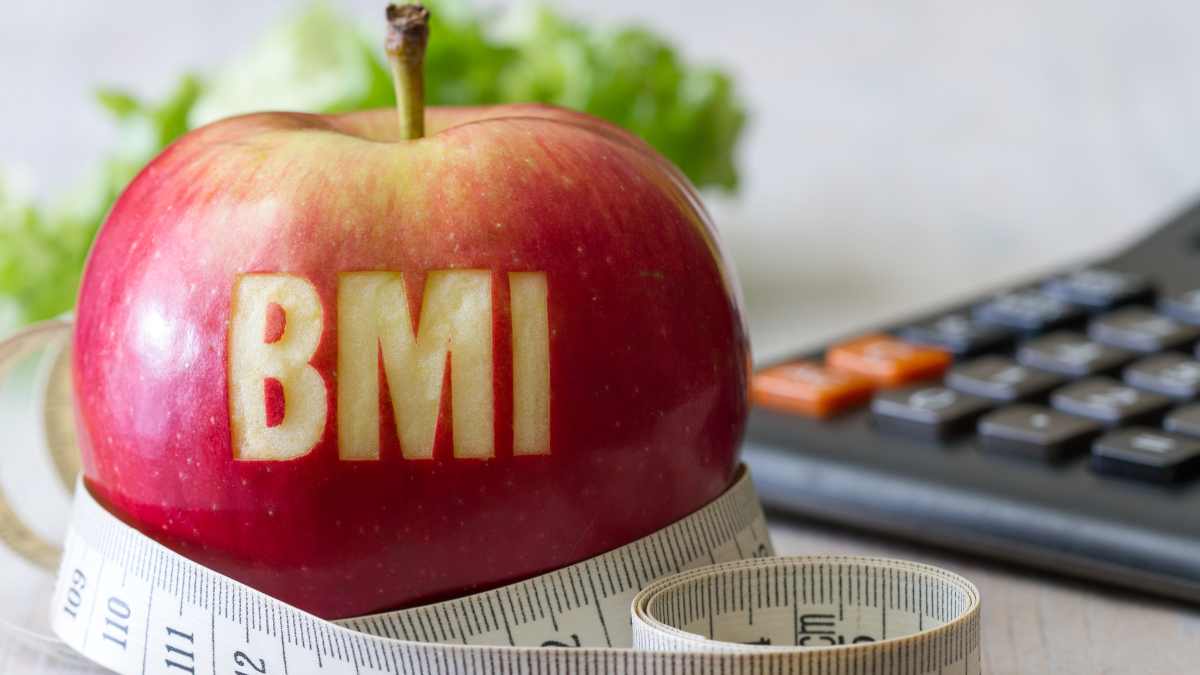
Body Mass Index (BMI) is a widely used metric for assessing weight relative to height. It is calculated by dividing a person’s weight in kilograms by the square of their height in meters. While BMI is a useful screening tool, it has its limitations, particularly for older adults. For instance, older individuals may have a higher BMI due to increased body fat and decreased muscle mass, which can lead to misclassification of their weight status.
Despite its limitations, BMI remains a valuable tool for identifying potential weight-related health issues. A BMI below 18.5 indicates underweight, which can pose health risks such as weakened immune function and increased susceptibility to illness. Conversely, a BMI above 24.9 indicates overweight or obesity, which is associated with a higher risk of chronic diseases, including heart disease, diabetes, and certain cancers.
To complement BMI, healthcare providers often assess waist circumference as an additional measure of body fat distribution. A waist circumference greater than 40 inches in men is considered a risk factor for metabolic syndrome, which can lead to serious health complications. This dual approach of using BMI alongside waist measurements provides a more comprehensive assessment of weight-related health risks.
Ultimately, while BMI is an important metric, it should not be the sole determinant of an individual’s health status. A thorough evaluation that includes lifestyle factors, dietary habits, and physical activity levels is essential for a complete understanding of an older adult’s weight and overall health.
Health Implications of Being Underweight or Overweight
Maintaining a healthy weight is crucial for overall health, particularly in older adults. Being underweight can lead to a variety of health issues, including weakened immune function, muscle loss, and increased risk of fractures. Older adults who are underweight may also experience nutritional deficiencies, which can exacerbate existing health conditions and lead to complications.
On the other hand, being overweight or obese poses significant health risks as well. Excess weight is linked to a higher incidence of chronic diseases, such as type 2 diabetes, hypertension, and cardiovascular disease. Additionally, obesity can lead to mobility issues, joint pain, and decreased quality of life. The psychological impact of being overweight can also affect mental health, leading to conditions such as depression and anxiety.
Moreover, weight-related health issues can create a cycle that is difficult to break. For example, an individual who is overweight may find it challenging to engage in physical activity due to joint pain or fatigue, leading to further weight gain. Conversely, those who are underweight may struggle to maintain energy levels, making it difficult to engage in social activities or exercise.
Addressing weight issues in older adults requires a comprehensive approach that includes medical evaluation, nutritional counseling, and support for physical activity. By understanding the health implications of being underweight or overweight, individuals can take proactive steps to achieve and maintain a healthy weight.
Nutritional Guidelines for Maintaining Healthy Weight
Nutrition plays a pivotal role in weight management, particularly for older adults. A balanced diet that includes a variety of food groups is essential for providing the necessary nutrients to maintain health. Older adults should focus on consuming whole foods, including fruits, vegetables, whole grains, lean proteins, and healthy fats. These foods not only provide essential nutrients but also help in maintaining a healthy weight.
Portion control is another critical aspect of nutrition for older adults. As metabolism slows with age, it is essential to adjust portion sizes to avoid excess calorie intake. Mindful eating practices, such as paying attention to hunger cues and eating slowly, can help individuals better manage their portions and prevent overeating.
Additionally, staying hydrated is crucial for overall health and can aid in weight management. Older adults often experience a reduced sense of thirst, which can lead to dehydration. Drinking adequate fluids, primarily water, can help support metabolic processes and reduce the likelihood of overeating, as thirst is sometimes mistaken for hunger.
Finally, it is essential for older adults to consider their specific nutritional needs. For instance, individuals with chronic conditions may require tailored dietary plans to manage their health effectively. Consulting with a registered dietitian can provide personalized guidance on nutrition and weight management strategies.
Strategies for Achieving and Sustaining Ideal Weight
Achieving and maintaining an ideal weight requires a multifaceted approach that includes lifestyle changes, physical activity, and ongoing support. Regular physical activity is crucial for weight management, as it helps burn calories and build muscle mass. Older adults should aim for at least 150 minutes of moderate-intensity aerobic activity each week, along with strength training exercises at least twice a week.
Incorporating enjoyable activities into a fitness routine can make exercise more sustainable. Whether it’s walking, swimming, or participating in group classes, finding activities that are enjoyable can help older adults stay motivated and engaged in their fitness journey. Social support from friends or family can also enhance accountability and encourage regular participation in physical activities.
Setting realistic and achievable goals is another vital strategy for weight management. Rather than focusing solely on a specific weight target, older adults should aim for gradual changes in lifestyle that promote overall health. This could include small adjustments to diet, such as increasing vegetable intake or reducing processed foods, and incorporating more physical activity into daily routines.
Lastly, regular monitoring of weight and health metrics can help individuals stay on track. Keeping a food diary, tracking physical activity, and scheduling regular check-ups with healthcare providers can provide valuable insights into progress and areas that may need adjustment. By adopting a proactive approach to weight management, older adults can achieve and sustain their ideal weight while enhancing their overall quality of life.
Conclusions:
In conclusion, determining the ideal weight for a 65-year-old man is a complex process that involves understanding various factors such as BMI, lifestyle choices, and health implications. By focusing on balanced nutrition, regular physical activity, and realistic goal-setting, older adults can effectively manage their weight and promote overall health. It is essential to approach weight management holistically, considering both physical and mental well-being. With the right strategies and support, older men can maintain a healthy weight and enjoy an active, fulfilling life.
Read more
-
Centers for Disease Control and Prevention (CDC) – Healthy Weight: This resource provides comprehensive information on maintaining a healthy weight, including BMI calculations and guidelines for physical activity.
-
National Institute on Aging – Healthy Eating: This article discusses the importance of nutrition for older adults and offers practical tips for healthy eating.
-
World Health Organization (WHO) – Obesity and Overweight: This fact sheet outlines the global epidemic of obesity and its health implications, providing valuable insights into weight management.
-
American Heart Association – Healthy Eating for Older Adults: This guide offers nutritional recommendations specifically tailored for older adults to maintain heart health and overall well-being.
-
Mayo Clinic – Weight Loss: 6 Strategies for Success: This article provides practical strategies for achieving and maintaining a healthy weight, focusing on sustainable lifestyle changes.