

Se hai un abbonamento attivo ACCEDI QUI
Introduction:
Achieving a significant reduction in body fat percentage, particularly from 25% to 10%, is a challenging yet attainable goal for many individuals. This journey requires a comprehensive understanding of body fat, realistic goal-setting, effective nutritional strategies, a dedicated exercise regimen, and consistent monitoring of progress. Moreover, overcoming plateaus is crucial to maintain momentum throughout this transformative process. This article outlines essential components for successfully navigating the path to lower body fat levels.
Understanding Body Fat: Key Concepts and Measurements
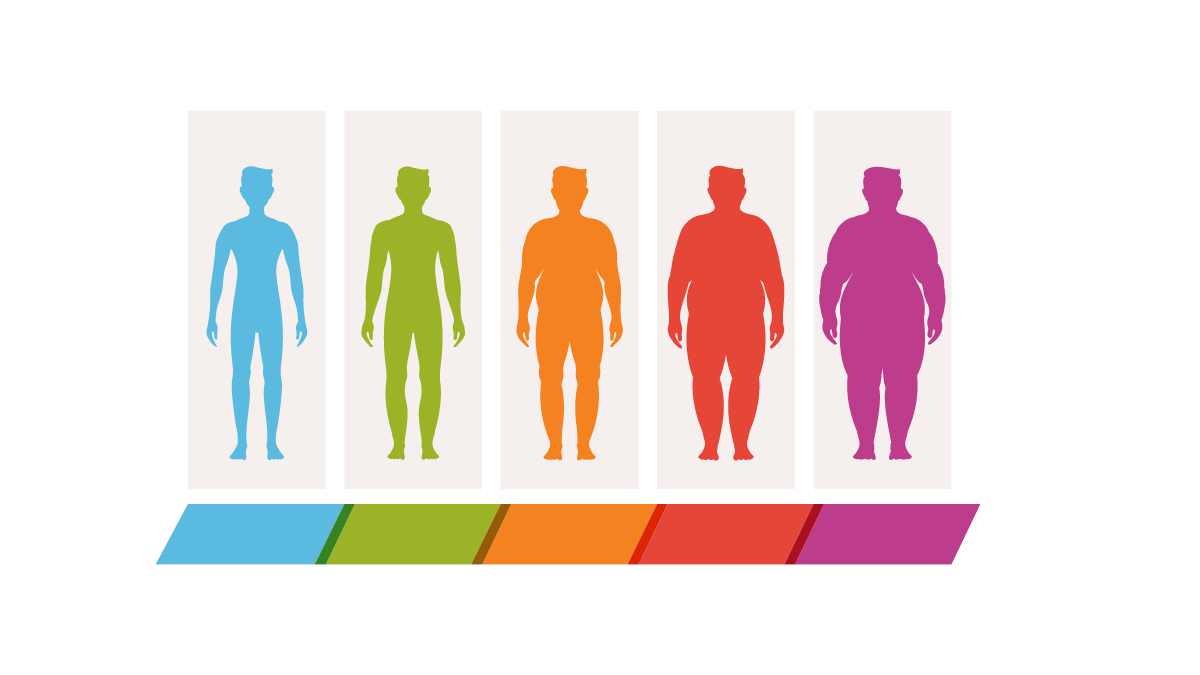
Body fat percentage is a crucial metric for assessing overall health and fitness. It represents the proportion of fat in relation to total body weight. Understanding the different types of body fat, such as subcutaneous fat (the fat beneath the skin) and visceral fat (the fat surrounding internal organs), is essential for determining health risks. Subcutaneous fat is generally less harmful, while visceral fat is linked to various metabolic diseases.
To measure body fat percentage accurately, various methods can be employed, including skinfold calipers, bioelectrical impedance analysis, and DEXA scans. Each method has its advantages and limitations, and selecting the appropriate one depends on individual circumstances and resources. Regular monitoring of body fat percentage can provide valuable feedback on the effectiveness of your fat loss strategies.
In addition to body fat percentage, other measurements such as waist circumference and body mass index (BMI) can offer insights into overall health. While BMI is a useful screening tool, it does not differentiate between muscle and fat, making body fat percentage a more reliable indicator of fitness. Understanding these concepts is fundamental to creating a targeted approach to fat loss.
Lastly, it’s important to recognize that body fat distribution varies among individuals due to genetic factors. This variation can influence how and where fat is lost during a weight loss journey. Emphasizing a holistic approach that considers individual differences can lead to more sustainable results.
Setting Realistic Goals: From 25% to 10% Body Fat
Setting realistic goals is crucial for maintaining motivation and ensuring long-term success. Aiming to reduce body fat from 25% to 10% is an ambitious target that should be approached gradually. A safe and sustainable rate of fat loss is typically around 0.5% to 1% of body fat per week. This means that reaching the goal may take several months, depending on individual circumstances.
When setting goals, it is beneficial to break them down into smaller, manageable milestones. For instance, focusing on reducing body fat by 2-3% at a time can make the overall objective feel less daunting. Celebrating these smaller achievements can enhance motivation and commitment to the process.
Additionally, it is essential to consider lifestyle factors that may impact progress. Factors such as stress, sleep quality, and overall health can significantly influence body composition changes. Incorporating strategies to improve these areas can enhance the likelihood of achieving fat loss goals.
Lastly, it is vital to remain flexible and adaptable in your approach. Life can present unforeseen challenges that may hinder progress, so being open to adjusting goals and strategies is crucial. This adaptability can help maintain motivation and prevent feelings of discouragement.
Nutritional Strategies: Macro and Micronutrient Balance
Nutrition plays a pivotal role in achieving fat loss goals. A well-balanced diet that focuses on macronutrients—proteins, carbohydrates, and fats—is essential for supporting metabolic processes and preserving muscle mass during weight loss. High-protein diets can be particularly effective, as they promote satiety and help maintain lean muscle tissue.
In addition to macronutrients, micronutrients—vitamins and minerals—are vital for overall health and well-being. A diet rich in fruits, vegetables, whole grains, and lean proteins can provide the necessary vitamins and minerals to support metabolic functions and energy levels. Micronutrient deficiencies can hinder fat loss efforts, making it essential to prioritize nutrient-dense foods.
Caloric intake is another critical factor to consider. To lose fat, a caloric deficit must be established, meaning that energy expenditure must exceed caloric intake. However, this deficit should be approached cautiously to avoid muscle loss and nutritional deficiencies. Tracking daily caloric intake and adjusting as needed can help maintain a healthy balance.
Lastly, hydration is often overlooked but is essential for optimal metabolic function. Drinking sufficient water can aid in digestion, improve exercise performance, and support overall health. Incorporating hydration strategies into your daily routine can enhance fat loss efforts and overall well-being.
Exercise Regimens: Effective Workouts for Fat Loss
An effective exercise regimen is crucial for achieving fat loss goals. A combination of cardiovascular exercise and strength training is often recommended for optimal results. Cardiovascular exercises, such as running, cycling, or swimming, can help burn calories and improve cardiovascular health. Incorporating high-intensity interval training (HIIT) can further enhance fat loss by increasing metabolic rate post-exercise.
Strength training is equally important, as it helps build and preserve lean muscle mass. Muscle tissue burns more calories at rest, contributing to a higher overall metabolic rate. Incorporating compound movements, such as squats, deadlifts, and bench presses, can maximize the effectiveness of strength training sessions.
Consistency is key when it comes to exercise. Developing a structured workout plan that includes a mix of cardiovascular and strength training exercises can help maintain motivation and ensure progress. Setting specific workout days and times can create a routine that becomes a natural part of your lifestyle.
Additionally, incorporating variety into your exercise regimen can prevent boredom and plateaus. Trying new activities, such as group classes or outdoor sports, can keep workouts engaging and enjoyable. This variety can also challenge different muscle groups, leading to improved overall fitness and fat loss.
Monitoring Progress: Tools and Techniques for Success
Monitoring progress is essential for staying on track and making necessary adjustments to your fat loss strategy. Utilizing tools such as fitness apps, wearable devices, and food diaries can provide valuable insights into daily activity levels, caloric intake, and overall progress. Regularly tracking body fat percentage and other measurements can help identify trends and areas for improvement.
In addition to quantitative measurements, qualitative assessments can provide valuable feedback. Keeping a journal to document feelings, energy levels, and workout experiences can help identify patterns and factors that contribute to success or setbacks. This reflective practice can enhance self-awareness and inform future strategies.
Setting regular check-in points, such as weekly or bi-weekly assessments, can help maintain accountability and motivation. During these check-ins, it is essential to evaluate not only physical progress but also mental and emotional well-being. Recognizing the importance of a holistic approach can lead to more sustainable results.
Lastly, seeking support from professionals, such as personal trainers or nutritionists, can provide additional guidance and accountability. These experts can offer tailored advice and strategies based on individual needs, enhancing the likelihood of success in achieving fat loss goals.
Overcoming Plateaus: Strategies to Maintain Momentum
Plateaus are a common occurrence during a fat loss journey and can be frustrating. Understanding that plateaus are a normal part of the process can help individuals maintain a positive mindset. When progress stalls, it is essential to assess current strategies and identify potential areas for adjustment.
One effective strategy for overcoming plateaus is to reassess caloric intake. As body weight decreases, caloric needs may also change. Adjusting caloric intake or increasing physical activity can help re-establish a caloric deficit and promote further fat loss. This may involve recalibrating macronutrient ratios or incorporating new exercises into the routine.
Incorporating variations in workout intensity and duration can also help break through plateaus. For instance, increasing the intensity of cardiovascular workouts or changing the rep range in strength training can challenge the body in new ways, promoting continued progress. Cross-training with different forms of exercise can also prevent stagnation.
Another effective approach is to focus on non-scale victories, such as improved energy levels, enhanced performance, or better-fitting clothes. Celebrating these achievements can help maintain motivation and reinforce the positive changes occurring, even if the scale does not reflect immediate progress.
Lastly, ensuring adequate recovery and rest is crucial for overcoming plateaus. Overtraining can lead to fatigue and hinder progress, so prioritizing rest days and incorporating recovery techniques, such as stretching or foam rolling, can support overall performance and well-being.
Conclusions:
Reducing body fat from 25% to 10% is a challenging yet achievable goal that requires a multifaceted approach. By understanding body fat, setting realistic goals, implementing effective nutritional strategies, engaging in a balanced exercise regimen, monitoring progress, and overcoming plateaus, individuals can navigate their fat loss journey successfully. With dedication and persistence, achieving a healthier body composition is within reach.
Read more
-
American Council on Exercise – Body Fat Percentage
- This article provides an in-depth look at body fat percentage, its significance, and various measurement techniques.
-
Nutrition.gov – Macronutrients
- A comprehensive resource on macronutrients, their roles, and how to balance them for optimal health.
-
Mayo Clinic – Exercise for Weight Loss
- This guide discusses the importance of exercise in weight loss and provides tips for creating an effective workout plan.
-
Healthline – How to Break a Weight Loss Plateau
- An informative article that outlines strategies for overcoming weight loss plateaus and maintaining progress.
-
National Institutes of Health – Healthy Weight
- A resource from the NIH that provides guidance on achieving and maintaining a healthy weight through lifestyle changes.