

Introduction:
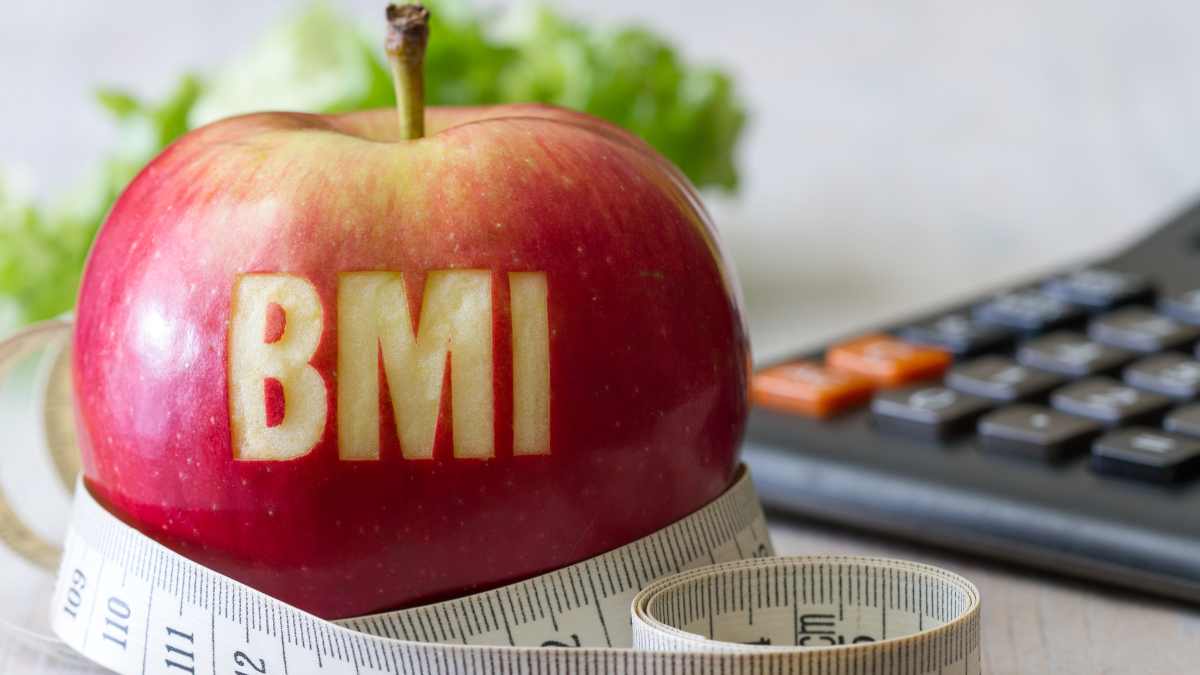
Body Mass Index (BMI) is a widely recognized metric that helps assess an individual’s body weight relative to their height. Understanding and managing your BMI is crucial for maintaining overall health and preventing chronic diseases. This article will guide you through the process of losing 10 BMI points, covering essential aspects such as understanding BMI, assessing your current status, setting realistic goals, nutrition strategies, exercise regimens, and monitoring your progress.
Understanding BMI: Definition and Importance in Health
Body Mass Index is a simple calculation used to categorize individuals into various weight categories, including underweight, normal weight, overweight, and obesity. It is calculated using the formula: weight in kilograms divided by height in meters squared (kg/m²). This metric is important because it provides a quick and easy way to assess whether an individual is at a healthy weight relative to their height.
The significance of BMI extends beyond mere numbers; it serves as a predictive tool for various health conditions. High BMI values are associated with an increased risk of chronic diseases such as type 2 diabetes, hypertension, and cardiovascular diseases. Conversely, a low BMI can indicate malnutrition or other health issues. Understanding your BMI can empower you to make informed decisions about your health and lifestyle.
However, while BMI is a useful screening tool, it has its limitations. It does not differentiate between fat and muscle mass, which means that highly muscular individuals may be classified as overweight or obese despite having low body fat. Therefore, it is essential to consider other factors, such as body composition and distribution of fat, when evaluating health risks.
In summary, BMI is a valuable indicator of health that can guide individuals in making lifestyle changes. By understanding its implications, you can take proactive steps to achieve a healthier weight and reduce the risk of associated health problems.
Assessing Your Current BMI: Calculation and Analysis
To begin your journey toward losing 10 BMI points, the first step is to assess your current BMI. You can easily calculate your BMI using the formula mentioned earlier. For example, if you weigh 80 kg and are 1.75 meters tall, your BMI would be calculated as follows: 80 / (1.75 * 1.75) = 26.12. This places you in the overweight category, indicating a need for lifestyle modifications.
Once you have calculated your BMI, it is essential to analyze the results in the context of your overall health. Consider factors such as age, gender, and muscle mass, as these can influence your health status. For instance, older adults may have different BMI considerations than younger individuals. Additionally, consult with healthcare professionals to interpret your BMI accurately and discuss any underlying health concerns.
Understanding where you currently stand is crucial for setting realistic goals. If your BMI is, for example, 30, aiming for a reduction of 10 points would mean targeting a BMI of 20. This significant change requires a comprehensive approach, including dietary adjustments and increased physical activity.
Finally, keep in mind that BMI is just one aspect of health. Regular check-ups and assessments of other health indicators, such as blood pressure and cholesterol levels, are equally important in understanding your overall health profile.
Setting Realistic Goals: Targeting a 10 BMI Point Reduction
Setting realistic goals is a critical component of any weight loss journey. Aiming to lose 10 BMI points is an ambitious target that requires dedication and a well-structured plan. Start by breaking down your goal into smaller, manageable milestones. For instance, if your current BMI is 30, consider aiming for a reduction of 1-2 BMI points per month. This gradual approach is not only more sustainable but also less overwhelming.
It is also essential to consider the timeframe for achieving your goal. A safe and effective rate of weight loss is typically 0.5 to 1 kg per week. Given that a BMI point corresponds to a specific weight range, you can estimate how much weight you need to lose to achieve your goal. For example, losing approximately 10 kg may reduce your BMI by about 1 point, depending on your height.
In addition to weight loss, focus on improving other aspects of your health, such as increasing your physical fitness and enhancing your dietary habits. This holistic approach will not only help you achieve your BMI goals but will also contribute to your overall well-being.
Lastly, remember to be patient and flexible. Weight loss is not always linear, and there may be periods of stagnation. Celebrate your achievements, no matter how small, and stay committed to your long-term health goals.
Nutrition Strategies: Diet Modifications for Effective Weight Loss
Nutrition plays a pivotal role in achieving weight loss and improving BMI. To lose 10 BMI points, consider adopting a balanced diet rich in whole foods. Focus on incorporating plenty of fruits, vegetables, lean proteins, and whole grains into your meals. These foods are nutrient-dense and can help you feel full while providing essential vitamins and minerals.
One effective strategy is to practice portion control. Being mindful of serving sizes can significantly impact your calorie intake. Use smaller plates and bowls to help control portions and avoid overeating. Additionally, consider keeping a food diary to track your eating habits and identify areas for improvement.
Reducing the intake of processed foods, sugary beverages, and high-calorie snacks is also crucial. These items often contain empty calories that do not contribute to satiety and can hinder your weight loss efforts. Instead, opt for healthier alternatives, such as nuts, yogurt, or fruit, to satisfy cravings.
Lastly, consider consulting a registered dietitian for personalized guidance. They can help you develop a tailored meal plan that aligns with your weight loss goals and dietary preferences, ensuring you receive adequate nutrition while working toward a healthier BMI.
Exercise Regimens: Developing a Sustainable Fitness Plan
Incorporating regular physical activity into your routine is essential for losing BMI points. Aim for a combination of aerobic exercises, strength training, and flexibility workouts to create a well-rounded fitness plan. Aerobic exercises, such as walking, jogging, cycling, or swimming, can help burn calories and improve cardiovascular health.
Strength training is equally important, as it helps build lean muscle mass, which can boost your metabolism and aid in weight loss. Aim for at least two days of strength training per week, focusing on all major muscle groups. Incorporating bodyweight exercises, resistance bands, or weights can enhance your strength training routine.
Flexibility exercises, such as yoga or stretching, can improve your overall fitness and prevent injuries. These activities also promote relaxation and can help manage stress, which is often a barrier to successful weight loss.
To develop a sustainable fitness plan, choose activities that you enjoy and can realistically incorporate into your lifestyle. Consistency is key, so find ways to make exercise enjoyable, whether it’s joining a group class, working out with a friend, or exploring new outdoor activities. Setting specific goals, such as running a certain distance or completing a fitness challenge, can also help keep you motivated and accountable.
Monitoring Progress: Tools and Techniques for Success
Monitoring your progress is vital for staying on track with your weight loss goals. Various tools can help you track your BMI changes, including mobile apps, fitness trackers, and traditional methods like keeping a journal. These tools can provide valuable insights into your eating habits, exercise routines, and overall progress.
Regularly measuring your weight and recalculating your BMI can help you assess your progress. However, it’s essential to remember that weight can fluctuate due to various factors, including water retention and muscle gain. Therefore, consider tracking other indicators of success, such as how your clothes fit, your energy levels, and improvements in physical fitness.
Setting up a support system can also enhance your chances of success. Share your goals with friends, family, or a support group, and consider finding a workout buddy. Having accountability can motivate you to stay committed to your plan and celebrate achievements together.
Lastly, be open to adjusting your strategies as needed. If you find that certain approaches are not yielding the desired results, don’t hesitate to reassess and modify your plan. Flexibility and adaptability are crucial components of a successful weight loss journey.
Conclusions:
Losing 10 BMI points is a challenging but achievable goal that requires a comprehensive approach involving nutrition, exercise, and consistent monitoring. By understanding your BMI, setting realistic goals, making dietary modifications, developing a sustainable fitness plan, and tracking your progress, you can effectively work toward a healthier weight. Remember that patience and perseverance are key, and celebrate your successes along the way.
Read more
Here are five reliable sources that provide additional information on BMI and weight loss strategies:
-
Centers for Disease Control and Prevention (CDC) – BMI: About BMI
This page provides a comprehensive overview of BMI, including how to calculate it and its significance in health. -
World Health Organization (WHO) – BMI Classification
The WHO offers detailed information on obesity and overweight, including BMI classifications and their health implications. -
Mayo Clinic – Weight Loss: 6 Strategies for Success
This article outlines effective strategies for weight loss, emphasizing the importance of a balanced diet and regular exercise. -
American Heart Association – Nutrition Basics
This resource discusses essential nutrition principles and provides tips for making healthier food choices. -
National Institutes of Health (NIH) – Physical Activity Guidelines
The NIH offers guidelines on physical activity, including recommendations for different age groups and fitness levels.